
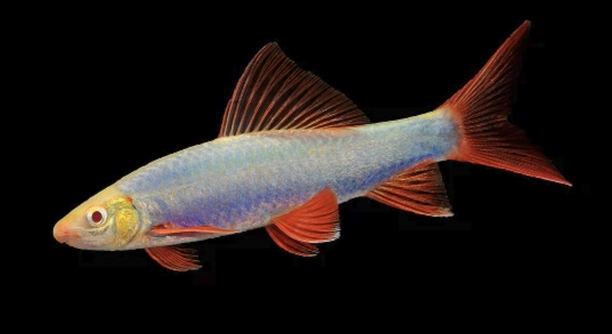
Is your rainbow shark acting more aggressive than usual or showing signs of stress in its tank? These changes can be concerning. Understanding the root causes of stress is key to helping your fish stay healthy and calm.
The most effective way to prevent stress in a rainbow shark is by creating a stable environment with proper tank size, hiding spots, and compatible tank mates. Consistent water quality, lighting, and feeding routines are also essential for their well-being.
Learning how to manage your shark’s environment can prevent future problems and support a more peaceful, vibrant aquarium.
Choose the Right Tank Setup
Rainbow sharks need space and structure. A tank that’s too small can make them feel trapped, which leads to stress and territorial behavior. A 55-gallon tank is ideal for one adult rainbow shark. Avoid placing them in smaller tanks, even if they are juveniles. Use a soft substrate, like sand, and include decorations that create natural barriers. These help break lines of sight and give the shark places to hide. Add caves or driftwood to provide shelter and reduce anxiety. Avoid sharp objects, as they may injure your shark when it’s startled or stressed.
Small tanks cause stress quickly. Without space to swim freely or establish territory, rainbow sharks become more aggressive and restless.
A larger tank not only gives your shark room to explore but also helps balance water quality. Fish waste and uneaten food break down more slowly in bigger tanks, making maintenance easier. A good filter system supports this balance by keeping ammonia, nitrites, and nitrates in check. Overcrowding should be avoided. Even peaceful tank mates can trigger aggression in confined spaces. Creating a layout with zones, hiding areas, and good water flow makes the environment feel secure. That sense of security plays a huge role in keeping your rainbow shark calm and stress-free.
Maintain Water Quality
Poor water quality is one of the biggest stress triggers for rainbow sharks. Ammonia spikes, inconsistent temperatures, or high nitrates can affect their health and behavior.
A weekly water change of 20–25% helps keep parameters stable and removes harmful waste buildup. Use a reliable water testing kit to monitor pH, ammonia, nitrite, and nitrate levels. The pH should stay between 6.5 and 7.5. Temperature should be steady—between 75°F and 81°F—with minimal fluctuations. Sudden shifts in temperature can cause stress and weaken your shark’s immune system. If your home’s climate varies, invest in a heater with a thermostat to maintain consistency. Chlorine and heavy metals from tap water should be neutralized with a water conditioner before adding new water. A high-quality filter with mechanical, chemical, and biological stages will also support long-term water stability. Clean the filter as needed but avoid removing all beneficial bacteria, which help process waste. Consistent water maintenance is essential for a stress-free tank.
Reduce Tank Aggression
Rainbow sharks are territorial and need space to feel secure. Housing more than one can lead to chasing and nipping. Choose tank mates carefully—avoid other bottom dwellers or fish with similar body shapes or colors to reduce tension and territorial behavior.
Adding hiding spots helps your shark feel less threatened. Use caves, rocks, or plants to create spaces where they can retreat. This lowers the chance of aggressive interactions, especially during feeding or rest. Avoid reflective surfaces like mirrors or bright backgrounds, as these can cause your shark to mistake its reflection for a rival. Keep tank decorations stable to prevent shifting or falling objects, which may trigger defensive behavior. A well-structured layout encourages calm movement and helps define territories. With the right setup and compatible tank mates, your rainbow shark is less likely to feel stressed or act out aggressively.
Sometimes aggression still appears despite precautions. If your shark becomes hostile, observe closely for patterns. It may act up more after feeding or when lights change. Feeding at consistent times and dimming lights gradually can reduce sudden triggers. If needed, use a tank divider to give your shark its own space. In extreme cases, consider housing it alone. Some rainbow sharks are simply more territorial than others and do best without tank mates. Each fish is different, so adjusting the environment based on behavior can make a big difference.
Feed a Balanced Diet
Poor nutrition can weaken your rainbow shark’s health and increase stress. A varied diet supports energy, color, and immune response. Avoid overfeeding, as excess food can rot and pollute the water.
Feed a mix of high-quality sinking pellets, occasional live or frozen foods, and algae wafers. Rainbow sharks are omnivores and benefit from both animal and plant-based options. Offer small portions twice a day, enough to be eaten in two minutes. Overfeeding can lead to bloating and dirty water, both of which cause stress. Remove uneaten food quickly to keep the tank clean. When introducing new foods, do it gradually. Sudden dietary changes may upset digestion. A well-balanced diet supports overall health and helps your rainbow shark stay active, vibrant, and calm.
Keep Lighting Consistent
Sudden changes in lighting can startle your rainbow shark and increase stress. Keep a regular light schedule using a timer if needed. Aim for 8 to 10 hours of light per day to support a stable routine.
Avoid placing the tank in direct sunlight or high-traffic areas. Sudden shadows or movement near the glass can make your shark feel unsafe. A consistent, calm environment encourages natural behavior and reduces fear-based reactions.
Monitor Behavior Closely
Watch for signs of stress like hiding more than usual, rapid swimming, loss of appetite, or dull color. These signals can point to water issues, tank mate problems, or environmental triggers. Act quickly to adjust conditions. Early intervention helps prevent more serious health problems. Small changes in behavior often reveal what your rainbow shark needs.
Limit Noise and Vibrations
Loud sounds and strong vibrations near the tank can cause ongoing stress. Place the aquarium away from speakers, slamming doors, or heavy foot traffic. A quieter space helps your rainbow shark feel secure and behave more naturally.
FAQ
How do I know if my rainbow shark is stressed?
Signs of stress in rainbow sharks include unusual hiding, loss of color, erratic swimming, reduced appetite, and increased aggression. A stressed shark might stay in one corner, dash around the tank suddenly, or act more territorial than normal. If you notice your shark avoiding food or breathing rapidly near the surface, this could be linked to poor water quality or sudden environmental changes. Pay attention to behavior patterns and take note of anything that has recently changed in the tank setup, water conditions, or feeding routine. Early signs often give you a chance to correct the problem quickly.
Can I keep more than one rainbow shark in the same tank?
Keeping more than one rainbow shark in a single tank is usually not recommended. They are territorial and often aggressive toward others of their kind. Even if they appear peaceful at first, conflict usually increases as they mature. Fights can lead to stress, injuries, and even death. If you decide to try keeping more than one, the tank should be at least 125 gallons with plenty of hiding places, divided territories, and visual barriers. Still, even under ideal conditions, it often doesn’t work out. For most setups, one rainbow shark per tank is the safest and most stress-free choice.
What kind of tank mates are safe for a rainbow shark?
Choose tank mates that are quick, peaceful, and swim in the upper levels of the tank. Good options include barbs, danios, rasboras, and rainbowfish. Avoid slow-moving or bottom-dwelling fish like cory catfish or plecos, as rainbow sharks may see them as a threat. Fish that look similar or share the same space are more likely to be targeted. Always observe your shark’s behavior with new fish. If aggression starts to increase, you may need to rehome one of them. Compatibility can depend on the individual shark’s temperament, so it’s important to monitor the tank closely after any changes.
How often should I feed my rainbow shark?
Feed your rainbow shark twice a day with small amounts they can eat in under two minutes. Their diet should include sinking pellets as a base, with added variety like blanched vegetables, frozen bloodworms, or brine shrimp once or twice a week. Avoid overfeeding, as leftover food will lower water quality and lead to stress. Watch your shark’s behavior after feeding—if food is left uneaten or the shark seems uninterested, this could be a sign of stress, illness, or poor water conditions. Stick to a routine to help your shark feel secure and reduce stress around feeding time.
Why is my rainbow shark hiding all the time?
Rainbow sharks often hide when they’re stressed, sick, or adjusting to a new environment. If your shark has just been added to a new tank, it may take time to feel comfortable. Long-term hiding, however, may point to issues like poor water quality, overly aggressive tank mates, or not enough hiding spots. Check all water parameters and observe other fish to rule out aggression. Make sure your tank setup includes several secure hiding areas. If the environment feels safe and consistent, your rainbow shark will likely become more active and confident over time.
Do rainbow sharks need a heater?
Yes, rainbow sharks need warm water with stable temperatures between 75°F and 81°F. If your home’s temperature drops or fluctuates, use an aquarium heater with a built-in thermostat. Sudden temperature changes can stress your shark and weaken its immune system. Always monitor the temperature with an accurate thermometer placed inside the tank. If you’re performing water changes, match the new water’s temperature to the tank to avoid shock. Stability is key—keeping the water within the preferred range helps your rainbow shark stay active, eat well, and maintain a healthy immune system.
Can stress make my rainbow shark sick?
Yes, stress lowers the immune system, making rainbow sharks more vulnerable to illness. Common stress-related diseases include fin rot, ich, and bacterial infections. A stressed shark may show symptoms like white spots, torn fins, sluggish movement, or clamped fins. Most diseases in aquarium fish are linked to poor conditions such as dirty water, unbalanced diet, or overcrowded tanks. Reducing stress through clean water, proper nutrition, and a calm tank environment can help prevent illness. If symptoms appear, isolate the fish if possible and treat the condition early. Long-term stress makes recovery more difficult and should be addressed right away.
Final Thoughts
Keeping a rainbow shark healthy and stress-free starts with the right environment. A spacious tank with stable water conditions, proper lighting, and compatible tank mates goes a long way. Rainbow sharks are active and territorial by nature, so creating a layout that allows for movement and personal space is important. They do not adjust well to sudden changes, so consistency in care is key. A well-planned tank setup with hiding spots, good water flow, and a calm surrounding space can reduce stress and support natural behavior. By understanding their needs early on, you can prevent many common problems.
Paying attention to small changes in your shark’s behavior is one of the best ways to catch stress early. Whether it’s hiding more than usual, eating less, or swimming differently, these signs can point to something that needs adjustment. Water testing, observation, and regular tank maintenance should become part of your routine. Feeding the right food in the right amount also makes a difference. Avoid overfeeding, and keep their diet varied to support energy and health. A balanced diet, just like clean water, plays a role in how your rainbow shark feels and behaves. These small habits help build a more stable tank.
Stress is common in aquarium fish, but it can be managed with good care and awareness. Rainbow sharks may be more sensitive than some other freshwater fish, but they are also rewarding to keep when their needs are met. You don’t need expensive tools or complicated routines—just a clear understanding of what makes your shark feel safe and healthy. Stick to the basics, respond to behavior changes early, and create an environment that supports their natural instincts. With the right setup and consistent care, your rainbow shark can live a long, calm, and active life in your aquarium.

Hello,
If you enjoy the content that we create, please consider saying a "Thank You!" by leaving a tip.
Every little bit helps us continue crafting quality advice that supports the health, happiness, and well-being of pets around the world, for pets of all shapes, sizes, and species.
We really appreciate the kindness and support that you show us!