
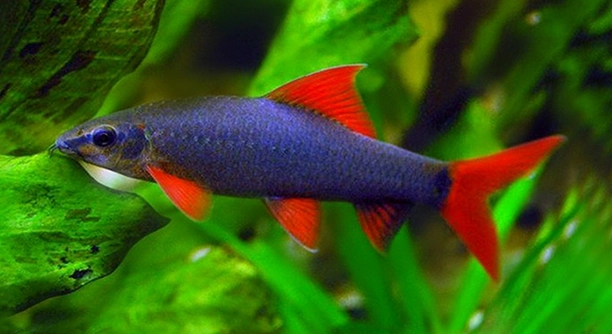
Are your rainbow sharks showing signs of stress or unusual behavior, and you’re unsure if it could lead to something serious? Keeping your tank clean and your fish healthy might take more than just the basics.
The best way to prevent diseases in rainbow shark tanks is by maintaining consistent water quality, avoiding overcrowding, and feeding a balanced diet. Regular tank maintenance and early detection of health issues also play a crucial role.
Understanding these tips can help reduce the risk of illness and create a safer, healthier space for your rainbow sharks to thrive.
Keep the Water Clean and Stable
Rainbow sharks are sensitive to water changes, and poor water quality can weaken their immune systems. It’s important to monitor ammonia, nitrite, and nitrate levels regularly. A reliable test kit makes this easier. Stick to a regular water change schedule, ideally 25% every week. Overfeeding adds waste, so feed only what your fish can eat in a couple of minutes. Use a good filter and clean it as directed. Avoid using harsh chemicals unless necessary. Instead, use conditioners that remove chlorine and chloramine from tap water. Keep the temperature between 75–80°F and avoid sudden changes. Stability is key.
Clean water does more than just look nice—it keeps harmful bacteria and parasites from building up and affecting your fish.
Once you build a habit of keeping the water clean and stable, it becomes easier to catch problems before they turn serious. This gives your rainbow sharks a better chance at staying healthy long-term.
Avoid Overcrowding the Tank
Rainbow sharks are territorial and do not like sharing tight spaces. A crowded tank can lead to stress and fights, increasing the risk of disease.
Choose a tank that holds at least 55 gallons if you’re keeping one rainbow shark. If you plan to add other fish, be careful with your choices. Peaceful bottom dwellers may cause conflict. Try to keep only one rainbow shark per tank to avoid aggression. Too many fish also produce more waste, making it harder to keep the water clean. The more crowded the tank, the more likely your fish will get stressed or injured. Injuries can become infected if not treated. It’s also harder to feed fish properly in a crowded tank, which may weaken some of them over time. Keep the space open and add hiding spots like rocks or driftwood. This helps reduce territorial behavior and gives each fish its own area to feel safe.
Quarantine New Fish Before Adding Them
New fish can carry parasites or bacteria even if they look healthy. Putting them directly into the tank puts your rainbow shark at risk. A short waiting period can prevent a lot of trouble later.
Keep new fish in a separate tank for at least two weeks. Watch for signs of illness like clamped fins, white spots, or strange swimming. Test the water in the quarantine tank just like your main one, and do regular water changes. If the new fish stays healthy during this time, it’s safer to move them to your main tank. This step may seem like extra work, but it’s worth it. Skipping quarantine has led many people to deal with sick fish and expensive treatments. Being patient protects the fish you already have and keeps your tank stable.
Using quarantine also lets you observe how new fish behave. If they seem aggressive or overly shy, you can rethink adding them. This helps you avoid stress in the main tank.
Feed a Balanced and Proper Diet
A poor diet weakens your rainbow shark’s immune system. Too much protein or low-quality food can lead to bloating, infections, or poor energy. A mix of vegetables and protein supports good health and natural behavior.
Feed a variety of food like sinking pellets, algae wafers, and blanched vegetables such as spinach or zucchini. You can add frozen foods like bloodworms or brine shrimp once or twice a week for extra protein. Avoid overfeeding—it’s better to feed small amounts once or twice a day. Uneaten food breaks down quickly and ruins water quality, creating more work for you. A proper diet also helps their color stay vibrant and their energy remain steady. Try to buy food from trusted brands that list their ingredients. Balanced nutrition is a daily way to prevent long-term issues and support overall tank health without needing extra treatments or medications.
Watch for Early Signs of Illness
Catching problems early gives your rainbow shark a better chance to recover. Look for signs like rubbing against objects, cloudy eyes, loss of appetite, or changes in swimming.
Behavior that seems unusual often means something’s off. Acting quickly can keep the issue from spreading to other fish in the tank.
Keep Stress Levels Low
Stress makes fish more likely to get sick. Loud noises, sudden movements, or too much light can cause fear. Use a consistent light schedule, avoid tapping the glass, and don’t move decorations too often. Give your rainbow shark places to hide, and keep tank conditions stable to help them feel secure.
Clean Equipment Regularly
Dirty tools can spread harmful bacteria or parasites. Rinse nets, buckets, and siphons with hot water after each use and let them air dry. Never share tools between tanks unless they’ve been cleaned properly.
How often should I change the water in my rainbow shark tank?
Water changes are important to keep the tank clean and healthy. A good rule is to change about 25% of the water every week. This helps remove waste and keeps nitrate levels low. If your tank is heavily stocked or shows signs of poor water quality, you may want to increase the frequency to twice a week. Always use a water conditioner to remove chlorine or chloramine from tap water before adding it to the tank. Keeping a steady schedule prevents sudden changes in water chemistry, which can stress your fish.
What are common diseases in rainbow sharks and how do I spot them?
Common diseases include Ich (white spot disease), fin rot, and bacterial infections. Ich shows up as tiny white spots on the body and fins. Fish may scratch against surfaces or breathe rapidly. Fin rot causes ragged or discolored fins, often with a fuzzy edge. Bacterial infections might show as red patches, ulcers, or swollen areas on the fish. Early signs include lethargy, loss of appetite, or unusual swimming patterns. Regular observation helps catch these issues early, making treatment more effective.
Can I keep rainbow sharks with other fish?
Yes, but choose tank mates carefully. Rainbow sharks are territorial, especially with bottom dwellers. Good companions include fast-swimming mid to top-level fish like barbs or danios. Avoid other bottom feeders or aggressive species that may fight. Provide plenty of hiding spots and enough space to reduce conflict. A tank of at least 55 gallons is recommended to give all fish room to establish territories and avoid stress.
How much should I feed my rainbow shark daily?
Feed small amounts once or twice daily—only what they can eat in 2–3 minutes. Overfeeding leads to water pollution and health issues. A balanced diet includes sinking pellets, algae wafers, and occasional frozen foods. Remove leftover food after feeding to keep the tank clean. Watch your fish’s body shape; if it looks bloated, reduce the feeding amount.
Is it necessary to quarantine new fish before adding them to my tank?
Yes, quarantining new fish for two weeks helps prevent introducing diseases or parasites. Keep them in a separate tank with good water quality. Watch for signs of illness like spots, swelling, or odd behavior. Treat any issues before adding the fish to your main tank. This extra step protects your rainbow sharks and keeps your tank healthy.
What temperature is best for rainbow sharks?
Rainbow sharks thrive between 75°F and 80°F (24°C–27°C). Keep the temperature steady with a reliable heater and avoid sudden fluctuations. Temperature swings stress fish and weaken their immune systems. Use a thermometer to monitor tank temperature regularly. Proper temperature supports good metabolism and reduces illness risk.
How do I treat common illnesses in rainbow sharks?
Treatment depends on the illness. For Ich, raising the water temperature slightly and using over-the-counter medications can help. Fin rot usually responds to antibacterial treatments and improved water quality. Always follow medication instructions carefully and remove activated carbon from your filter during treatment. Quarantine sick fish when possible to avoid spreading disease. Maintaining good tank conditions and nutrition supports faster recovery.
Can stress cause disease in rainbow sharks?
Yes, stress lowers immune function and makes fish more vulnerable. Causes include poor water quality, overcrowding, loud noises, sudden changes, and aggressive tank mates. Reducing stress means stable water parameters, proper tank size, hiding spots, and calm surroundings. Watching behavior closely helps catch stress early before it leads to illness.
What are signs that my rainbow shark is healthy?
A healthy rainbow shark is active, eats regularly, and swims smoothly. Its colors should be bright and clear. Fins should be intact and free of tears or spots. Eyes are clear, and the fish should not hide constantly or gasp at the surface. Consistent observation helps you notice changes quickly, so you can act before problems grow.
How do I prevent algae growth in the tank?
Algae growth is normal but can get out of control with excess light and nutrients. Control feeding amounts to reduce leftover food, and limit tank light to about 8–10 hours daily. Regular water changes remove nutrients algae feed on. Adding algae-eating fish or snails can help, but balance is key to avoid overpopulation. Proper tank maintenance keeps algae under control.
Taking care of rainbow sharks means paying close attention to their environment and daily needs. Clean, stable water is one of the most important factors in keeping them healthy. Regular water changes and proper filtration remove harmful substances and keep the tank balanced. Feeding the right amount of good food supports their immune systems and helps them stay strong. Overfeeding or poor-quality food can cause problems, so choosing the right diet is essential. Keeping stress low by avoiding overcrowding and providing hiding spots also plays a big role. A calm fish is a healthy fish.
Watching for early signs of illness can save your rainbow shark from serious health problems. Changes in behavior, appearance, or appetite often come before visible symptoms. By noticing these signs early, you can act quickly to treat any issues. Quarantining new fish before adding them to the main tank is another good way to protect your fish. This helps stop the spread of disease and keeps the tank safe for everyone. Using clean tools and avoiding cross-contamination between tanks also helps prevent illness.
By following simple steps like maintaining water quality, feeding well, reducing stress, and watching your fish closely, you give your rainbow sharks the best chance at a long, healthy life. These care practices may seem like a lot at first, but they become part of your routine over time. Small efforts each day add up to a thriving tank. Taking the time to care for your fish properly brings a peaceful and enjoyable experience. Your rainbow sharks will be happier, more colorful, and less likely to get sick.

Hello,
If you enjoy the content that we create, please consider saying a "Thank You!" by leaving a tip.
Every little bit helps us continue crafting quality advice that supports the health, happiness, and well-being of pets around the world, for pets of all shapes, sizes, and species.
We really appreciate the kindness and support that you show us!