
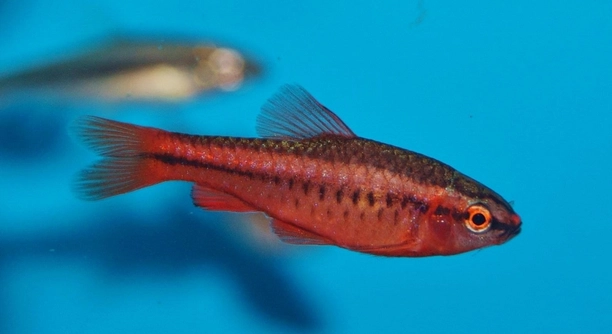
Cherry barbs are a popular fish species in aquariums, known for their vibrant color and peaceful nature. However, they are susceptible to egg fungus, which can harm their health and aquarium environment.
To prevent cherry barb egg fungus, maintain a clean tank with proper filtration and regular water changes. Ensure the water temperature is stable and avoid overcrowding. Quarantine new fish to prevent introducing harmful bacteria or fungi.
Taking the necessary precautions can greatly reduce the likelihood of egg fungus. We will explore further strategies to keep your cherry barbs healthy and free from infections.
Maintaining Clean Tank Conditions
A clean aquarium is crucial in preventing egg fungus in cherry barbs. Regular water changes help maintain optimal water quality, which in turn reduces the chances of harmful bacteria or fungi forming. Poor water conditions, such as high ammonia or nitrite levels, can stress your fish and lead to egg fungus outbreaks.
A good filtration system will help in keeping the water clean and free of debris. A filter that works efficiently will remove excess waste and unwanted chemicals. In addition, removing any uneaten food promptly will also reduce the buildup of organic matter that can contribute to fungal growth. Regular tank maintenance, such as cleaning decorations, substrate, and filters, will go a long way in supporting the overall health of your fish.
Healthy water quality is key to preventing diseases and fungi. Regularly monitor the water’s pH, ammonia, nitrite, and nitrate levels to keep the environment stable. By taking these steps, you’ll provide cherry barbs with a healthier, fungus-free home.
Proper Water Temperature
The temperature of the water is a significant factor in preventing egg fungus.
Cherry barbs thrive in temperatures between 74°F and 80°F. Consistent water temperature helps keep your fish healthy and can prevent fungal infections from taking hold. Avoid fluctuating temperatures as they can stress your fish, making them more vulnerable to diseases.
Quarantining New Fish
Quarantining new fish before adding them to the tank is essential to prevent introducing fungal spores. New fish might carry hidden infections that are not immediately visible. It’s recommended to keep them in a separate tank for about two weeks before introducing them to the main aquarium.
During this period, monitor the new fish for any signs of illness, such as lesions or unusual behavior. A separate quarantine tank allows you to observe them in a stress-free environment and provides time to treat any potential issues without risking the health of your established fish.
By quarantining new fish, you reduce the chances of contaminating your main tank. It’s an easy and effective practice to prevent the spread of unwanted bacteria or fungi, keeping your cherry barbs healthy and fungus-free. This step is simple but plays a major role in overall tank hygiene.
Reducing Overcrowding
Overcrowding can lead to higher stress levels in your fish, increasing their susceptibility to infections like egg fungus. Crowded conditions result in poor water quality, as fish waste builds up faster than it can be removed, creating an environment where fungi thrive.
Ensuring there is enough space for your fish will not only reduce stress but also improve their overall health. Keep an eye on the size of your tank and the number of fish you have. For cherry barbs, a tank of at least 20 gallons is recommended for a small group, with 5-6 barbs being the ideal number.
Having fewer fish in a well-maintained, spacious tank will make it easier to manage water quality. In turn, your cherry barbs will be healthier and less likely to suffer from fungal infections. A spacious, clean environment ensures your fish live comfortably, lowering the risk of egg fungus.
Using Fungus-Proof Additives
Fungus-proof additives, like antifungal medications, can be added to the tank to help prevent egg fungus from forming. These additives work by controlling fungal spores in the water and preventing them from attaching to eggs.
While these treatments can help, it’s important to use them as a preventive measure rather than a cure. Always follow the manufacturer’s instructions carefully to avoid overuse. Adding too much can harm your fish or disrupt the balance of the tank’s ecosystem.
Additives can be an effective tool, but maintaining a clean environment and healthy water conditions should remain your primary focus in preventing egg fungus.
Regular Tank Maintenance
Regular maintenance keeps the tank free from excess organic matter, reducing the chances of fungal growth. Clean the tank every week, paying special attention to filters, decorations, and substrate.
During tank maintenance, replace 20% of the water to keep the environment stable. This helps remove any accumulated waste and keeps your fish healthy.
FAQ
What causes egg fungus in cherry barbs?
Egg fungus in cherry barbs is usually caused by poor water quality, such as high levels of ammonia or nitrite. Infected eggs can also develop fungus when the water temperature fluctuates, or if the tank is overcrowded. Fungal spores in the environment can attach to the eggs and begin to grow if the conditions are right.
How do I know if my cherry barbs have egg fungus?
Egg fungus typically appears as white, cotton-like growths on the eggs. You may notice a fuzzy coating around the eggs, which signals the presence of fungus. If the eggs are not removed from the tank, the fungal infection can spread quickly. You might also notice your fish behaving unusually due to stress.
Can egg fungus spread to other fish?
Egg fungus itself doesn’t spread directly to the fish, but the underlying poor water conditions that cause egg fungus can affect the health of your fish. The fungal spores can also spread throughout the tank if not managed, leading to a higher risk of other infections for your fish.
Is egg fungus harmful to my cherry barbs?
While egg fungus does not typically harm adult cherry barbs directly, it can cause harm to the eggs and prevent them from hatching. The fungus uses the nutrients from the eggs, potentially killing the developing fry. Preventing the spread of egg fungus is crucial to maintaining a healthy breeding environment.
How can I prevent egg fungus from affecting my tank?
Preventing egg fungus involves maintaining a clean tank with proper filtration, stable water temperature, and regular water changes. Additionally, keeping the tank free from overcrowding and quarantining new fish can also help prevent the introduction of fungal spores. Using antifungal additives as a precaution can also help.
Should I remove eggs with fungus?
Yes, it’s a good idea to remove any eggs that show signs of fungus as soon as possible. Leaving them in the tank can allow the fungus to spread, potentially affecting healthy eggs or the overall tank environment. Remove the affected eggs gently and dispose of them properly.
Can I treat egg fungus in my tank?
Yes, egg fungus can be treated by removing the infected eggs and maintaining proper tank conditions. You can also use antifungal medications that are safe for aquarium use. Always follow the manufacturer’s directions to avoid harming the other inhabitants of the tank.
What temperature is ideal for preventing egg fungus?
Maintaining a stable water temperature between 74°F and 80°F is ideal for cherry barbs. This range helps to promote healthy breeding conditions while preventing fungal growth. Fluctuating temperatures can stress your fish and encourage the development of egg fungus. Keeping the temperature stable will keep the tank’s environment healthy.
Does egg fungus affect the health of my other fish?
While egg fungus doesn’t directly affect adult fish, the conditions that allow egg fungus to thrive, such as poor water quality and overcrowding, can stress your fish. Stress weakens their immune system, making them more vulnerable to other infections. Maintaining good water quality is crucial for your fish’s health.
Are there any natural remedies for egg fungus?
Some hobbyists use natural remedies like Indian almond leaves or garlic, which can help create a more fungal-resistant environment. Indian almond leaves release tannins into the water, which may help prevent fungal growth. However, the most effective way to prevent egg fungus is by maintaining good tank hygiene and water quality.
How often should I clean the tank to prevent egg fungus?
Cleaning the tank once a week is recommended to keep the environment healthy. During cleaning, remove any uneaten food, clean decorations, and change about 20% of the water. Regular maintenance ensures that water quality remains optimal and that fungal spores don’t have a chance to grow.
Can I prevent egg fungus by adding plants to my aquarium?
Adding plants can help improve water quality by absorbing excess nutrients, which can reduce the likelihood of fungal growth. However, plants alone are not a complete solution. A combination of clean tank practices, stable water parameters, and proper fish care is key to preventing egg fungus.
How long does it take for egg fungus to develop?
Egg fungus can develop within 24 to 48 hours after the eggs are laid, depending on water temperature and conditions. If the water quality is poor or temperatures fluctuate, the fungus can start to grow much faster. Regular tank maintenance can help slow the development of egg fungus.
Can I use chemical treatments for egg fungus prevention?
Yes, chemical antifungal treatments can help prevent and treat egg fungus. However, it’s important to use these treatments cautiously and follow the directions on the product label. Overuse of chemicals can harm your fish and other aquatic life, so they should only be used when necessary.
Are certain fish more likely to get egg fungus than others?
Cherry barbs, like many other fish, can develop egg fungus if the conditions in the tank are right. Fish that are stressed or living in poor water conditions are more prone to fungal infections. It’s important to keep all fish in a stable and clean environment to prevent such issues.
How can I prevent egg fungus if I’m breeding cherry barbs?
If you’re breeding cherry barbs, it’s essential to provide them with a clean tank and optimal water conditions. Use a separate breeding tank with proper filtration, temperature control, and frequent water changes. Remove eggs with signs of fungus immediately, and keep the tank free of debris and excess food.
Final Thoughts
Preventing egg fungus in cherry barbs is achievable with the right practices. The key factors to consider are maintaining good water quality, proper tank hygiene, and managing stress levels in your fish. Regular water changes, a stable water temperature, and appropriate tank size are all essential for creating an environment where fungal growth is less likely to occur. Keeping your tank free from excess waste and debris reduces the chances of egg fungus developing on the eggs.
By quarantining new fish and monitoring the health of your tank, you can catch potential issues before they affect your cherry barbs. Quarantine tanks provide a controlled space to observe new arrivals for any signs of disease or infection, including fungal spores. It’s also crucial to ensure your cherry barbs are not overcrowded. Too many fish in a confined space can lead to poor water quality, which is a prime factor for fungal growth. Keeping your fish stress-free and in appropriate numbers will support their overall health and decrease the likelihood of infections.
While it may be tempting to try various medications or treatments, the most effective approach is preventative care. Keeping your tank clean, providing a stable environment, and addressing issues as they arise can go a long way in reducing the occurrence of egg fungus. When you observe the first signs of fungus on the eggs, act quickly by removing the affected eggs and improving tank conditions. In doing so, you will help maintain a healthier aquarium and provide a better environment for your cherry barbs to thrive.

Hello,
If you enjoy the content that we create, please consider saying a "Thank You!" by leaving a tip.
Every little bit helps us continue crafting quality advice that supports the health, happiness, and well-being of pets around the world, for pets of all shapes, sizes, and species.
We really appreciate the kindness and support that you show us!