
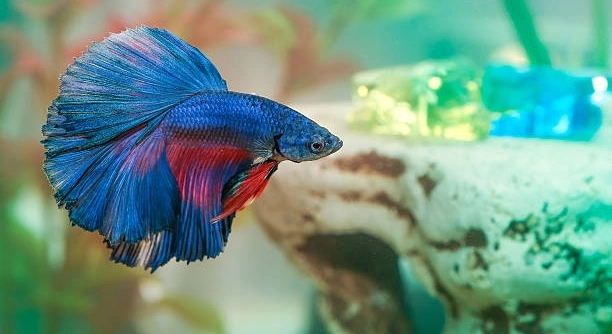
Betta fish are beautiful and popular pets, but like all animals, they can experience health issues. One common problem is constipation, which can cause discomfort and affect their overall well-being. Keeping your Betta healthy is key.
Constipation in Betta fish is often caused by overfeeding, improper diet, or lack of exercise. To prevent this, feed your Betta small portions of high-quality food, provide a balanced diet, and ensure they have enough space to swim and stay active.
By taking simple steps, you can keep your Betta fish happy and healthy. Learn more about effective strategies to prevent and manage constipation in your Betta fish.
1. Overfeeding: A Common Issue for Betta Fish
Overfeeding your Betta fish can quickly lead to constipation. Betta fish have small stomachs and can’t process large amounts of food at once. Giving them more food than they need will cause excess waste in their system, which can lead to digestive problems. It’s easy to get excited about feeding your Betta, but controlling portion size is essential. Generally, they should be fed small portions once or twice a day, depending on their age and size.
Small portions keep their digestive system working properly and help avoid overfeeding. Use your best judgment when determining how much to feed based on the size of your Betta. Overfeeding also leads to water quality problems, as leftover food will decompose, creating toxins that affect your fish’s health.
If you notice your Betta’s behavior changing, it could be a sign that they are consuming too much food. Adjusting their feeding routine can have a big impact on their health.
2. Poor Diet and Low-Quality Food
Low-quality food can worsen constipation in Betta fish. Poorly formulated fish food may lack necessary nutrients, making it harder for your Betta to digest properly. Stick to high-quality pellets or frozen foods that provide the right balance of protein and fiber for digestion.
A balanced diet supports your Betta’s overall health. Protein is crucial for muscle maintenance, while fiber promotes healthy digestion. Avoid feeding your Betta too many treats or processed foods, as they often lack nutritional value and may contribute to digestive issues.
3. Lack of Exercise and Space to Swim
Betta fish need space to move around. Without enough room to swim, they can become lethargic, which affects digestion. Betta fish are active swimmers, and they need a tank large enough for them to explore. A cramped tank can lead to constipation and other health issues.
Providing a larger tank, around 5 gallons or more, gives your Betta plenty of room to swim. This helps promote exercise, which aids in their digestion. If your Betta is in a small tank or bowl, consider upgrading. This simple change can make a big difference.
A well-maintained tank with proper filtration and space encourages activity. Your Betta will be happier and healthier, which can reduce the likelihood of constipation. Active Betta fish will naturally stay in better shape and have fewer digestive problems. Keep the environment stress-free to help your Betta thrive.
4. Using Frozen or Live Food in Moderation
Frozen or live food can be a great addition to your Betta’s diet. These foods offer variety and mimic their natural diet in the wild. However, too much live or frozen food can lead to constipation. Moderation is key.
Live or frozen food should be offered occasionally, not as a primary diet. While Betta fish love it, these foods are rich in nutrients and can be harder for their digestive system to break down. A balanced diet, including pellets, should remain their main source of food.
Frozen foods like bloodworms and daphnia provide extra protein but should be used sparingly. These foods can also be a bit rich, which is why you want to avoid feeding them every day. Instead, alternate between different types of food to keep their diet healthy.
5. Inadequate Water Temperature
Betta fish are tropical animals that require warm water to thrive. Water that is too cold can slow down their metabolism, leading to digestive problems and constipation. It’s crucial to keep the water temperature between 76°F and 82°F for optimal health.
Investing in a reliable aquarium heater helps maintain the right temperature. If the water dips below the recommended range, your Betta’s digestion will slow, causing food to stay in their system longer than it should. A stable, warm environment will promote better digestion and prevent constipation issues.
Consistently check the water temperature with a thermometer. Even slight temperature fluctuations can negatively impact your Betta’s health. Ensuring the water stays warm and stable is a simple but effective way to help prevent constipation.
6. Fasting to Clear Digestive Tract
Fasting is a helpful technique for clearing out any waste stuck in your Betta’s digestive system. It’s a simple way to address constipation without introducing any new food or treatment. Fasting for 24-48 hours can help reset their system.
Fasting allows your Betta to naturally clear any build-up in their intestines. This practice can be especially useful if you notice signs of constipation, such as bloating or a lack of interest in food. After the fasting period, offer your Betta a small, easily digestible meal to ease them back into their routine.
Make sure to monitor their behavior after fasting, ensuring that they remain active and healthy. While fasting can help resolve constipation, it should be used occasionally and not as a regular practice.
FAQ
What are the signs that my Betta fish is constipated?
A constipated Betta fish may display a few noticeable signs. They might appear lethargic, spending a lot of time near the bottom of the tank or hiding. Their abdomen may also become noticeably bloated, and they may have difficulty swimming or appear uncomfortable. Additionally, Betta fish might refuse to eat, or their feces could become stringy or absent altogether. If these signs appear, it’s important to address the issue promptly to prevent more severe health problems.
How can I prevent constipation in my Betta fish?
To prevent constipation, it’s essential to follow a balanced feeding schedule. Feed your Betta high-quality food in small amounts, ensuring it’s appropriate for their size and age. Additionally, providing a larger tank for exercise, maintaining proper water temperature, and avoiding overfeeding are all crucial steps. Incorporating occasional fasting into their routine and using varied diets will also help maintain their digestive health.
Can Betta fish get constipated from eating too much frozen food?
Yes, eating too much frozen food can lead to constipation in Betta fish. While frozen foods like bloodworms, daphnia, or brine shrimp can offer nutritional variety, they can also be rich and difficult for Betta fish to digest if given too often. Moderation is key. These foods should be given as an occasional treat rather than a daily staple. Stick to high-quality pellets or flakes as the primary diet for better digestion.
Is it okay to feed my Betta fish live food regularly?
Live food can be a great occasional treat, as it mimics their natural diet. However, feeding live food too frequently can lead to digestive issues, including constipation. Live food is often more difficult for Betta fish to digest than pellets or flakes, so it’s best used in moderation. Use live food once or twice a week, alternating with other food types for a well-rounded diet.
What should I do if my Betta fish refuses to eat?
If your Betta fish refuses to eat, it could be due to stress, an unsuitable environment, or constipation. Begin by checking water temperature, quality, and tank size. Make sure they are not overfed, as that could cause digestive problems. You might also want to fast your Betta for a day or two to see if their appetite returns. If the refusal to eat continues, consider adjusting their diet or consulting an aquarium specialist.
Can I treat my Betta fish’s constipation with medicine?
In some cases, you may need to treat Betta fish constipation with a special medicated food or remedy designed for digestive issues. However, it’s always best to address the problem through proper feeding, exercise, and water maintenance first. Medications should be a last resort, as they can disrupt the fish’s natural balance if used incorrectly. Consulting with an aquarium vet or specialist is recommended if you choose to go this route.
How long should I fast my Betta fish to help with constipation?
Fasting your Betta fish for 24 to 48 hours can help clear any constipation. During this period, avoid feeding them to allow their digestive system to reset. After the fasting period, offer a small meal of easily digestible food like daphnia or bloodworms. If constipation persists, a longer fasting period or additional treatments may be necessary.
Does water temperature affect my Betta fish’s digestion?
Yes, water temperature plays a significant role in Betta fish digestion. Betta fish are tropical creatures, and their metabolism depends on warm water. If the water temperature is too cold, it can slow down their digestive process, leading to constipation. Keep the water temperature between 76°F and 82°F to ensure that their digestive system functions properly. Using an aquarium heater can help maintain a stable temperature.
Should I give my Betta fish vegetables?
While Betta fish are primarily carnivores, giving them small amounts of vegetables can help with digestion. Vegetables such as peas are often recommended for treating constipation because they contain fiber, which can help clear the digestive tract. However, vegetables should be given sparingly and only as a supplement to their regular diet. Too much vegetable matter can cause digestive upset, so use it as an occasional treat.
Can a small tank cause constipation in Betta fish?
Yes, a small tank can contribute to constipation. Betta fish need enough space to swim and stay active. A cramped tank can limit their movement, resulting in digestive problems. A larger tank, ideally 5 gallons or more, promotes exercise and reduces the chances of constipation. Additionally, a larger tank will help maintain better water quality, which also supports digestive health.
Final Thoughts
Betta fish are relatively easy to care for, but like all pets, they require proper attention to ensure their health. Constipation is a common issue for Betta fish, but it’s usually manageable with the right care. The key to preventing constipation lies in maintaining a balanced diet, providing enough space to swim, and keeping the water conditions optimal. Small changes, such as offering varied food types or ensuring that your Betta has a tank large enough for exercise, can make a significant difference in preventing digestive problems.
Fasting can be a useful tool to help relieve constipation in Betta fish. By giving your Betta time to naturally clear its digestive system, you can help reset their internal processes. However, fasting should be used with caution, and it’s essential not to overdo it. Similarly, using frozen or live food should be done in moderation, as overfeeding with these can lead to digestive upset. Regularly checking the water temperature and ensuring that your Betta has a clean and spacious tank will also go a long way in preventing constipation.
Overall, Betta fish are hardy creatures when given proper care. A little attention to their diet, tank environment, and activity levels can keep them healthy and happy. While constipation may seem like a minor issue, it can escalate if not addressed. By being mindful of your Betta’s needs and responding to signs of constipation promptly, you can ensure your Betta continues to thrive. Regular monitoring of their health and maintaining a proper routine will help you catch problems early and maintain their well-being.

Hello,
If you enjoy the content that we create, please consider saying a "Thank You!" by leaving a tip.
Every little bit helps us continue crafting quality advice that supports the health, happiness, and well-being of pets around the world, for pets of all shapes, sizes, and species.
We really appreciate the kindness and support that you show us!