
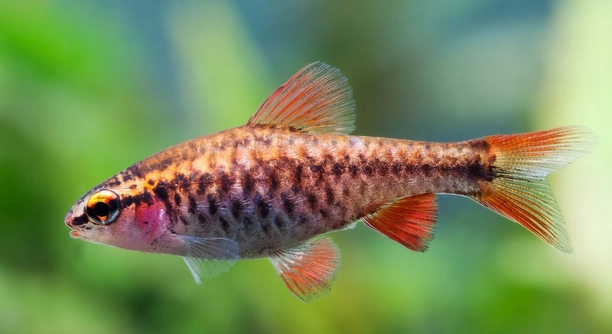
Are your barb tanks turning green faster than you’d like, even with regular cleaning and water changes? Managing a tank can be rewarding, but algae blooms can make it feel like an uphill battle.
The most effective way to prevent algae blooms in barb tanks is by maintaining stable water parameters, limiting excess nutrients, and ensuring proper lighting cycles. Consistent tank maintenance and responsible feeding also play a crucial role in algae control.
Learning how small changes in your daily routine can impact algae growth may help you keep your barb tank clean and healthy long-term.
Limit Light Exposure
Algae love light, and too much of it will encourage rapid growth in your barb tank. If your tank is near a window or gets more than 8–10 hours of artificial light daily, you might be giving algae an ideal environment to spread. Reduce light exposure by moving the tank away from direct sunlight and using a timer to control how long the aquarium lights stay on. Stick to a consistent schedule. Avoid leaving the lights on overnight. If you’re dealing with an outbreak, consider turning off the light completely for a day or two. This won’t harm your barbs but will help slow algae growth. Live plants can help too, as they compete with algae for light and nutrients. Choose low-light plants that match your tank’s setup. Algae don’t need much to thrive, so limiting just a little light can make a noticeable difference over time.
Controlling how much light your tank gets is a simple way to keep algae from spreading.
Reducing light won’t fix everything, but it’s a strong starting point. Many new tank keepers unknowingly leave lights on too long, which throws off the balance. Staying aware of how much light your tank gets every day can save you a lot of hassle.
Feed the Right Amount
Overfeeding is one of the biggest reasons algae bloom in barb tanks. Extra food that isn’t eaten breaks down in the water and releases nutrients algae feed on. It’s easy to give more than needed, especially if your barbs seem hungry. Only feed what they can finish in two to three minutes. If food sits at the bottom after feeding, you’re giving too much. Remove leftovers with a net or siphon to stop them from decaying. Feed your barbs once or twice daily, depending on their size and age. Stick to a routine, and try to be consistent. You can also fast your fish one day a week. This gives the tank time to process waste and helps avoid buildup. Controlling feeding helps your fish stay healthy and limits the nutrients available to algae. It’s a small change that leads to a cleaner tank.
Clean the Tank Regularly
Regular cleaning helps remove algae before it spreads. It also keeps waste and debris from building up, which can cause water quality problems. Use a gravel vacuum and clean your filter every few weeks. This keeps things balanced and makes the tank healthier for your barbs.
Start by doing small water changes every week—around 20 to 30 percent is enough. This helps remove excess nutrients without stressing your fish. Use a siphon to clean the gravel, where waste tends to settle. Clean the inside glass with an algae scraper or magnet cleaner. Avoid cleaning everything at once, especially the filter, to protect the good bacteria. Alternate between filter cleanings and gravel vacuuming. Don’t forget to rinse filter media in old tank water—not tap water—to keep beneficial bacteria alive. Regular maintenance doesn’t take long but can make a huge difference in keeping algae away.
Algae can grow quickly, so staying consistent is important. If you wait too long between cleanings, it’s harder to fix the issue. Once algae take hold, it can coat decorations, plants, and glass, making the tank look dirty and unbalanced. Weekly maintenance keeps things in check and helps your tank stay cleaner and clearer.
Maintain Stable Water Parameters
Stable water conditions make it harder for algae to grow. When levels of ammonia, nitrate, or phosphate rise, algae get what they need to spread. Keeping these levels low gives your barbs a better living space and helps prevent blooms. Always use a good test kit to monitor your water.
Start by testing your water weekly, especially if your tank is newer. Aim for zero ammonia and nitrites, and keep nitrates under 40 ppm. If your levels are high, increase water changes and check your filter. Overfeeding and poor filtration can throw off your balance. If your tap water contains phosphates, consider using phosphate removers or switching to reverse osmosis water. Don’t skip on checking the pH either—sudden changes stress your barbs and can trigger algae growth. Stick to gradual changes when adjusting anything in the tank. A stable, well-monitored tank will not only stay clearer but also support healthier fish.
Avoid Direct Sunlight
Placing your tank near a sunny window can cause algae to grow faster. Even a few hours of sunlight each day can make a big difference. Move your tank to a shaded area or use blackout curtains if needed.
Sunlight can create uneven lighting, making it harder to control algae. Even if the tank lights are on a timer, natural light adds more exposure. That extra light encourages algae to spread across the glass and decorations.
Use Live Plants
Live plants compete with algae for nutrients, helping keep it under control. They absorb nitrates and phosphates from the water, which reduces what algae need to grow. Choose hardy, fast-growing plants like hornwort, water sprite, or anubias. These plants thrive in barb tanks and need little maintenance. Keep them trimmed to encourage growth and prevent decay, which can add to waste in the water. The healthier your plants, the fewer resources are left for algae. Adding more plants over time builds balance in your tank and makes it look more natural and calm for your barbs.
Don’t Overcrowd the Tank
Too many fish create more waste than your filter can handle. That extra waste turns into nutrients that feed algae. Keep your stocking levels balanced to make sure the tank stays clean and healthy.
FAQ
Why is algae growing in my barb tank?
Algae growth is often caused by excess nutrients in the water, like nitrates and phosphates, which are typically introduced by overfeeding, poor water changes, or excess light. Algae thrive when these conditions aren’t managed, and they’ll grow quickly when given the chance. Regular cleaning, controlling light, and maintaining water parameters will help reduce these nutrients and slow down algae growth.
Can algae harm my barbs?
Algae itself isn’t usually harmful to your barbs, but it can create problems for the tank. Thick algae growth can reduce oxygen levels in the water, affecting your fish. It can also make the tank look unsightly and harder to manage. Some types of algae, like blue-green algae, can be toxic to fish if allowed to grow unchecked.
How often should I clean my barb tank to prevent algae blooms?
You should clean your tank at least once a week, doing partial water changes of 20-30%. Siphon the gravel, clean the filter every few weeks, and use an algae scraper on the glass. If algae blooms are particularly bad, you may need to clean more frequently to keep it under control.
How can I prevent algae blooms without chemicals?
Preventing algae blooms without chemicals comes down to managing light, feeding, and water conditions. Reduce the amount of light your tank receives, both artificial and natural, and avoid overfeeding your barbs. Maintain regular water changes and keep an eye on water parameters like nitrate and phosphate levels.
Are there fish that help control algae in barb tanks?
Yes, some fish are excellent at helping control algae. Fish like Siamese algae eaters, otocinclus catfish, and certain species of plecos feed on algae and can be beneficial in keeping your tank cleaner. However, they are not a substitute for good tank maintenance practices and should be considered as part of an overall algae prevention strategy.
What is the best lighting schedule for my barb tank?
Barb tanks do best with 8–10 hours of light per day. This is enough for your barbs and plants without giving algae too much time to thrive. Use a timer to ensure that the lights turn on and off at the same time each day, providing a consistent light cycle for your tank. Avoid leaving lights on overnight, as this can encourage algae growth.
Can too many plants cause algae in a barb tank?
While plants are generally beneficial, overcrowding the tank with too many plants can cause issues. If plants are allowed to decay or are not properly maintained, they can add excess nutrients to the water, which algae use to grow. Trim plants regularly and remove any dead or decaying leaves to prevent this.
How do I know if I’m overfeeding my barbs?
If there is leftover food in the tank after a few minutes, you are likely overfeeding. Barbs usually only need a small amount of food each day, about what they can eat in 2–3 minutes. Any extra food will break down and release nutrients into the water, which encourages algae growth. Adjust your feeding routine to ensure your barbs are getting the right amount.
How can I reduce algae without affecting my barbs?
One of the safest ways to reduce algae without harming your barbs is to adjust the tank’s light cycle. Keep light exposure to 8–10 hours a day and avoid leaving lights on at night. You can also use a water filter with phosphate-removal media or add live plants to help compete with algae for nutrients.
Is algae good for barbs in any way?
While algae does provide some benefits, such as adding food for fish in certain cases, too much algae is harmful. In small amounts, algae can be a natural part of a healthy tank ecosystem. However, if left uncontrolled, it can lead to poor water quality and oxygen depletion, which is detrimental to your barbs.
How do I get rid of stubborn algae once it’s already spread?
To remove stubborn algae, you can use an algae scraper or a magnetic glass cleaner to clean the glass. For hard-to-reach areas, use a sponge. Regular water changes and adjustments to your light exposure are also essential in managing algae. If the problem persists, consider adding algae-eating fish or snails to help reduce it naturally.
Can algae blooms happen even if I clean my tank regularly?
Yes, even with regular cleaning, algae can still bloom if other conditions aren’t managed. Overfeeding, high light exposure, or poor water quality can still trigger algae growth. Consistent cleaning is part of the solution, but controlling light, feeding, and nutrients is also crucial to preventing algae from taking over.
Should I use algae removal chemicals in my barb tank?
Using chemicals to remove algae should be a last resort. While some treatments can be effective, they often harm the tank’s overall balance, affecting both beneficial bacteria and your fish. It’s best to focus on prevention through light control, water changes, and maintaining proper tank conditions. If the algae problem is severe, try more natural solutions first before turning to chemicals.
How long does it take to see results after making changes to prevent algae blooms?
After adjusting water parameters, light exposure, and feeding habits, you should start to notice changes within a few days to a week. However, it may take longer to completely remove an existing algae problem, depending on how severe it is. Consistency is key, and continuing these practices will ensure that algae growth doesn’t return.
Final Thoughts
Managing algae in a barb tank doesn’t have to be overwhelming. With a few simple steps, you can prevent algae blooms from becoming a major issue. The most important factors to control are light, feeding habits, and water quality. By limiting light exposure, you’re already taking a big step in reducing algae growth. Remember, algae thrive on excess nutrients, so being mindful of how much you feed your barbs and regularly cleaning the tank will keep things in balance.
Consistency is key when it comes to tank maintenance. Regular water changes, controlling feeding, and monitoring water parameters are small tasks that can make a big difference. If you stay on top of these, you’ll notice fewer algae problems in the long run. Adding live plants to your tank also helps by naturally competing with algae for nutrients, and they’ll add beauty to your setup too. It’s about creating a balanced environment for your barbs, and over time, you’ll find that managing algae becomes easier.
Remember, it’s not about perfection but rather consistency. If you start to see algae bloom, don’t panic. Instead, reassess your tank’s lighting, feeding, and overall maintenance routine. A little patience goes a long way, and even stubborn algae can be managed with time and effort. As you get to know your tank and its needs better, algae control will feel more natural. By following these simple tips and making small adjustments, you’ll help create a healthier environment for both your fish and your tank.

Hello,
If you enjoy the content that we create, please consider saying a "Thank You!" by leaving a tip.
Every little bit helps us continue crafting quality advice that supports the health, happiness, and well-being of pets around the world, for pets of all shapes, sizes, and species.
We really appreciate the kindness and support that you show us!