
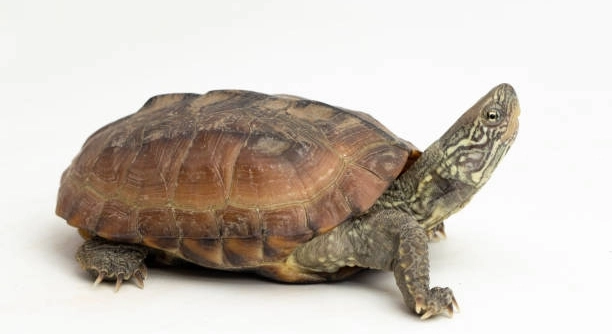
Musk turtles need special care during winter, as they hibernate to survive the cold months. Proper preparation ensures they stay safe and healthy during this time. With a few simple steps, you can help them through this period.
To prepare your musk turtles for winter hibernation, it’s essential to gradually decrease the water temperature, ensure they have a clean, dry space, and provide proper food. Hibernation requires conditions that mimic their natural environment.
These steps will help you ensure that your musk turtles experience a smooth hibernation. In the following sections, we will break down each tip for a successful winter experience.
Gradually Lower Water Temperature
As winter approaches, begin to lower your musk turtle’s water temperature gradually. This change helps them prepare for hibernation by mimicking the cooling effect of the environment. Slowly dropping the temperature over several weeks prevents stress and ensures they adapt comfortably. Avoid sudden temperature drops, as this can cause health problems for your turtle. Keep the water temperature between 50-60°F (10-15°C) for hibernation. This will encourage your turtle’s metabolism to slow down, signaling the start of their resting period.
Ensure that the water temperature doesn’t drop too quickly to avoid shocking your turtle. A reliable aquarium heater can help manage the temperature change. Regular monitoring is key.
It’s also important to make sure the turtle has a proper habitat to complement the drop in water temperature. Adding a dry space where they can rest is essential for their comfort. If you’re unsure, it’s always best to research or ask an expert about the specific needs of musk turtles during hibernation.
Clean Their Habitat
Before hibernation, clean your musk turtle’s enclosure thoroughly. Remove any uneaten food, waste, and debris from the tank. This ensures a clean and healthy environment for the turtle during its resting phase. Keeping the habitat clean helps prevent bacteria buildup that could affect their health.
In addition to the water changes, sanitize their basking areas and any hiding spots. Bacteria can accumulate quickly, and a thorough cleaning reduces the risk of infection. Make sure the area is dry and well-ventilated, as humidity levels may need adjusting during hibernation.
Cleaning the habitat doesn’t just help with their health, but it also provides a sense of comfort for the turtle. A clean environment helps them feel safe and secure during a vulnerable time. By making sure their surroundings are in good condition, you are giving your musk turtle the best chance at a successful winter.
Provide Proper Nutrition Before Hibernation
Before your turtle begins hibernation, make sure it has a proper diet. Feed it nutritious foods like leafy greens, small fish, or shrimp. This will help them build up the necessary energy reserves for the winter months. A healthy, well-fed turtle is more likely to have a smooth hibernation.
Avoid overfeeding your musk turtle right before hibernation. Excess food can cause problems with digestion, which may affect their ability to rest properly. Stick to feeding them regularly but in moderate amounts. Once their metabolism starts slowing down, you can reduce the frequency of feedings.
Once your turtle has been properly fed, monitor their behavior. You may notice a decrease in activity as they begin preparing for hibernation. This is normal, and it’s a good time to adjust their diet and environment accordingly. Keep track of their weight to ensure they are not losing too much mass before the colder months set in.
Create a Safe and Dry Hibernation Area
Ensure your musk turtle has a designated dry area where it can rest undisturbed. During hibernation, they will spend much of their time on land to avoid drowning in cold water. The dry area should be large enough for your turtle to stretch out, feel secure, and safely rest.
Make sure the area is sheltered from light and external distractions. This environment should feel natural, similar to the mud and leaf litter they would choose in the wild. Adding a few hiding spots like logs or rocks can help your turtle feel even more comfortable.
You don’t need to provide extra heat for the dry area unless your home gets very cold. Just ensure that the space is free of drafts and maintains a cool temperature, around 50°F (10°C). Keeping the dry area at the correct temperature is essential for their safe hibernation.
Monitor Water Quality
Maintaining clean water is crucial before your musk turtle begins hibernating. Regularly check the water quality to ensure it remains free of harmful toxins, such as ammonia or nitrates. High-quality water reduces the risk of infections during the colder months.
Use a reliable water testing kit to monitor the water’s pH, temperature, and clarity. Perform water changes to keep the habitat clean, especially in the weeks leading up to hibernation. Proper water quality is essential for preventing stress and illness, which can interfere with your turtle’s hibernation process.
Make sure the water quality is at its best just before your turtle starts to slow down for the winter. This way, they can enter hibernation in the healthiest state possible.
Keep Track of Their Activity
Pay attention to your turtle’s behavior as the temperature drops. Musk turtles typically become less active and may stop eating altogether as they prepare for hibernation. This decline in activity is a good indication that they are ready to rest.
If your turtle still shows signs of hunger or activity, monitor it closely. However, avoid forcing food on them if they’re not interested. When turtles enter their hibernation phase, they naturally decrease their activity, and it’s essential to let this process unfold at its own pace.
Avoid Sudden Environmental Changes
During hibernation, it’s important not to disturb your turtle’s environment. Avoid moving their tank or changing the water temperature abruptly. Sudden changes can stress your turtle and disrupt the hibernation process.
If you need to make any adjustments, do so gradually over time. Keeping their environment stable will ensure that your turtle hibernates peacefully and safely. If any changes are absolutely necessary, try to make them well in advance of their hibernation period.
FAQ
How long do musk turtles hibernate?
Musk turtles typically hibernate for about 2 to 4 months, depending on environmental conditions. The duration of hibernation can vary based on factors like temperature and the turtle’s health. Colder temperatures generally lead to a longer hibernation period, while warmer conditions can shorten it.
During this time, the turtle’s metabolism slows down significantly, which helps them survive without food. It’s important to monitor the water temperature and ensure that it remains within a safe range to prevent any issues during hibernation. As temperatures rise in the spring, your turtle will gradually wake up and become more active again.
Can I wake up my turtle during hibernation?
It’s best not to disturb your turtle while it’s hibernating. Waking them up could interfere with their natural cycle and stress them out. Musk turtles need this time to rest and conserve energy. Interrupting their sleep may cause them to use up valuable energy reserves.
If you do need to check on them, do so carefully without moving them around or changing their environment. Only intervene if you notice signs of distress or health issues. It’s important to allow your turtle to complete its hibernation cycle without unnecessary disruptions.
What should I do if my turtle isn’t eating before hibernation?
If your turtle isn’t eating before hibernation, it might be normal as their metabolism slows down. However, if this lasts too long or the turtle is showing signs of illness, it’s worth investigating further. Sometimes, turtles stop eating if the water temperature is too warm or if they’re stressed.
Make sure the water temperature is cooling down gradually, and check their environment for any factors that could be causing stress. If your turtle continues to refuse food, it might be helpful to consult with a vet to rule out any health issues.
How do I know if my turtle is ready for hibernation?
A musk turtle is generally ready for hibernation when it starts to slow down its activity. You might notice them becoming less interested in food and spending more time resting. Their metabolism naturally starts to slow as the water temperature drops, which is a key signal that they’re preparing for hibernation.
If your turtle is healthy, it will usually begin the hibernation process without much intervention. Keep an eye on its behavior and the water temperature to ensure it’s transitioning into hibernation smoothly. If you’re unsure, you can always seek advice from a reptile specialist.
Can I hibernate my turtle in a regular tank?
You can hibernate your musk turtle in a regular tank, as long as the conditions are right. Ensure that the tank has a proper dry area, clean water, and an appropriate temperature range. The most important factor is that the water should be cool but not freezing, and the space should be secure and undisturbed.
If you are unsure whether your tank meets these requirements, consider creating a separate hibernation space with cooler temperatures. This might help make the process smoother for your turtle. Make sure the tank has no filters or pumps running while they hibernate, as this could disrupt their resting phase.
How do I maintain the proper temperature for hibernation?
To maintain the proper temperature for your turtle’s hibernation, use a reliable thermometer to monitor the water temperature. The ideal range for musk turtles is around 50-60°F (10-15°C). You can use a tank heater to gradually lower the temperature over a few weeks before hibernation.
Make sure the water temperature doesn’t drop too quickly, as this could stress the turtle. Once the temperature is in the correct range, ensure that the turtle has a dry area to retreat to, as they may spend time both in water and on land during hibernation.
What if my turtle gets sick during hibernation?
If your turtle shows signs of illness during hibernation, such as unusual behavior or physical symptoms, it’s important to intervene. In many cases, sickness during hibernation is a sign of an underlying issue that needs attention.
You should contact a vet with experience in reptiles if you suspect your turtle is sick. Do not attempt to force-feed or alter the turtle’s environment drastically without consulting a professional. They will be able to guide you on the best course of action to ensure your turtle’s health and safety.
Is it necessary to hibernate my musk turtle?
Musk turtles do not require hibernation to survive, but it is a natural part of their life cycle. In the wild, they would hibernate to survive cold weather. If you’re keeping them in a controlled environment, hibernation is often beneficial for their health and overall well-being.
If you choose not to hibernate your turtle, ensure it remains in an appropriate environment with adequate food and care. However, hibernation helps turtles slow down their metabolism and conserve energy during colder months, which can mimic their natural habitat.
How can I ensure my turtle stays healthy during hibernation?
To ensure your turtle remains healthy during hibernation, keep the water temperature stable, provide clean water, and make sure the dry area is safe and free from stressors. Regularly monitor the turtle’s condition before, during, and after hibernation.
Feeding them a healthy diet before hibernation is also important for ensuring they have enough energy reserves. If you notice any signs of illness, consult a vet immediately. Make sure the hibernation process is gradual, as sudden temperature changes can cause stress.
Can I hibernate my turtle outdoors?
Hibernating a musk turtle outdoors can be tricky, especially if you live in an area where temperatures fluctuate. While some turtles hibernate in the wild in natural habitats, keeping a pet turtle outdoors for hibernation requires careful planning.
The outdoor conditions must be consistent, safe, and appropriate for the turtle’s needs. If you are considering this option, ensure that you can create a secure, insulated area that maintains a stable, cool temperature. If you’re not sure, it’s safer to hibernate them indoors where you can control their environment more easily.
Final Thoughts
Preparing your musk turtle for winter hibernation is an important task to ensure its health and safety. Taking the time to lower the water temperature, provide a clean environment, and offer proper nutrition helps your turtle successfully transition into its resting phase. These small but essential steps will give your turtle the best chance of thriving through the colder months. By understanding and respecting their natural hibernation process, you are helping them maintain their well-being.
Hibernation may seem like a simple process, but it requires careful monitoring. Keeping an eye on water quality, temperature, and your turtle’s behavior will help you spot any issues early on. It’s important to provide a dry space for them to rest and keep their environment stable. Making sure they have a secure, undisturbed place to hibernate is key for their comfort. Even though you may not see them much during this period, remember that it’s a natural phase of their life cycle.
Lastly, remember that not all turtles will need the same care. Each turtle has its own needs and preferences when it comes to hibernation. It’s essential to learn about your specific turtle’s requirements and adjust your approach accordingly. With proper preparation, your musk turtle will successfully rest through the winter, waking up healthy and ready for the warmer months ahead.

Hello,
If you enjoy the content that we create, please consider saying a "Thank You!" by leaving a tip.
Every little bit helps us continue crafting quality advice that supports the health, happiness, and well-being of pets around the world, for pets of all shapes, sizes, and species.
We really appreciate the kindness and support that you show us!