
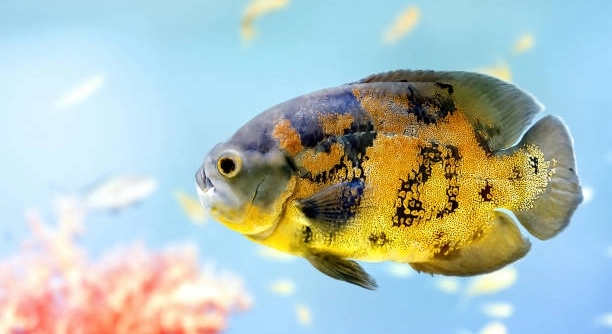
Oscar fish are fascinating creatures, known for their vibrant colors and unique personalities. Understanding their behavior can help improve the experience of keeping them as pets and ensure their well-being in an aquarium environment.
To predict Oscar fish behavior, it’s important to observe their body language, feeding patterns, tank conditions, and interactions with other fish. Knowing these cues will help you understand their mood and anticipate any changes in their behavior.
Mastering these tips can create a more harmonious environment for your Oscar fish. By understanding their signals, you’ll better meet their needs and enjoy a closer bond with your aquatic pet.
Understanding Oscar Fish Body Language
Oscar fish use their body language to communicate their feelings and intentions. They may display behaviors such as flaring their gills, opening their mouths wide, or swimming aggressively when they feel threatened or excited. A peaceful Oscar will often swim calmly and maintain a steady pace. However, if they feel disturbed or uncomfortable, they might hide in the corner or swim erratically. Paying attention to these signals is key in predicting their behavior.
Their body language can also indicate their health. If an Oscar is swimming sluggishly or rubbing against objects in the tank, it may signal a health issue. Monitoring their movements regularly will help you spot changes and act quickly if needed.
By understanding these nonverbal cues, you can anticipate their needs and make adjustments to their environment. A sudden change in behavior, like hiding more often, may mean something in the tank is off. Small changes, such as their swimming pattern or posture, will often give you an early warning.
Feeding Patterns and Behavior
Oscar fish are voracious eaters and their feeding habits are a good indicator of their well-being. A sudden change in how much or how eagerly they eat can hint at stress or health problems.
When Oscars are happy and comfortable, they tend to eat quickly and with enthusiasm. If they lose interest in food or begin to eat very slowly, it’s a sign that something might be wrong. They can be quite picky when it comes to food, too, so monitoring their preferences will help you keep them happy and healthy.
Fish tend to change their eating habits when they’re in new environments or when water quality is off. Oscars are no exception. If they seem disinterested in food, check your tank’s water parameters—things like pH levels and temperature can significantly impact their appetite. If you’re feeding them live food, try switching to frozen or pellet food to see if that sparks interest. Their feeding behavior is often one of the first things to change when something is bothering them.
Social Behavior and Tankmates
Oscar fish are territorial and tend to show a lot of aggression towards other tankmates, especially if they feel their space is being threatened. It’s important to note how they interact with other fish in the tank. If you notice excessive aggression, with one Oscar chasing or attacking another, it’s best to separate them or rearrange the tank to reduce territorial overlap.
Despite their reputation for aggression, Oscars can sometimes live peacefully with compatible species. Larger fish or species with similar temperament can coexist with Oscars, but they need ample space to minimize territorial disputes. Always keep an eye on their behavior, as it can change rapidly depending on tank conditions or stress.
As Oscar fish grow older, their aggression might increase, particularly if they feel their environment is becoming overcrowded. If you’re considering adding new fish, make sure to monitor interactions closely. Sometimes, changing the tank layout or adding plants can help diffuse tension and give each fish its own space.
Water Quality and Its Impact on Behavior
Oscar fish are highly sensitive to changes in water quality, and poor conditions can trigger significant behavioral changes. Monitoring the tank’s water parameters, such as pH, ammonia, and nitrate levels, is essential. Oscars tend to become stressed if the water is too dirty or improperly balanced.
A sudden drop in water quality will often cause Oscars to become more reclusive or aggressive. They may also display abnormal swimming patterns or show signs of distress like excessive scratching against objects. Regular water changes and a reliable filtration system are crucial for keeping the tank clean and the fish healthy.
Even small fluctuations in water temperature can affect Oscars, making them more sensitive to changes. If their environment feels unstable, they may become anxious or even stop eating. Keeping the water consistent and clean can help maintain their calm demeanor and improve overall health.
Tank Size and Space Requirements
Oscar fish need plenty of room to swim freely. A small tank can quickly lead to stress and territorial aggression. If you’re planning to keep more than one Oscar, a larger tank—at least 75 gallons—is essential.
Without enough space, Oscars will become more aggressive toward each other and other fish. They may also develop poor health due to the inability to swim freely. A spacious tank offers not only room to swim but also places to hide, which is especially important if the Oscars feel threatened. A good setup with hiding spots can keep them calm and reduce the stress of overcrowding.
Proper space allows Oscars to establish territories without constantly fighting for dominance. More room means less stress, leading to healthier, happier fish. Keeping the water clean and avoiding overstocking can go a long way in preventing aggression and other behavioral issues. A larger tank promotes overall well-being.
Stress and Environmental Factors
Oscar fish are sensitive to stress caused by changes in their environment. Shifting decorations, sudden loud noises, or frequent changes in water parameters can unsettle them, leading to aggression or hiding. It’s important to maintain a stable environment to keep them calm.
Oscars will often show signs of stress by hiding, swimming erratically, or displaying more aggression than usual. If their tank is in a high-traffic area or there are frequent disruptions, this may cause them distress. Keeping their space quiet and undisturbed as much as possible helps reduce stress-related behaviors.
Stress can also affect their health, leading to weakened immune systems or loss of appetite. To minimize stress, make sure their tank is placed in a calm, quiet area with minimal disturbances. Stability is key to their well-being.
Lighting and Its Effect on Oscars
Lighting plays a significant role in the behavior of Oscar fish. Too much light can stress them out, while too little light may affect their activity levels. Proper lighting helps regulate their natural rhythms.
Oscars, like many fish, benefit from a consistent light schedule. Too bright of a light can cause them to hide or become more aggressive. Conversely, too little light can leave them inactive, possibly affecting their health. A light schedule of 10-12 hours of light and 12-14 hours of darkness mimics natural day and night cycles.
Adjusting the light to a level that is neither too bright nor too dim helps keep Oscars active and comfortable. Additionally, using a tank cover to shield them from harsh direct light can prevent stress and allow for more natural behavior.
Proper Tank Decorations and Hiding Spots
Oscar fish appreciate having places to hide and explore within their tank. They are naturally curious but can become stressed if they feel exposed or have nowhere to retreat. Using rocks, plants, or other decorations creates a more comfortable environment.
Tank decorations should be carefully selected to ensure they are safe and provide enough cover for the Oscars. Avoid sharp objects that could injure them, and ensure there’s enough space between decorations for swimming. By adding caves or hiding spots, you create areas where Oscars can escape when they feel threatened, reducing overall stress.
FAQ
Why is my Oscar fish swimming erratically?
Oscars may swim erratically due to stress, poor water quality, or illness. If the tank’s conditions have changed—whether from temperature fluctuations, dirty water, or a new fish—Oscars can become anxious. Erratic swimming is often a sign they’re uncomfortable. Check the water parameters immediately to ensure they are stable and within the proper range. If the water quality is fine, observe for other signs of illness, like lack of appetite or strange behavior. Stress from overcrowding or territorial disputes can also cause erratic swimming, so ensure there’s enough space for all fish.
How can I tell if my Oscar fish is stressed?
Stress in Oscar fish is typically shown through behavioral changes like hiding, aggression, or loss of appetite. They may also display rapid gill movements or start rubbing against objects in the tank. If the fish becomes unusually still or spends too much time in one corner, this can be another sign of stress. Stress can come from various sources such as loud noises, sudden water changes, tank overcrowding, or incompatible tankmates. If your Oscar stops eating, it’s also an indication that something in the environment is bothering them.
What should I do if my Oscar fish is not eating?
If your Oscar isn’t eating, first check the water quality. Poor water conditions, such as high ammonia or low oxygen levels, can cause them to lose their appetite. It’s also essential to look for signs of illness like cloudy eyes or physical damage. Oscars may refuse food if stressed by overcrowding, new tankmates, or changes in their environment. Try offering a variety of food types, such as pellets, live food, or frozen options, to see if they respond better to one. If the problem persists, a visit to the vet or closer monitoring of the water may be needed.
Why is my Oscar fish biting other fish?
Oscar fish are territorial by nature, and they may bite or chase other fish if they feel their space is being invaded. If you have other fish in the tank, ensure that they are compatible in terms of size and temperament. Oscars are known to become aggressive, especially when they are stressed or hungry. Adding more hiding spots or rearranging the tank layout can help reduce aggression. Sometimes, aggression may be a sign that Oscars are not comfortable with the tank setup or water conditions, so ensure these are optimal.
Can I keep more than one Oscar fish in the same tank?
Yes, you can keep more than one Oscar in the same tank, but only if the tank is large enough. A minimum of a 75-gallon tank is recommended for two Oscars, as they need plenty of space to establish their own territories. However, keep in mind that Oscars can become very territorial and may not always get along, especially if the tank is too small or the fish are of different sizes. Introducing Oscars slowly and providing hiding spots can help reduce aggression. If aggression becomes too much, you may need to separate them.
How can I tell if my Oscar fish is sick?
Signs of illness in Oscar fish include abnormal swimming, loss of appetite, or visible lesions on their bodies. They might also have difficulty breathing or rub against objects in the tank. Cloudy eyes, torn fins, or a bloated abdomen can indicate different health issues. If you notice these symptoms, check the water quality to ensure that poor tank conditions aren’t contributing to the problem. If the fish continues to show signs of illness despite good water quality, consider consulting an aquarium specialist for advice or treatment options.
Why does my Oscar fish hide all the time?
Hiding is a natural behavior for Oscar fish, especially when they are feeling stressed or threatened. If your Oscar is hiding more than usual, it could be due to changes in the tank environment, such as new fish, rearranged decorations, or water quality issues. Oscars may also hide if they are not feeling well or if they are adjusting to a new tank. Make sure there are plenty of hiding spots available, but if your Oscar hides for prolonged periods, investigate water parameters and check for signs of stress or illness.
Is it normal for Oscar fish to be aggressive?
Yes, Oscar fish are known for being aggressive, especially towards other fish. They are territorial and will defend their space, often displaying aggression through chasing or biting. This behavior can be exacerbated if they feel crowded or threatened. Male Oscars tend to be more aggressive than females, particularly during breeding season. If your Oscar is aggressive, consider increasing the tank size, adding more hiding spots, or separating aggressive fish. Providing ample space and a proper tank setup can reduce territorial disputes and lessen aggressive behavior.
How often should I feed my Oscar fish?
Oscar fish should be fed once or twice a day, depending on their age and size. Young Oscars may require more frequent feeding due to their growth rate, while adult Oscars can be fed once a day. It’s essential not to overfeed them, as they are prone to obesity. Offer a variety of foods, including pellets, live food, and frozen options, to keep their diet balanced. Make sure to remove any uneaten food within a few minutes to maintain good water quality and prevent the tank from becoming dirty.
What is the ideal tank temperature for an Oscar fish?
Oscar fish thrive in water temperatures between 74°F and 81°F (23°C to 27°C). Maintaining a consistent temperature within this range is crucial for their health and well-being. Temperature fluctuations can lead to stress and make Oscars more susceptible to diseases. Use a reliable aquarium heater to maintain the desired temperature and regularly check the tank with a thermometer to ensure consistency. If the water gets too cold, Oscars may become sluggish or stop eating; if it gets too hot, they may become stressed and more aggressive.
Why does my Oscar fish have torn fins?
Torn fins are a common sign of aggression, either from other fish in the tank or from the Oscar itself. Oscars can be territorial and may bite or chase other fish, leading to fin damage. If your Oscar is being bullied by other tankmates, consider separating them or providing more hiding spots. Sometimes, torn fins can also be a sign of poor water quality, as a polluted environment can make fish more vulnerable to injury. Regular water changes and a tank free of sharp objects can help prevent fin damage and promote healing.
Final Thoughts
Caring for an Oscar fish involves more than just feeding them. These fish have unique behaviors and needs that require attention to detail. By understanding their body language, feeding patterns, and tank conditions, you can ensure they stay healthy and comfortable. Regularly checking water quality, providing enough space, and creating a calm environment are key factors in keeping them happy. Oscars thrive when their environment is stable, and their behavior reflects their comfort or stress levels.
It’s important to be patient and observant when keeping an Oscar. Sometimes, their behavior can change due to factors like stress, illness, or environmental changes. If you notice any signs of aggression or health issues, act quickly to resolve the problem. Adjusting the tank’s layout, adding new tankmates carefully, or improving the water quality can often make a significant difference in their behavior. Keep in mind that Oscars are territorial fish, so providing enough space is crucial to avoid unnecessary stress or aggression.
Ultimately, the goal is to create a tank that allows your Oscar to flourish. This means paying attention to their needs and being responsive to any signs of discomfort. By keeping their environment clean, offering a balanced diet, and monitoring their behavior, you’ll ensure that your Oscar remains a healthy and happy companion. As with any pet, consistency and care go a long way in building a strong bond and ensuring their long-term well-being.

Hello,
If you enjoy the content that we create, please consider saying a "Thank You!" by leaving a tip.
Every little bit helps us continue crafting quality advice that supports the health, happiness, and well-being of pets around the world, for pets of all shapes, sizes, and species.
We really appreciate the kindness and support that you show us!