
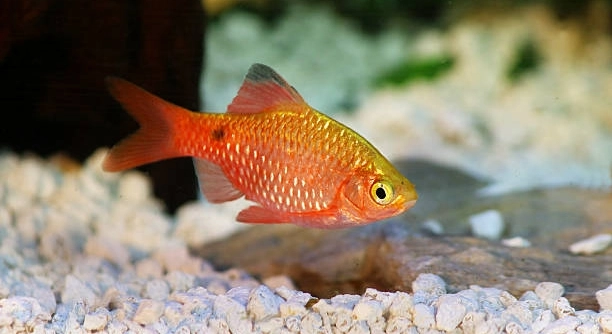
Rosy Barbs are colorful freshwater fish that many people enjoy keeping in aquariums. Photographing them can be both rewarding and challenging due to their quick movements and vibrant colors. This article offers practical advice to help capture their beauty clearly.
To photograph Rosy Barbs effectively, use a fast shutter speed to freeze motion and natural or soft lighting to enhance their colors without causing glare. A steady camera and a clean tank background improve image clarity and focus on the fish.
These tips will help you take clearer, more vibrant photos that truly showcase the charm of your Rosy Barbs.
Choose the Right Lighting
Good lighting is essential when photographing Rosy Barbs. Natural light is usually the best option because it brings out the fish’s true colors without harsh shadows. If natural light is not available, use soft artificial light to avoid reflections on the tank glass. Avoid using a camera flash, as it can startle the fish and create glare. Positioning your light source at an angle rather than directly in front of the tank helps reduce reflections and highlights the fish’s vibrant scales. Take time to experiment with different lighting setups until you find what works best for your aquarium. Keep the tank clean to allow light to pass through clearly. This will make your photos brighter and more detailed, showing off the Rosy Barbs’ natural beauty.
Soft, indirect lighting often produces the most pleasing photos with true-to-life colors and minimal glare.
Proper lighting improves photo quality and highlights details in your Rosy Barbs’ colors and movements, making every shot worth taking.
Use a Fast Shutter Speed
Using a fast shutter speed is important because Rosy Barbs move quickly. A slow shutter speed will cause your images to be blurry. Set your camera to at least 1/250th of a second or faster to freeze their motion clearly. If you use a smartphone, try to find the “sports” or “action” mode to capture fast movements. You can also increase the ISO to help the camera capture more light quickly, but be careful not to raise it too much, or the photo may become grainy. A tripod or steady surface helps reduce any camera shake. Taking multiple shots in burst mode increases your chances of getting a clear image. Patience is key since the fish don’t always swim where you want them to, but fast shutter speeds give you the best chance to capture sharp photos.
Fast shutter speed stops motion blur and keeps your photos sharp even when the fish swim quickly.
Mastering shutter speed makes capturing clear and detailed Rosy Barbs photos easier, helping you preserve their lively nature.
Keep the Aquarium Clean
A clean aquarium makes a huge difference in your photos. Dirt, algae, and water spots on the glass can blur the image or cause unwanted reflections. Regular cleaning ensures clear visibility of your Rosy Barbs and helps the camera focus better.
Maintaining a clean tank means wiping the glass inside and outside regularly. Use a soft cloth or sponge to avoid scratches. Change the water often to keep it clear and healthy for the fish. Clean water also reduces floating particles that might ruin your shot. When the tank looks clear, your photos will be sharper and more vibrant, showing off the fish’s colors without distractions.
Besides the glass, clean decorations and plants to prevent buildup that can distract from your subject. A well-kept tank creates a pleasing background and lets the Rosy Barbs stand out naturally.
Use a Simple Background
A plain or simple background helps your Rosy Barbs become the focus of the photo. Busy or cluttered backgrounds can distract from the fish’s colors and movements. Try to arrange the tank so the background is free of bright objects or too many decorations.
If possible, place a solid-colored backdrop behind the aquarium. Light blues or greens work well because they complement the Rosy Barbs’ hues. You can use paper or fabric to cover any busy areas. Avoid reflections of room objects on the glass by controlling the light around the tank. Keeping the background simple directs the viewer’s attention straight to the fish and makes the colors appear stronger and more natural. This approach makes your photos cleaner and more professional-looking without extra editing.
Be Patient and Observe
Patience is key when photographing Rosy Barbs. They move quickly and unpredictably, so waiting for the right moment is important. Watching their behavior helps you anticipate where they will swim next, increasing your chances of a good shot.
Taking your time lets you avoid rushing and blurry photos. Quiet movements around the tank keep the fish calm and more likely to stay visible.
Use Manual Focus
Manual focus gives better control when photographing through glass. Autofocus can struggle with reflections or moving fish. Adjusting focus manually helps you keep the fish sharp, especially when they swim near the glass.
Practice turning the focus ring slowly to find the best sharpness. This method is particularly useful when using a macro or zoom lens.
Experiment with Angles
Trying different angles can add interest to your photos. Shooting from eye level or slightly below often works well to show the fish’s shape and colors. Avoid always shooting from above, which can flatten the image and hide details.
Changing perspective gives a fresh view of your Rosy Barbs and helps capture their personality better.
Use a Tripod
A tripod stabilizes your camera and reduces blur from hand movements. It is especially helpful in low light or when using slower shutter speeds. Using a tripod ensures sharper images and allows you to focus fully on composition and timing.
FAQ
What camera settings work best for photographing Rosy Barbs?
Using a fast shutter speed of 1/250th second or faster helps freeze the fish’s quick movements. Set your aperture around f/5.6 to f/8 for a good balance of depth of field and sharpness. Increasing ISO can help in low light but avoid very high ISO to prevent grainy images. If your camera allows, shoot in continuous or burst mode to capture multiple frames quickly and improve your chances of getting a clear shot. Using manual focus often yields better results through aquarium glass.
How can I reduce reflections on the aquarium glass?
Positioning your camera lens as close to the glass as possible reduces reflections. Avoid shooting at an angle that catches room lights or windows. Using a lens hood or placing a dark cloth around the lens can help block stray light. Shooting when room lights are off and only the aquarium light is on reduces glare. Cleaning the glass inside and out is also important since dirt and smudges can increase visible reflections.
Should I use flash when photographing fish in an aquarium?
It’s better to avoid using a direct camera flash because it causes harsh reflections and can scare the fish. Instead, rely on natural or soft artificial lighting positioned at an angle. If extra light is needed, use an external light source outside the tank or continuous LED lights placed carefully to brighten the scene without glare.
What is the best time to photograph Rosy Barbs?
Photographing during the daytime with natural light is usually best. Morning or late afternoon light tends to be softer and warmer, enhancing the fish’s colors. If your aquarium is indoors without natural light, set up consistent artificial lighting that mimics daylight. Fish are more active at certain times, so observing their behavior can help you catch them when they’re swimming near the front glass.
How do I keep my Rosy Barbs calm during a photo session?
Avoid sudden movements or loud noises near the tank. Speak softly if needed and move slowly to prevent startling them. Feeding the fish before shooting can help them stay near the glass, increasing your chance to capture clear photos. Keeping the tank environment stable and stress-free also helps the fish appear natural and relaxed in photos.
What lens should I use for aquarium photography?
A macro or zoom lens works well for photographing Rosy Barbs. Macro lenses allow close-up shots showing details like scales and fins, while zoom lenses help capture fish that stay farther from the glass. A lens with image stabilization can reduce blur from hand movements. On smartphones, using a clip-on macro lens or zoom function improves image quality when shooting fish.
How do I focus on a moving fish?
Using manual focus can give more control since autofocus might struggle with reflections and quick movements. If your camera has tracking autofocus, use it to lock focus on the fish as it moves. Taking many shots in burst mode increases the chance of getting one in perfect focus. Watching the fish and anticipating their path helps you prepare the focus in advance.
Can I edit my aquarium photos afterward?
Yes, editing helps improve color balance, contrast, and sharpness. Cropping can remove distractions and improve composition. Be careful not to over-edit, which can make the photo look unnatural. Adjusting brightness and removing small spots or glare can enhance the final image without changing the true appearance of your Rosy Barbs.
Is it better to photograph fish in groups or alone?
Both options work well depending on your goal. Group shots show social behavior and add interest, but can be harder to keep all fish in focus. Photographing a single fish allows more detail and focus on its unique colors and features. Trying both approaches gives variety to your photos and highlights different qualities of your Rosy Barbs.
How do I handle low light conditions in my aquarium?
Increase the camera’s ISO carefully to brighten images without adding too much noise. Use a tripod or stable surface to avoid blur when using slower shutter speeds. Adding more aquarium lighting or external continuous lights helps improve brightness. Shooting in RAW format preserves more detail, allowing better adjustments during editing.
These answers cover common concerns and practical tips for photographing Rosy Barbs, helping you take better photos with less frustration and more success.
Final Thoughts
Photographing Rosy Barbs can be a rewarding experience when you focus on the basics. Clear, sharp images come from using proper lighting, a fast shutter speed, and keeping the aquarium clean. These simple steps help show the natural colors and lively movements of the fish. Taking the time to observe their behavior also makes it easier to capture good moments. With patience and practice, your photos will improve steadily. Remember that good photos don’t happen instantly, so keep trying without feeling rushed.
Choosing the right equipment and settings is also important. A camera with manual focus and fast shutter speed helps you handle the fish’s quick movements. Using a tripod can keep your camera steady and reduce blurry shots. Simple backgrounds make your Rosy Barbs the focus of each image, while avoiding reflections keeps the pictures clear. Small changes like cleaning the glass or adjusting your light source can have a big impact. These technical details, combined with a calm approach around the tank, make photographing your fish much easier.
Finally, enjoy the process and don’t worry about perfection. Every photo you take is a chance to learn more about your camera and your fish. Editing can help enhance your pictures, but capturing a good shot in-camera should be the main goal. Keeping the aquarium healthy and the fish comfortable will also lead to better results. Over time, you will develop your own style and techniques that work best for you and your Rosy Barbs. Taking photos is not just about the final image but also about appreciating the beauty of these colorful fish as you capture them.

Hello,
If you enjoy the content that we create, please consider saying a "Thank You!" by leaving a tip.
Every little bit helps us continue crafting quality advice that supports the health, happiness, and well-being of pets around the world, for pets of all shapes, sizes, and species.
We really appreciate the kindness and support that you show us!