
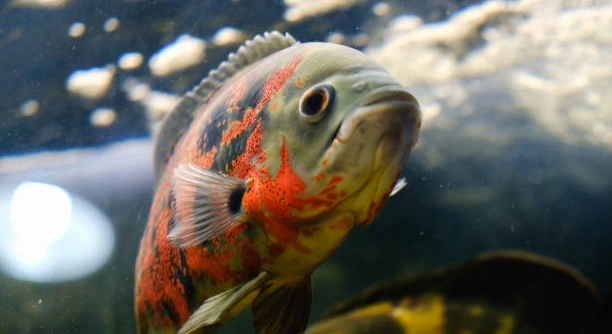
Oscar fish are a popular choice for aquarium enthusiasts due to their vibrant colors and interesting personalities. However, they require special care to thrive in a tank. Proper maintenance is essential to keep them healthy.
To ensure the long-term well-being of your Oscar fish, consistent tank maintenance is key. Regular water changes, monitoring water quality, and maintaining a proper filtration system can help keep the environment stable and prevent disease.
By following these maintenance tips, you’ll create a better environment for your Oscar fish to live in. This ensures both their health and happiness. Let’s look at the steps you can take to provide the best care for your tank.
Regular Water Changes
Keeping the water clean is the most important step in maintaining a healthy environment for your Oscar fish. The water quality affects not only their health but also their behavior. Oscars are large, messy fish, so they produce a lot of waste. This waste can lead to toxic levels of ammonia, nitrites, and nitrates in the tank. Regular water changes help prevent this buildup. Aim for a 25-30% water change every week. If you have multiple Oscars, consider increasing the frequency to keep their tank clean and safe.
A good rule of thumb is to use a siphon to remove debris from the gravel while changing the water. This prevents leftover food and waste from accumulating, which can lead to water quality issues. Always make sure to treat tap water with a water conditioner to remove harmful chemicals like chlorine and chloramine.
Oscar fish are sensitive to water changes, so make sure the new water matches the temperature and pH of the tank. Rapid changes can stress them out, potentially leading to illness. By maintaining a steady and clean environment, your fish will thrive.
Proper Filtration
Filtration is another crucial aspect of Oscar tank maintenance. A strong filter will help keep the water clean and clear by removing debris and harmful substances. Oscars produce a significant amount of waste, so an underpowered filter won’t be enough to keep up with their needs.
Choose a filter rated for a tank size at least 1.5 times larger than your tank’s actual volume. It’s better to have more filtration than not enough. Regularly clean the filter to ensure it functions properly, but avoid cleaning it too often to keep beneficial bacteria alive. Consider investing in a high-quality canister filter for superior water flow and filtration.
Monitoring Water Parameters
Regularly testing water parameters is a must. Oscars need stable water conditions to stay healthy. Testing for ammonia, nitrites, nitrates, pH, and temperature should be done at least once a week. This ensures that the water remains within safe limits. Invest in a reliable test kit for accurate results.
Ammonia and nitrites should always be at zero, as even small amounts can stress your fish and lead to illness. Nitrates should ideally be below 20 ppm, but higher levels can be tolerated if water changes are done frequently. Temperature should stay between 74°F and 81°F (23°C to 27°C), with pH levels between 6.5 and 7.5.
Check water parameters after water changes to ensure that nothing has shifted too drastically. Any sudden change in these values can cause stress or health problems for your Oscar. Regular checks will help you detect problems before they become serious.
Tank Size and Space
Oscar fish need space to thrive. A single adult Oscar requires at least a 55-gallon tank, but bigger is always better. Oscars grow large and need room to swim around comfortably. A cramped tank can lead to aggression and stress.
In a tank that’s too small, Oscars are likely to display more territorial behavior, which can result in damage to tank decor or even injury. Adding a second Oscar or other fish will require even more space, as Oscars are known for their aggressive tendencies. It’s better to give them the room they need from the start rather than upgrading later. A larger tank will help maintain better water quality, too.
Ensure the tank is long enough to allow your Oscar to swim freely. Height is less important than the length, as Oscars swim horizontally rather than vertically. Proper space promotes healthier, happier fish.
Proper Tank Decor
When setting up your Oscar’s tank, choose decorations that provide hiding spots but won’t get destroyed easily. Oscars can be rough on their environment. Soft decorations or smooth rocks are ideal, while sharp or delicate items should be avoided. A few sturdy plants and caves work well.
Add natural elements like driftwood or large rocks to provide places for your Oscar to hide or explore. These elements also help mimic a more natural environment, reducing stress. Keep the decor simple; too many objects can make the tank harder to clean and clutter the space.
Feeding Routine
Oscar fish are carnivorous, so they need a diet rich in protein. Offer them a variety of high-quality pellets, frozen or live food like shrimp and worms, and occasional feeder fish. Feed them once or twice a day.
Overfeeding can lead to water quality problems and obesity. Stick to a feeding schedule and remove any uneaten food after 5-10 minutes. Oscars will eat almost anything, but it’s important to provide a balanced diet to avoid digestive issues. Avoid overfeeding, as it can harm their health.
Tank Mates
Selecting tank mates for your Oscar requires caution. Oscars are known for their aggressive behavior and can become territorial. It’s best to keep them with large, tough fish that can defend themselves. Avoid small or slow-moving fish.
Other aggressive species like large cichlids or catfish may work, but it’s crucial to monitor interactions carefully. Be sure your tank has enough space to allow each fish to establish its own territory. Introducing new fish can also stress Oscars, so take time when adding new tank mates.
FAQ
How often should I clean the tank for my Oscar fish?
You should clean your Oscar’s tank regularly, but don’t overdo it. A full tank cleaning, including gravel siphoning and water change, should be done once a week. In addition, you should clean the filter every month, or more often if the tank has heavy waste buildup. Regular water changes are the most important part of tank maintenance to avoid harmful chemical build-up. Cleaning the tank too frequently, though, can disrupt the beneficial bacteria that help keep the tank stable. It’s important to strike a balance between keeping the tank clean and not over-stressing the fish with sudden changes.
What size tank do I need for an Oscar?
For a single Oscar fish, a minimum of a 55-gallon tank is recommended. However, a 75-gallon or larger tank is ideal, especially if you plan to have more than one Oscar or additional fish. Oscars are large fish, growing up to 14 inches or more, and need plenty of swimming space. A larger tank will also help maintain water quality and reduce the likelihood of territorial aggression. If you decide to keep more than one Oscar, a 125-gallon tank or bigger is necessary. Remember that more space reduces stress and aggression, creating a healthier environment for all inhabitants.
What type of filter should I use for an Oscar tank?
Oscar fish are messy eaters and produce a lot of waste, so you need a strong filter. A canister filter is one of the best options because it provides high filtration capacity and can handle the waste load. It’s ideal for larger tanks and can keep the water clean and clear. The filter should be rated for a tank that’s at least 1.5 times the size of your tank. For example, if you have a 75-gallon tank, look for a filter rated for a 100-gallon tank. Be sure to clean the filter regularly, but don’t overdo it as it can disrupt the beneficial bacteria.
Can I have other fish with my Oscar?
Yes, but you must choose tank mates carefully. Oscars are aggressive and territorial, so it’s best to keep them with other large, robust fish that can hold their own. Avoid small, slow-moving fish, as Oscars may see them as prey. Good tank mates include larger cichlids, catfish, or other sturdy species. Make sure the tank is large enough to accommodate everyone and provide hiding spots for the less aggressive fish. Even with compatible tank mates, Oscars may still display aggressive behavior, so it’s important to monitor their interactions regularly.
How do I feed my Oscar fish?
Oscars are carnivores, so their diet should consist mostly of protein. High-quality pellets, frozen or live food like worms, shrimp, and feeder fish are good options. Offer a variety of foods to provide balanced nutrition. Feed your Oscar once or twice a day, and make sure to remove any uneaten food after 5-10 minutes to prevent water contamination. Avoid overfeeding, as this can lead to obesity and poor water quality. You should also vary their diet to ensure they get all the nutrients they need to stay healthy. Feeding them a mix of different foods will help keep them active and strong.
How can I tell if my Oscar fish is stressed?
Stressed Oscars often show signs of abnormal behavior, such as hiding more than usual, excessive swimming in circles, or rubbing against objects. You may also notice that they are less active or are not eating. Stress can be caused by poor water quality, incompatible tank mates, or a cramped tank. If your Oscar becomes aggressive, or displays unusual swimming behavior, it’s a sign that something might be wrong in their environment. Check the water parameters and ensure that the tank setup is appropriate. If stress persists, you may need to change tank mates or adjust the tank’s decor.
Why is my Oscar fish not eating?
There are several reasons why your Oscar might not be eating. Stress, water quality issues, and illness are common causes. If your Oscar is stressed, it may refuse food or act lethargic. Check the water parameters to make sure the tank is clean and the temperature is correct. If the water quality is poor, a water change may help. If your Oscar continues to refuse food, it could be a sign of illness, so check for any physical symptoms such as bloating, abnormal color, or unusual swimming behavior. A visit to the vet may be necessary if no improvement is seen.
How do I know if my Oscar is sick?
Sick Oscars often show signs like lethargy, loss of appetite, abnormal swimming patterns, or changes in color. You may also notice physical signs like faded or ragged fins, swelling, or unusual spots on their body. If you see these signs, check the water parameters immediately to rule out poor water quality. Sometimes, disease can be caused by stress, so ensure your Oscar has enough space and is not being bullied by other fish. If symptoms persist, a quarantine tank can help isolate the fish while you treat it. In severe cases, consult a fish vet for a proper diagnosis.
How long do Oscars live?
With proper care, Oscars can live up to 10-15 years. Some have been known to live even longer if they’re given a stable environment, proper diet, and regular maintenance. Providing them with a clean tank, good water quality, and a balanced diet can help extend their lifespan. A larger tank, fewer tank mates, and avoiding stress are also important factors for a long, healthy life. Regular check-ups on their health and environment will help prevent disease and prolong their well-being.
What is the best water temperature for Oscar fish?
Oscar fish thrive in water temperatures between 74°F and 81°F (23°C to 27°C). Keeping the water within this range is important to prevent stress and health issues. If the water is too cold, Oscars can become lethargic and more prone to illness. Too hot, and they can become stressed, leading to a weakened immune system. It’s a good idea to use a reliable aquarium heater with a thermostat to maintain the ideal temperature. Monitor the temperature regularly to ensure it stays stable, especially during seasonal changes.
Final Thoughts
Taking care of an Oscar fish involves consistent attention to its environment. From regular water changes to monitoring water parameters, the health and well-being of your Oscar depend on how well you maintain its tank. Ensuring a proper tank size, appropriate filtration, and space for swimming are fundamental factors that should not be overlooked. Oscars are large, active fish that require ample room to grow and thrive. Providing the right conditions for them to live in will help reduce stress and keep your fish healthy for years to come.
Feeding your Oscar a varied, balanced diet is also essential for its health. A diet rich in protein, including high-quality pellets, shrimp, and worms, ensures your Oscar gets the necessary nutrients. However, avoid overfeeding, as it can lead to poor water quality and other health issues. Regularly monitor the tank for any uneaten food and remove it promptly to prevent contamination. When feeding, keep a consistent schedule and offer appropriate portions to maintain a balanced diet. Oscars can be picky eaters, so trying different foods can help keep them interested and ensure they stay active.
Finally, maintaining the right balance between tank mates and keeping an eye on your Oscar’s behavior will help foster a peaceful aquarium environment. Oscars can be aggressive, so pairing them with compatible tank mates is crucial. Aggressive fish or small species might not fare well with Oscars. Providing adequate space and hiding spots within the tank can also reduce stress and prevent territorial issues. Keep an eye out for signs of illness or stress in your Oscar fish, and make adjustments as needed to ensure a comfortable, healthy living space.

Hello,
If you enjoy the content that we create, please consider saying a "Thank You!" by leaving a tip.
Every little bit helps us continue crafting quality advice that supports the health, happiness, and well-being of pets around the world, for pets of all shapes, sizes, and species.
We really appreciate the kindness and support that you show us!