
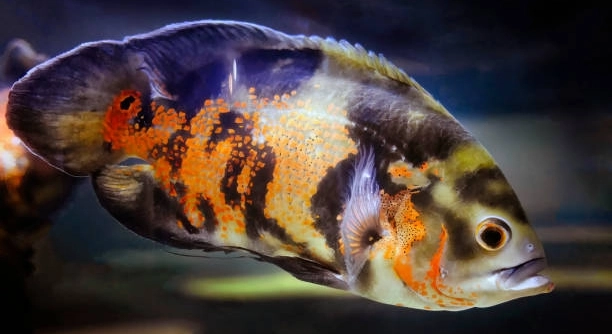
Breeding Oscar fish can be an exciting and rewarding experience, but it comes with its own set of challenges. Knowing the right techniques is key to ensuring success and promoting healthy fish. In this guide, we’ll explore practical tips.
The most effective way to breed Oscar fish involves creating the ideal environment, including water quality, temperature, and tank setup. Proper nutrition and selecting compatible pairs are also essential to ensuring successful breeding and the survival of the fry.
Mastering these steps will give you the best chance for Oscar fish breeding success, helping you create a thriving aquatic environment for your fish.
Preparing the Tank for Breeding
Setting up the tank for breeding Oscars is crucial to their success. Ensure the water temperature is kept between 76-80°F (24-27°C) and that it’s clean and well-filtered. Oscars are sensitive to water quality, so regular water changes are necessary to prevent any buildup of toxins. Keep the pH level between 6.5 and 7.5, as this range is ideal for breeding. Providing plenty of hiding spots like caves or flat rocks will give your Oscar fish the space they need to feel secure. Proper tank maintenance is essential for reducing stress and promoting a healthy breeding environment.
Before attempting to breed Oscars, you should also assess their size and maturity. Both males and females must be at least a year old and fully developed to breed successfully. Observing their behavior can help identify when they are ready to mate, as they will become more territorial and active during this time.
Be sure to prepare the tank ahead of time and maintain consistency to ensure the best chances of successful breeding.
Selecting Healthy Oscar Fish
Selecting the right pair of Oscars for breeding is essential. You need a healthy male and female who are compatible. Look for fish that are at least 12 inches long, as they are typically mature enough for breeding. Be sure to observe their behavior for signs of readiness. Healthy, vibrant fish will show strong coloration and consistent activity levels. Avoid selecting fish with any signs of illness or injury, as this can affect their ability to breed or raise healthy offspring.
Once you’ve chosen your pair, ensure they are introduced to each other in a calm and controlled manner. Monitor them closely for any signs of aggression. Ideally, the male will show interest in the female by following her closely and displaying mating rituals, such as cleaning the breeding site. If the pair is compatible, they will gradually develop a bond that will lead to successful spawning.
Make sure to set up a breeding area with flat surfaces for egg-laying, such as a clean rock or flat piece of wood, where the female can deposit her eggs.
Proper Nutrition for Breeding Oscars
A balanced diet is key to Oscar fish breeding success. Provide high-quality pellets, live or frozen food, such as worms and shrimp, to support their health. A variety of food types helps ensure that Oscars receive all the nutrients they need for breeding.
Before breeding, focus on feeding your Oscars a protein-rich diet. This will help them build strength and promote better breeding outcomes. Make sure to offer smaller meals multiple times a day, rather than one large meal, as this is more in line with their natural feeding patterns. Fresh and clean food is vital.
Nutrition also plays a role in egg and sperm production. Oscars with a poor diet may have difficulty producing healthy eggs or sperm. Therefore, keeping your fish well-fed with the proper nutrients can improve both the breeding process and the health of the offspring.
Maintaining Water Quality
Good water quality is essential for Oscar breeding. Regular water changes are necessary to keep toxins and waste from accumulating in the tank. Aim for a 25% to 30% water change every week, especially during the breeding period.
Use a high-quality filtration system to maintain clean water. Oscars produce a lot of waste, which can quickly lead to an unhealthy environment if not managed properly. Monitor ammonia, nitrite, and nitrate levels regularly, as high levels can cause stress and even kill your fish.
Additionally, consider investing in a water testing kit to ensure that the pH, hardness, and temperature are optimal for breeding. Poor water quality can interfere with breeding, resulting in unsuccessful attempts. Keeping the environment clean and stable is one of the easiest ways to boost your chances of breeding success.
Observing Breeding Behavior
Once Oscars are in a breeding-ready state, you’ll notice changes in their behavior. The male will often clean a flat surface for the female to lay eggs. Both fish may become territorial, guarding the area from other tank mates.
During courtship, the male will perform a display of cleaning the breeding site and following the female closely. This can last for several days before they finally spawn. Pay attention to any aggression, as the male may become more defensive, especially if he feels threatened by other fish.
The female will lay her eggs on the cleaned surface, and the male will fertilize them. Afterward, both fish will guard the eggs.
Tank Conditions During Spawning
During spawning, it’s crucial to maintain stable water conditions. A slightly higher temperature, around 80-82°F (27-28°C), encourages spawning behavior. Keep the lighting dim and consistent to prevent stress from sudden changes.
Once the eggs are laid, the parents will guard them aggressively. It’s important to minimize disturbances during this time, as this is when the fish are most vulnerable. Keep an eye on water quality, ensuring it remains pristine to prevent fungal infections. This time is critical for the eggs’ development, so maintaining calm and optimal conditions will ensure the best results.
Raising the Fry
Oscar fry are initially very small and require special care. Once the eggs hatch, the fry will stay near the parents for protection. It’s best to provide finely crushed food or liquid fry food to nourish them during the first few weeks. The parents will continue to guard and protect them.
FAQ
How do I know when my Oscars are ready to breed?
When Oscars are ready to breed, you’ll notice changes in their behavior. The male will become more territorial, cleaning a flat surface where the female can lay eggs. Both fish may begin to act more aggressively towards other tank mates. The female’s belly may also swell as she becomes ready to lay eggs. Look for these signs to indicate that breeding is near.
Do I need to separate the pair during breeding?
It’s not always necessary to separate the pair, but if other fish in the tank are aggressive or disruptive, it’s a good idea. Oscars can be very protective during breeding, so if they show signs of aggression towards tank mates, separating them into a breeding tank can reduce stress and increase the likelihood of successful breeding.
What should I do if the eggs don’t hatch?
If the eggs don’t hatch, the most likely cause is poor water conditions or an issue with fertilization. First, check the water temperature, pH, and cleanliness. Eggs can also fail to hatch if they are not fertilized properly. If you suspect this, you may need to try again with a different pair or make adjustments to the breeding environment.
Can I breed Oscars in a community tank?
While it’s possible to breed Oscars in a community tank, it’s not recommended due to the potential for aggression. During breeding, Oscars can become highly territorial and protective. Tank mates might get stressed or even injured. To improve breeding chances, it’s better to house the pair in a separate, quiet environment where they can focus on each other without distractions.
How long does it take for Oscar eggs to hatch?
Oscar eggs usually hatch in 3 to 5 days, depending on the water temperature. Warmer water speeds up the process, while cooler water will slow it down. After hatching, the fry will remain in the protective area near the parents for a few days before they start swimming independently.
Should I feed my Oscars while they are breeding?
Yes, it’s important to continue feeding your Oscars while they are breeding. Offer them high-quality food such as pellets, live, or frozen foods like worms and shrimp. Keep the portions small and frequent to prevent overfeeding, which can affect water quality. Healthy Oscars are more likely to breed successfully and care for their fry.
What happens if the Oscars eat the eggs?
It’s common for Oscars to eat their eggs if they feel threatened or stressed. Sometimes, they may consume the eggs if they aren’t properly fertilized or if the environment isn’t suitable for them to develop. To reduce the chance of this, ensure that water conditions are optimal, and provide a stress-free environment for the pair during breeding.
How many eggs will my Oscars lay?
Oscar fish can lay anywhere from 500 to 1,000 eggs in one breeding session, depending on the size and age of the female. The eggs are typically laid on flat surfaces like rocks or wood, and the parents will guard them closely. The number of eggs can vary, but a healthy pair can produce a large batch of eggs during each breeding attempt.
Can I keep the fry with the parents?
It’s usually a good idea to keep the fry with the parents, especially in the first few weeks. The parents will protect the fry and help them feel safe. However, as the fry grow, they may need more space and the parents might become aggressive. At this point, it’s better to move the fry to a separate tank to prevent overcrowding and aggression.
What kind of water conditions are best for breeding Oscars?
Oscar fish breed best in water that is between 76-80°F (24-27°C), with a pH level of 6.5 to 7.5. Make sure the water is well-filtered and clean, as Oscars are sensitive to poor water quality. Regular water changes (about 25-30% weekly) are essential to maintain a healthy environment for both the breeding pair and the fry.
Do Oscars need special lighting for breeding?
Oscars don’t require special lighting for breeding, but they do need a consistent light cycle. Keeping the lighting on for 10-12 hours a day simulates natural conditions and helps encourage breeding behavior. Avoid sudden changes in lighting, as this can stress the fish.
What should I feed the fry after they hatch?
Oscar fry are very small and need to be fed carefully in the early stages. Begin by offering finely crushed food or liquid fry food designed for small fish. Once they grow a little, you can start feeding them small live or frozen foods like brine shrimp, baby worms, or micro pellets. Avoid overfeeding, as excess food can affect water quality.
How can I tell if the fry are healthy?
Healthy fry will swim freely within a few days after hatching. They will be active, evenly colored, and have a normal swimming pattern. If the fry appear lethargic, discolored, or are staying in one spot, it could be a sign of poor water quality or a health issue. In these cases, adjusting water parameters and improving nutrition can help improve their condition.
Can Oscars breed more than once a year?
Yes, Oscars can breed multiple times a year, especially if they are in good health and the conditions are right. Healthy, mature Oscars may breed every few months. However, frequent breeding can take a toll on their health, so it’s important to allow time for rest and recovery between breeding attempts.
How do I prevent my Oscars from becoming aggressive during breeding?
To reduce aggression during breeding, ensure that the tank provides plenty of hiding spots and territories for both fish. This allows them to establish their own space. If aggression becomes excessive, consider separating them into a breeding tank or providing more hiding spots to reduce stress.
Final Thoughts
Breeding Oscar fish can be a rewarding experience for those who are prepared to meet the demands of these impressive fish. With proper care and attention to their environment, you can create the ideal conditions for successful breeding. It’s important to ensure the water temperature, pH levels, and cleanliness are just right. Oscars are particularly sensitive to changes in their environment, and any stress can hinder the breeding process. By providing stable conditions and a suitable breeding space, you are giving your Oscars the best chance to thrive.
Patience is key when breeding Oscars. The process can take time, and there may be setbacks along the way. Some pairs might not breed on their first attempt, or eggs may not hatch successfully. These challenges are common, and understanding that they are part of the process can help you stay motivated. Keep a close eye on the fish during their breeding period and make adjustments as needed to improve the conditions. As long as you remain attentive and calm, the process can become smoother with each attempt.
Ultimately, breeding Oscars is not just about having baby fish; it’s also about observing and learning from these fascinating creatures. Watching them interact during the breeding process can be an eye-opening experience that allows you to understand their behaviors and needs more deeply. With the right approach, breeding Oscars can be an enjoyable and educational experience, providing you with a greater appreciation for these remarkable fish. Whether you’re a beginner or have experience with fish keeping, the success of breeding Oscars largely depends on the environment you create and the attention you give them.

Hello,
If you enjoy the content that we create, please consider saying a "Thank You!" by leaving a tip.
Every little bit helps us continue crafting quality advice that supports the health, happiness, and well-being of pets around the world, for pets of all shapes, sizes, and species.
We really appreciate the kindness and support that you show us!