
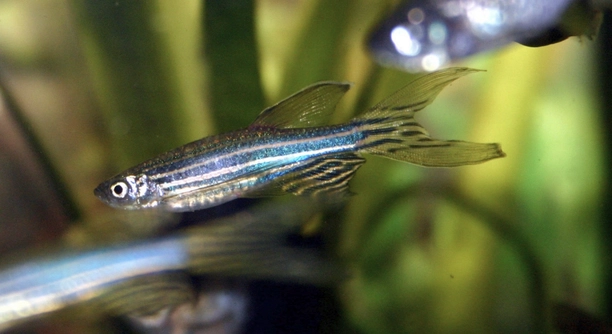
Zebra Danios are small, active fish that can captivate your attention with their lively behaviors. Understanding how they move, interact, and respond to their environment can deepen your connection with these fascinating creatures.
To observe Zebra Danio behavior closely, focus on their swimming patterns, feeding habits, and social interactions. Their active nature and responsiveness to environmental changes make them easy to study, providing insights into their behavior and well-being.
By knowing how to watch for key behaviors, you can gain a better understanding of their needs and personalities. The following tips will help you observe your Zebra Danios more effectively.
Observing Swimming Patterns
Zebra Danios are known for their energetic and continuous swimming. They often move in quick bursts, darting around the tank. This behavior is normal and helps keep them healthy by exercising their muscles. Watch how they swim in different areas of the tank, from the top to the bottom. You may notice they sometimes swim in a straight line or perform sharp turns when startled or excited. If they swim in one area too long, it could indicate stress or discomfort.
Their swimming movements reflect their overall health. If they seem lethargic or swim erratically, it may be a sign something is wrong. A well-balanced aquarium environment can support their natural behavior, allowing them to thrive. Their constant movement is a key part of their nature, so ensure the tank size and water quality are suitable for these active swimmers. Healthy Zebra Danios usually have a smooth, unbroken swimming pattern.
While observing them, take note of how they interact with other fish. They tend to swim in groups, which is an important part of their social behavior. Their school-like swimming can be a comforting sign that they feel secure and at ease.
Monitoring Feeding Habits
Feeding behavior provides a lot of insight into a Zebra Danio’s health. They are not picky eaters, but they can be fast, aggressive feeders when food is present.
They often rush to the surface when they sense food, and their quick movements are part of their feeding ritual. Watching them during feeding times gives you a chance to monitor their appetite. If a Zebra Danio isn’t eating as much as usual, it may indicate stress or health issues. Their eating habits should be consistent, and they should never seem overly sluggish.
Zebra Danios are opportunistic feeders, meaning they are quick to grab food when it’s available. However, if they start losing interest in food, it may signal water quality problems or possible disease. Regular feedings at consistent times also help establish routine behavior. If your fish eat eagerly but seem to struggle or display other unusual behavior afterward, it’s essential to investigate the tank environment or their diet further.
Observing Social Interactions
Zebra Danios are social fish and prefer to swim in groups. They feel safer and more comfortable when surrounded by others. If you observe them alone or isolated, it may indicate stress or an unhealthy tank environment. Watch how they interact with their tankmates.
In a school, Zebra Danios often display coordinated swimming. They may move in sync with others, especially during feeding or when startled. Pay attention to how they communicate with each other. If you notice aggression or bullying between them, it could be a sign of overcrowding or territorial issues. Sometimes, males chase each other or display dominance behaviors during mating.
Social interactions play a vital role in their well-being. If one Danio is constantly separated from the group, it might not be feeling secure. Ensure there are enough hiding spots and territories in the tank to minimize stress and encourage natural behaviors. Healthy Zebra Danios are usually active and lively when grouped with others.
Paying Attention to Tank Environment
The environment significantly affects Zebra Danio behavior. They thrive in tanks with well-maintained water quality, consistent temperatures, and plenty of swimming space. If you notice them staying in one corner or acting unusually, it’s important to check the tank conditions.
Zebra Danios are sensitive to changes in water parameters, such as pH, ammonia, and nitrate levels. Sudden changes in temperature or water chemistry can stress them, causing erratic swimming or loss of appetite. Make sure to regularly test water quality and perform regular water changes to ensure it remains optimal. A properly maintained tank will encourage healthy, natural behaviors.
A well-planted tank with hiding spots can make Zebra Danios feel more secure. They appreciate areas to rest, but also need open spaces to swim freely. Ensure that the tank environment has a balance of both. Providing a stable environment will allow your fish to display their best behaviors.
Watching for Stress Signs
Zebra Danios are active and energetic, but stress can cause them to behave unusually. If you notice your fish swimming erratically or hiding more than usual, stress might be the cause. Keeping an eye out for these signs can help you address the issue quickly.
Physical signs of stress include faded colors, rapid gill movement, or swimming in circles. If your Danios are rubbing against objects in the tank, it could also suggest skin irritation or parasites. Stress is often linked to poor water quality, overcrowding, or incompatible tankmates. Observing these signs early can prevent bigger problems.
Understanding Breeding Behavior
During breeding, Zebra Danios exhibit specific behaviors. The males often chase the females around the tank, trying to get their attention. This behavior is part of their courtship ritual and can be observed in well-conditioned Danios.
The female Danio may appear rounder when ready to spawn, and she will typically swim near the top of the tank. If you’re breeding them in a separate tank, provide plenty of plants or mesh for the eggs to be laid. The males fertilize the eggs after they are released. After spawning, the adults should be removed to prevent them from eating the eggs.
Tankmate Compatibility
Zebra Danios can be kept with a variety of peaceful fish. However, certain species might be too aggressive or overly shy for these active swimmers. Keep an eye on how they interact with their tankmates.
Aggressive tankmates may try to chase or nip at the Danios, causing them stress. It’s important to ensure that the other fish are similarly energetic and non-aggressive. Keeping the environment peaceful helps the Danios feel secure and shows their best social behavior.
FAQ
What are the common signs of a healthy Zebra Danio?
Healthy Zebra Danios are active and swim constantly. Their colors should be bright and vibrant, with no signs of fading. You should also notice them interacting with other fish, schooling in groups, and eating regularly. Their fins should be intact, and they should swim smoothly without erratic movements. Healthy Danios are social and enjoy being in groups, so seeing them engaged in school-like behavior is a good indicator of well-being. Keep an eye out for clear, alert eyes and smooth, unbroken fins.
How can I reduce stress for my Zebra Danios?
To reduce stress, ensure your Zebra Danios are kept in a stable environment. Regular water changes are essential for maintaining good water quality, and make sure the temperature stays between 64°F to 75°F (18°C to 24°C). Avoid sudden changes in water parameters, as this can stress the fish. Keep the tank size appropriate for the number of fish and avoid overcrowding. Provide plenty of hiding spots, such as plants or decorations, so they can feel secure. It’s also important to avoid keeping aggressive tankmates, as this can cause unnecessary stress.
What can cause my Zebra Danios to lose their color?
Zebra Danios may lose their color for several reasons, most commonly related to stress, poor water quality, or illness. If the water temperature is fluctuating, or if there are high levels of ammonia or nitrates, it can lead to fading colors. Stress from overcrowding or aggressive tankmates can also cause them to lose their vibrant hues. Illnesses like fungal or bacterial infections can cause color loss, along with other signs such as lethargy or abnormal swimming behavior. If you notice a color change, it’s important to test the water quality and assess the overall environment.
How often should I feed my Zebra Danios?
Zebra Danios should be fed small amounts two to three times per day. They have fast metabolisms, so it’s important not to overfeed them. Providing them with a balanced diet of flake food, pellets, or live foods like brine shrimp or daphnia is ideal. Offering a variety of foods ensures they get a complete range of nutrients. It’s also important to remove any uneaten food after a few minutes to prevent water contamination. Consistent feeding times help keep their behavior predictable and support their active nature.
Do Zebra Danios need a filter?
Yes, Zebra Danios require a filter to maintain good water quality. These fish are very active and produce waste, which can quickly degrade water conditions if not removed properly. A filter helps keep the water clean by removing debris and maintaining a stable environment. It’s important to choose a filter with appropriate flow for the size of the tank, as Danios prefer moderate water movement. Be sure to clean the filter regularly to prevent clogging and ensure it is functioning properly.
Can Zebra Danios live with other fish?
Zebra Danios are peaceful and can live with a variety of other fish, especially those of similar size and temperament. They do well with other small, non-aggressive species. Avoid pairing them with large, aggressive fish that may intimidate or harm them. Good tankmates include species like guppies, tetras, and mollies. It’s important to monitor their interactions to ensure they are getting along and that no one is being bullied. Keep in mind that Danios thrive in groups, so consider keeping at least five or six to make them feel secure.
What is the lifespan of Zebra Danios?
Zebra Danios generally live for about 2 to 3 years when kept in optimal conditions. With proper care, such as regular water changes, a balanced diet, and stable water parameters, they can reach their full lifespan. Stress, poor water quality, and diseases can reduce their lifespan, so maintaining a healthy environment is key to ensuring they live a long life. It’s also important to monitor their behavior and look out for early signs of illness so that you can address any issues before they affect their health.
Why are my Zebra Danios swimming near the surface?
Zebra Danios swimming near the surface is generally a normal behavior, especially if they are feeding or exploring. However, if they are constantly at the surface, it could indicate problems with oxygen levels or water quality. Inadequate aeration, poor water circulation, or high levels of toxins like ammonia can cause them to seek oxygen at the surface. It’s important to check the water parameters regularly to ensure they are within the ideal range. If you notice this behavior frequently, consider adding a water pump or air stone to increase oxygen exchange.
How can I encourage breeding in Zebra Danios?
Breeding Zebra Danios is relatively easy as they are prolific spawners. To encourage breeding, ensure that the water is clean and slightly acidic with a temperature of around 70°F to 78°F (21°C to 26°C). Provide plants or spawning mops where the eggs can be deposited. Once you notice the males chasing the females, it’s a sign they are ready to spawn. After breeding, remove the adults from the tank to prevent them from eating the eggs. The eggs will hatch in about 2 to 3 days, and the fry can be fed with infusoria or finely crushed flakes once they are free-swimming.
What are the signs of illness in Zebra Danios?
Common signs of illness in Zebra Danios include lethargy, loss of appetite, faded colors, or abnormal swimming patterns. They may also develop visible spots or lesions on their bodies, which can indicate fungal or bacterial infections. If they are scratching against objects, it could suggest the presence of parasites. Respiratory issues, such as rapid gill movement or gasping at the surface, may indicate oxygen deprivation or gill disease. If any of these symptoms are noticed, it’s important to test the water quality and consider isolating sick fish in a quarantine tank for treatment.
Final Thoughts
Observing Zebra Danio behavior closely can be both enjoyable and educational. These small, active fish offer plenty of opportunities to understand their social interactions, swimming habits, and responses to their environment. By paying attention to how they move, interact with each other, and react to changes in their tank, you can gain valuable insights into their health and well-being. Zebra Danios are generally hardy and adaptable, but understanding their behavior can help you provide the best care possible for them.
Keeping an eye on their social interactions is one of the easiest ways to learn about Zebra Danios. They thrive in groups and often swim in coordinated schools, which is an essential part of their nature. Watching them interact can also help you spot stress or aggression, which might be triggered by poor water quality, overcrowding, or incompatible tankmates. Being proactive and noticing these signs early can prevent more serious issues down the road, ensuring your fish stay healthy and happy.
Providing the right environment for your Zebra Danios is key to encouraging natural behaviors. Maintaining stable water conditions, offering enough space, and including hiding spots can help your fish feel safe and secure. Additionally, feeding them the right foods and observing their feeding habits can give you further clues about their health. By paying attention to these details, you can ensure that your Zebra Danios will thrive and continue to display their lively, engaging behaviors for years to come.

Hello,
If you enjoy the content that we create, please consider saying a "Thank You!" by leaving a tip.
Every little bit helps us continue crafting quality advice that supports the health, happiness, and well-being of pets around the world, for pets of all shapes, sizes, and species.
We really appreciate the kindness and support that you show us!