
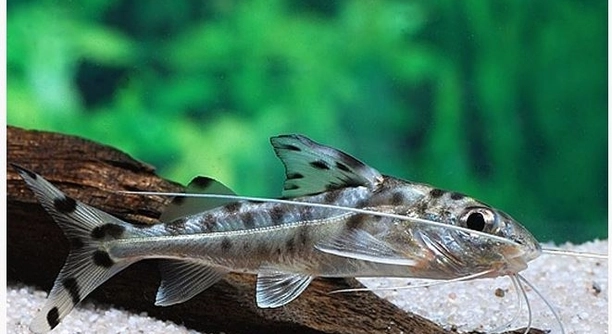
Observing pictus catfish can be a rewarding experience for many fish keepers. These fish have unique behaviors that reflect their natural instincts and environment. Understanding them helps improve how we care for them at home.
To observe pictus catfish without causing stress, maintain a calm environment, avoid sudden movements, provide plenty of hiding spots, use soft lighting, keep water quality stable, and observe quietly from a distance. These steps support natural behavior and fish well-being.
Learning these tips will help you appreciate your pictus catfish’s true personality while keeping them comfortable and healthy in your aquarium.
Keep the Aquarium Environment Calm
A calm environment is key when observing pictus catfish. These fish are naturally shy and easily startled by loud noises or sudden movements. Keeping the room quiet and avoiding quick gestures around the tank helps them feel safe. When the fish feel secure, they show more of their natural behaviors, like exploring and interacting with the tank. You can create a calm atmosphere by turning off bright overhead lights and minimizing strong vibrations near the aquarium. Placing the tank in a low-traffic area also reduces disturbances. These small changes help pictus catfish relax and display their unique behaviors without fear.
Minimizing noise and sudden activity around the aquarium improves pictus comfort. A peaceful space encourages more natural fish movement and interaction.
A calm environment also benefits water quality. Less agitation means fewer stress hormones in the water, supporting overall fish health. When pictus catfish are calm, you can observe subtle behaviors like their social interactions or feeding habits more clearly. Patience is important because pictus may take time to adjust before they feel comfortable showing themselves. Giving them space and time without interruptions creates the best conditions for stress-free observation.
Provide Plenty of Hiding Spots
Pictus catfish need hiding places to feel secure. In the wild, they seek shelter among rocks, plants, or driftwood to avoid predators. In your aquarium, including caves, plants, or decorations where they can retreat will make a big difference. These spots help reduce stress by giving the fish control over when they want to be visible or hidden.
Hiding places support natural behavior and reduce fear, making pictus more active when observed.
Hiding spots are essential for pictus well-being because they allow the fish to rest and recover when needed. This helps maintain their health over time. When the fish feel safe, they show more natural curiosity and activity during feeding or social interactions. Without these shelters, pictus catfish may become stressed and hide constantly, making observation difficult. Adding a variety of hiding options also mimics their natural environment and enriches their daily life. Simple items like small caves, dense plants, or driftwood create perfect refuges and enhance the aquarium’s look. This thoughtful setup allows for healthier, happier fish that behave naturally, making your observations more rewarding.
Avoid Sudden Movements
Sudden movements near the tank can startle pictus catfish and cause stress. Moving slowly and calmly around the aquarium helps keep them relaxed.
Pictus catfish are sensitive to fast motions and changes in their environment. Quick gestures or tapping on the glass can frighten them, leading to hiding or erratic swimming. Staying still or moving gently allows them to feel safe enough to come out and explore. This calm approach encourages natural behavior, making it easier to observe their habits.
When you avoid sudden movements, pictus catfish show more confidence. They become more active and curious, which lets you see their interesting behaviors. Patience and slow actions build trust between you and your fish without causing stress or fear.
Use Soft Lighting
Bright or harsh lighting can stress pictus catfish and make them hide. Soft, dim lighting mimics their natural environment and helps them feel comfortable.
Soft lighting is less intense and reduces glare in the aquarium, making the space feel safer for the fish. Pictus catfish are nocturnal by nature and prefer low light levels. Using adjustable LED lights or placing the tank away from direct sunlight helps maintain a gentle glow. This lighting supports their natural activity cycles and encourages them to swim freely.
By using soft lighting, you improve the overall health of your pictus catfish. It reduces stress and promotes natural behavior like feeding and socializing. Proper lighting also benefits plant growth if you have live plants in the tank, creating a balanced, peaceful environment for your fish.
Keep Water Quality Stable
Stable water conditions are essential for pictus catfish well-being. Sudden changes in temperature or chemistry can stress them and affect their behavior.
Regular testing and gentle water changes help maintain a healthy environment. Avoid large fluctuations to keep your fish comfortable and active.
Observe from a Distance
Watching pictus catfish from a distance prevents them from feeling threatened. Staying back reduces the chance of startling them.
Keeping a reasonable space between you and the tank allows the fish to act naturally. It gives you a better chance to see their true behavior without causing stress.
Feed at Consistent Times
Feeding pictus catfish on a regular schedule supports their natural rhythm. Consistency helps reduce anxiety and encourages predictable behavior.
Regular feeding times create a routine that your fish will recognize. This routine promotes healthy activity and makes observation easier as the fish learn when to expect food. Consistent feeding also supports digestion and overall health, which contributes to stress reduction. Avoid overfeeding, as excess food can harm water quality and cause discomfort. By sticking to set feeding times and appropriate amounts, your pictus catfish will stay healthy and more comfortable, allowing for better observation of their behaviors.
Avoid Overcrowding
Too many fish in one tank can cause stress for pictus catfish. They need enough space to swim and hide comfortably.
FAQ
How can I tell if my pictus catfish is stressed?
Signs of stress in pictus catfish include hiding more than usual, erratic swimming, loss of appetite, and dull coloration. They may also cling to one spot or breathe rapidly. Observing these behaviors early helps you adjust their environment to reduce stress and improve their well-being.
What are the best hiding spots for pictus catfish?
Good hiding spots include caves, dense plants, and driftwood. These items offer shelter and mimic their natural habitat. Make sure hiding places are easy to enter and large enough for your fish to feel safe without feeling trapped.
Can loud noises affect pictus catfish behavior?
Yes, loud noises and vibrations can cause stress and frighten pictus catfish. Keep the tank in a quiet room and avoid tapping on the glass or sudden sounds nearby. A peaceful environment helps them feel secure.
How often should I feed pictus catfish?
Feeding once or twice daily is enough. Offer small amounts of food they can finish in a few minutes. Overfeeding can harm water quality and cause health problems. A regular feeding schedule supports their natural habits and stress levels.
Is tank size important for pictus catfish comfort?
Yes, a larger tank gives pictus catfish more space to swim and explore. Overcrowding leads to stress and aggression. A tank of at least 30 gallons is recommended for a small group of pictus catfish to ensure comfort and healthy behavior.
What water temperature is best for pictus catfish?
Pictus catfish prefer temperatures between 72°F and 79°F (22°C to 26°C). Maintaining a stable temperature within this range is crucial. Sudden temperature changes can cause stress and illness.
How often should I change the water?
Change 20-25% of the water weekly to keep conditions clean and stable. Regular water changes reduce harmful toxins and help maintain the right pH and hardness for pictus catfish.
Can pictus catfish live with other fish?
Pictus catfish are generally peaceful but can be shy around aggressive species. They do well with other non-aggressive, similarly sized fish. Avoid housing them with large or aggressive tank mates to reduce stress and injury risk.
What kind of food do pictus catfish prefer?
They enjoy sinking pellets, live or frozen bloodworms, brine shrimp, and occasional vegetable matter. Providing a varied diet ensures proper nutrition and keeps them active and healthy.
How can I reduce stress during tank maintenance?
Perform maintenance slowly and quietly. Avoid sudden water temperature changes and keep bright lights off during cleaning. Try not to disturb the fish directly, and give them time to settle afterward.
Are pictus catfish nocturnal?
Yes, pictus catfish are mostly active at night or in low light. They tend to hide during the day and come out to forage when the lights are dimmed. Providing a natural light cycle supports their behavior.
Why is it important to observe pictus catfish without stress?
Observing without causing stress helps fish stay healthy and behave naturally. Stress can weaken their immune system and shorten lifespan. Calm observation promotes well-being and allows you to enjoy their unique behaviors fully.
Final Thoughts
Watching pictus catfish can be a peaceful and enjoyable experience when done carefully. These fish are sensitive to their environment, so creating a calm and stable space is important. When the aquarium is quiet and the water is clean, pictus catfish are more likely to behave naturally. This makes observing them much easier and more rewarding. Simple steps like keeping soft lighting, avoiding sudden movements, and providing hiding places help reduce their stress. A relaxed fish will show more interesting and natural behavior, which is the goal for anyone who wants to learn about these unique creatures.
It is important to remember that pictus catfish have their own rhythms and needs. They are mostly active during low light and may hide during the day. Watching them requires patience and respect for their nature. Feeding them regularly and maintaining good water quality are also key to their well-being. When fish are healthy and comfortable, they respond better to their surroundings. This means you will see more of their true personality over time. Being gentle and consistent in your care builds trust between you and your fish without causing fear or stress.
In the end, keeping pictus catfish stress-free is about balance and understanding. Every small change in their environment can affect their mood and behavior. By paying attention to their needs and keeping their tank peaceful, you can enjoy watching their natural habits. These fish reward calm and steady care with lively and curious actions. Taking the time to learn about their behavior not only benefits the fish but also makes your aquarium a more pleasant and calming place. Observing pictus catfish without stress helps create a healthy home where both fish and keeper can appreciate the quiet beauty of aquatic life.

Hello,
If you enjoy the content that we create, please consider saying a "Thank You!" by leaving a tip.
Every little bit helps us continue crafting quality advice that supports the health, happiness, and well-being of pets around the world, for pets of all shapes, sizes, and species.
We really appreciate the kindness and support that you show us!