
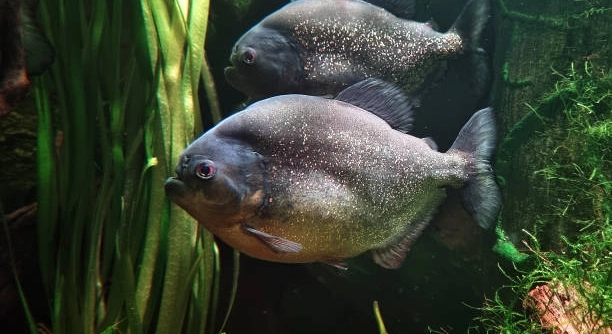
Keeping a piranha tank properly stocked is essential for the health and safety of the fish. Overcrowding can lead to stress, aggression, and poor water quality. Managing space and population in the tank helps maintain a balanced environment.
Proper tank management involves monitoring fish numbers and tank size to prevent overcrowding. Overcrowding increases competition for resources and causes deteriorating water conditions, which negatively impact piranha health and behavior. Maintaining an appropriate fish-to-space ratio supports a stable aquatic ecosystem.
Controlling the number of piranhas in your tank ensures a safer, healthier habitat for the fish and reduces maintenance challenges.
Understanding Piranha Behavior and Space Needs
Piranhas are territorial fish that require adequate space to reduce aggression. When kept in tanks that are too small or overcrowded, their natural behavior becomes stressed, causing frequent fights and injuries. These fish need room to swim freely and establish their own areas. Proper tank size helps maintain social balance and reduces harmful interactions. Water quality also suffers when there are too many fish, as waste builds up faster and filtration systems struggle to keep the environment clean. Frequent water changes and monitoring of ammonia and nitrate levels become essential in overcrowded tanks, but these steps only address symptoms, not the root issue of limited space. Giving piranhas enough room not only reduces stress but also promotes better health, stronger immune systems, and natural behaviors like schooling and feeding. It is important to match the number of fish with the tank size, generally allowing at least 20 gallons per piranha to ensure comfort and well-being.
Overcrowding often leads to rapid water quality decline, which affects fish health negatively.
Managing space effectively helps maintain water quality and reduces aggressive behavior in piranha tanks.
Selecting the Right Tank Size
Choosing an appropriately sized tank is the first step to preventing overcrowding. For adult piranhas, a minimum tank size of 40 gallons is recommended for one or two fish. Each additional piranha requires more space, ideally 20 gallons per fish. A larger tank dilutes waste more efficiently, which helps maintain stable water conditions and reduces the need for frequent water changes. Bigger tanks also provide better swimming space and room for hiding places or decorations, which are important for fish comfort. It is tempting to keep many piranhas in a single tank, but this leads to stress and health issues over time. Investing in a larger tank upfront avoids these problems and creates a healthier environment for the fish. It also makes tank maintenance easier, as larger water volumes tend to be more stable. Before adding new fish, measure the tank and calculate how many piranhas it can support comfortably.
Selecting the correct tank size prevents overcrowding and supports healthier fish behavior.
A proper tank allows room for swimming, reduces stress, and maintains better water conditions for piranhas.
Avoiding Overfeeding
Overfeeding increases waste in the tank, which worsens water quality and encourages harmful bacteria growth. Piranhas are opportunistic feeders but do not need constant feeding to stay healthy.
Feeding piranhas too much can quickly pollute the water, forcing more frequent changes and stressing filtration systems. Excess food decomposes, raising ammonia levels and causing spikes in toxins harmful to fish. Providing measured portions once or twice daily is sufficient. Using sinking pellets or frozen foods prevents uneaten food from floating and degrading water quality. Observing how much your fish eat within five minutes helps adjust feeding amounts correctly. Proper feeding habits contribute to a cleaner tank environment and reduce the chance of disease.
Controlling food portions balances the tank’s ecosystem by limiting organic waste buildup. Feeding less but regularly is better than large, infrequent meals that can disrupt water chemistry and fish health.
Introducing New Fish Gradually
Adding many piranhas at once leads to overcrowding and sudden changes in water parameters. Introducing new fish slowly allows the tank to adjust and stabilizes the environment. Quarantining new fish before introduction helps prevent disease transmission and stress among established fish.
New piranhas should be acclimated carefully to the tank’s temperature and water chemistry. Introducing one or two fish at a time over several weeks prevents overloading the filtration system and reduces territorial disputes. Gradual introduction allows existing fish to adjust to newcomers, lowering aggression. Monitor water quality closely after adding new fish to ensure parameters remain stable. This cautious approach protects the health of the entire community and supports long-term tank balance. Proper planning in adding fish keeps the population manageable and the environment healthy.
Regular Water Testing
Consistent water testing helps detect early signs of poor water quality before it harms your piranhas. Testing parameters like ammonia, nitrites, and nitrates keeps the tank safe.
Maintaining ideal water conditions prevents stress and disease. Regular tests allow timely adjustments to filtration or water changes, supporting a stable environment for your fish.
Providing Adequate Filtration
Strong filtration is crucial to handle waste in a piranha tank. Filters must be rated for the tank size and bioload to maintain water clarity and quality. Proper filtration reduces toxins and helps keep fish healthy.
Limiting Tank Decorations
Too many decorations reduce swimming space and can contribute to overcrowding. Minimal decorations allow better water flow and give piranhas room to move freely and establish territories.
How many piranhas can I keep in one tank?
The number of piranhas depends on the tank size. A good rule of thumb is to allow at least 20 gallons of water per adult piranha. For example, a 40-gallon tank can house two piranhas comfortably. Overcrowding leads to stress and poor water quality, which can cause illness or aggression among fish. It’s better to keep fewer piranhas in a larger tank than many fish in a small space.
What signs indicate my piranha tank is overcrowded?
Signs of overcrowding include increased aggression, fin damage, and excessive waste buildup. Fish may become territorial and fight more frequently. The water might look cloudy, and ammonia or nitrate levels will rise quickly. If you notice fish hiding more or gasping at the surface, these are additional indicators. Testing water regularly can confirm if overcrowding affects the tank’s health.
How often should I clean an overcrowded tank?
An overcrowded tank requires more frequent maintenance. Partial water changes of 20-30% should be done weekly to reduce waste and toxins. Cleaning the filter regularly helps maintain water flow and filtration efficiency. Avoid full water changes, as they can shock the fish. Keeping a schedule for maintenance supports better water quality even in crowded conditions.
Can overcrowding cause piranhas to become aggressive?
Yes, overcrowding increases stress and competition for resources like food and territory. Piranhas are naturally aggressive, and a cramped environment makes conflicts more common. Providing enough space and hiding spots helps reduce aggression. If overcrowding is severe, separating fish into larger or multiple tanks may be necessary to maintain peace.
What is the best filtration system for a piranha tank?
A strong canister or hang-on-back filter rated for at least double the tank’s volume is ideal. Piranhas produce a lot of waste, so filtration must handle both mechanical debris and biological waste. Filters with multiple stages, including bio-media, help break down harmful substances. Regular filter maintenance is essential to keep the system effective.
Should I quarantine new piranhas before adding them to the tank?
Quarantining new fish for 2-4 weeks is recommended to prevent introducing diseases to the main tank. During quarantine, observe for signs of illness and ensure the new fish adapt well to the water conditions. This step protects your current piranhas and reduces stress from sudden changes in population.
How do I prevent overfeeding in a piranha tank?
Feed only what your piranhas can consume in about five minutes, once or twice a day. Remove uneaten food to avoid water pollution. Using measured portions and sticking to a feeding schedule helps maintain water quality. Avoid feeding large amounts at once, as leftover food breaks down and worsens water conditions.
Can tank decorations affect overcrowding?
Yes, too many decorations reduce swimming space and limit territory. While hiding spots are important, overcrowding with decorations can cause stress. Choose minimal, well-placed decorations that allow enough room for movement. Proper layout helps fish feel secure without feeling cramped.
Is it okay to keep other fish species with piranhas?
Piranhas are generally aggressive and may attack other fish. It is safer to keep them in a species-only tank. Some keepers try housing larger or fast-moving species, but this often causes stress or injury. If mixing species, research compatibility carefully and provide ample space.
What water parameters should I maintain to avoid overcrowding problems?
Keep ammonia and nitrite levels at zero, and nitrates below 20 ppm. Maintain water temperature between 75-82°F and pH around 6.5 to 7.5. Stable water conditions reduce stress caused by overcrowding and support fish health. Frequent testing helps catch changes early.
How do I know when it’s time to upgrade my tank?
If your piranhas grow larger or the current tank feels cramped, it’s time to upgrade. Signs include frequent fights, poor water quality despite maintenance, and reduced swimming space. Planning ahead for a larger tank prevents overcrowding and promotes a healthier environment.
What are the consequences of chronic overcrowding in a piranha tank?
Long-term overcrowding leads to chronic stress, increased disease risk, and shorter fish lifespan. Constant aggression can cause injuries and weakened immune systems. Water quality issues from waste buildup increase the chance of infections and death. Preventing overcrowding is essential for sustainable fish care.
Final Thoughts
Maintaining the right balance in a piranha tank is essential for the health and well-being of the fish. Overcrowding can quickly lead to stress, illness, and poor water quality. By carefully monitoring the number of fish in the tank and following proper care guidelines, it is possible to create a stable and comfortable environment. Adequate space allows piranhas to swim freely and behave naturally without constant competition for territory or resources. This balance not only helps the fish thrive but also makes tank maintenance easier and more effective.
Proper feeding habits, regular water testing, and strong filtration play important roles in preventing overcrowding problems. Overfeeding can cause waste to build up quickly, which harms water quality. Monitoring water parameters like ammonia and nitrates ensures the tank remains safe for the fish. Strong filtration supports the biological balance by breaking down harmful substances and keeping the water clear. Together, these factors help maintain a clean and healthy habitat. Introducing new fish gradually and quarantining them beforehand also reduces stress and disease risks, making the tank environment more stable for everyone.
In summary, avoiding overcrowding in a piranha tank requires attention to tank size, fish numbers, and maintenance routines. Providing enough room, controlling feeding, and regularly checking water conditions are key steps. Managing the tank carefully helps reduce aggression and health issues, supporting a longer and happier life for the piranhas. Taking these measures ensures a well-balanced aquatic space that benefits both the fish and the keeper. Consistency and patience in tank care are essential to achieving these results.

Hello,
If you enjoy the content that we create, please consider saying a "Thank You!" by leaving a tip.
Every little bit helps us continue crafting quality advice that supports the health, happiness, and well-being of pets around the world, for pets of all shapes, sizes, and species.
We really appreciate the kindness and support that you show us!