
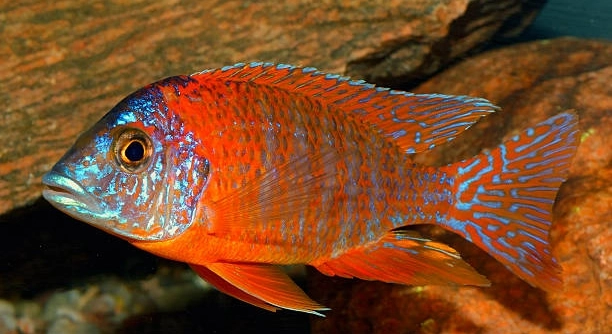
Moving cichlids to a new tank can feel like a big task, especially when you want to keep them safe and healthy. Proper planning and care help make the process smooth and reduce stress for your fish.
The key to relocating cichlids is gradual acclimation. Ensure water parameters in the new tank match the old one, use a secure transport method, and handle the fish minimally to prevent stress and health issues during the transition.
Following these steps will make the move safer for your cichlids. Simple adjustments and careful preparation can protect their health and comfort.
Prepare the New Tank Properly
Before moving your cichlids, it’s important to set up the new tank carefully. Make sure it is fully cycled and has stable water parameters similar to the old tank. Check temperature, pH, and hardness to avoid sudden changes that stress the fish. Add decorations and hiding spots to make the environment comfortable, as cichlids like places to retreat and explore. Clean the tank thoroughly but avoid using harsh chemicals that could harm your fish. Fill the tank with dechlorinated water and let it run for several hours to ensure it is stable. A properly prepared tank reduces stress and makes acclimation easier. Keep the filter running and ensure gentle water flow. Observe the tank for any irregularities in temperature or water clarity before introducing the cichlids. The more prepared the tank is, the smoother the transition will be for your fish.
Acclimating your cichlids starts with a safe, well-prepared environment that matches their previous home closely.
Taking the time to adjust the tank conditions to your cichlids’ needs is crucial. A stable tank prevents shock and encourages normal behavior, feeding, and growth. Ensure all equipment functions properly and that the water has been treated to remove chlorine or chloramines. Providing hiding spaces and substrate similar to the old tank helps the fish feel secure. A calm environment without sudden noises or movements reduces stress during the first days. Observing your fish closely after transfer allows you to spot any signs of distress early, helping prevent illness.
Gradual Acclimation Process
Use a slow, careful method to move the fish into the new tank.
Start by floating the transport bag in the new tank for 15–20 minutes to match temperatures. Gradually add small amounts of tank water into the bag every 5–10 minutes. This helps the cichlids adjust to any differences in water chemistry. Avoid pouring the fish directly into the new tank immediately. Once the water in the bag is mostly from the new tank, gently release the fish using a net. Do not remove all water from the bag to prevent introducing debris or contaminants. Monitor the cichlids closely for signs of stress such as rapid gill movement or hiding. Gradual acclimation reduces shock and allows fish to settle comfortably.
Pay attention to water quality and fish behavior during the first week. Observing their feeding patterns, energy levels, and interaction with tank elements helps ensure the move is successful. Regular water testing and partial water changes may be needed to maintain stability.
Transporting Cichlids Safely
Use a sturdy, clean container with a secure lid to transport your cichlids. Avoid overcrowding by moving only a few fish at a time. Keep the container in a stable position and out of direct sunlight to prevent sudden temperature changes.
During transport, maintain stable water temperature using insulated bags or boxes. Avoid shaking or sudden movements, as cichlids are sensitive to stress. If the trip is long, provide air using a battery-operated aerator. Keep the transport container shaded and monitor water conditions whenever possible. Handle the fish gently and avoid sudden splashes that could injure them.
Transporting cichlids in smaller, controlled batches ensures they arrive safely. Using proper water, temperature control, and careful handling reduces stress and the risk of injury. Once at the new tank, proceed with the acclimation steps immediately to make the transition smooth and safe.
Monitor Fish Behavior
Observe the cichlids closely for changes in behavior after moving them to the new tank.
Watch for signs of stress such as hiding, rapid gill movement, or loss of appetite. Regularly check their activity levels and interactions with other fish. Healthy cichlids should explore their environment and resume normal feeding within a few days.
Stress can make fish more susceptible to illness. Keeping the environment stable and quiet encourages recovery. Make sure water parameters remain consistent, and avoid overfeeding, which can pollute the tank. Remove uneaten food promptly and provide plenty of hiding spots. Tracking changes in behavior daily helps detect potential issues early, ensuring your cichlids stay healthy and comfortable in their new home.
Maintain Water Quality
Regularly test the water in the new tank for ammonia, nitrite, and nitrate levels. Consistent water quality prevents stress and illness in cichlids.
Perform partial water changes when necessary and remove uneaten food promptly. Clean filters carefully without disturbing beneficial bacteria to maintain a healthy environment for the fish.
Avoid Overcrowding
Keep the number of cichlids in the tank appropriate for its size. Overcrowding can lead to aggression, stress, and poor water quality. Providing enough space ensures each fish can establish territory and reduces conflicts, helping them adjust more easily to the new environment.
Feeding Adjustments
After moving, feed your cichlids smaller portions more frequently. This helps them adjust and reduces the risk of uneaten food polluting the tank. Maintaining a balanced diet supports recovery from stress and encourages normal behavior and energy levels.
Gradual Introduction of Decorations
Introduce new decorations and plants slowly. Sudden changes can stress cichlids, so adding items gradually allows them to acclimate while exploring their environment safely.
FAQ
How long should I acclimate my cichlids to the new tank?
Acclimation should take at least 30–60 minutes using the drip or floating bag method. Slowly mixing small amounts of new tank water into the transport water allows the fish to adjust to temperature and chemical differences without shock. Rushing this process can cause stress or even illness.
Can I move all my cichlids at once?
It’s best to move only a few fish at a time. Overcrowding in the transport container increases stress and the risk of injury. Smaller batches allow careful monitoring and ensure each fish arrives safely and ready for acclimation.
What if my cichlids hide for days after the move?
Hiding is normal during the first few days. Cichlids use shelters to feel safe. Ensure hiding spots are available and avoid disturbing the tank. Monitor feeding and water quality, as persistent hiding beyond a week may indicate stress or poor water conditions.
Do I need to turn off the filter during transport?
Yes, filters should be off during transport. Running water in a small container can create strong currents and stress the fish. Aeration can be provided with a battery-operated air stone, but avoid over-agitating the water.
How do I prevent aggression in the new tank?
Maintain proper spacing, decorations, and hiding areas to establish territories. Gradually introduce fish if adding multiple cichlids. Observe behavior closely and separate overly aggressive individuals if necessary. Proper tank size and structure reduce fighting and stress.
Should I feed my cichlids immediately after moving them?
Wait a few hours before the first feeding. Allow the fish to settle and explore the tank. Offer small amounts of food to encourage eating without polluting the water. Monitor consumption to ensure all fish are feeding properly.
Is it necessary to match water parameters exactly?
While exact matching is ideal, small differences can be adjusted during acclimation. Gradual mixing of old and new tank water helps the fish adjust to slight changes in pH, hardness, and temperature safely. Sudden changes should always be avoided.
How can I reduce stress during the move?
Minimize handling, keep the transport container stable, avoid sudden noises, and maintain stable temperatures. Using soft nets and calm movements helps protect delicate fins and scales. Stress reduction is key to preventing illness and promoting fast adjustment.
How long does it take for cichlids to fully adjust?
Most cichlids show normal behavior within a few days, but full adjustment may take one to two weeks. Patience, proper feeding, and consistent water quality support their health and help them feel secure in the new tank.
What signs indicate that a cichlid is struggling after the move?
Watch for rapid gill movement, clamped fins, loss of appetite, or unusual hiding. These signs may indicate stress, illness, or water issues. Immediate testing of water quality and careful observation can help identify and correct problems before they worsen.
Can I introduce plants and decorations immediately?
It’s better to add them gradually. Sudden changes can stress cichlids. Start with essential shelters and slowly expand the tank’s layout as the fish become comfortable. This approach helps them explore safely and claim territories.
Do I need to quarantine new fish before adding them to the tank?
Quarantine is recommended if introducing new cichlids. A separate tank for two to four weeks helps detect diseases and prevent infections in the main tank. Observe health and behavior closely before merging with established fish.
How important is temperature during the move?
Temperature stability is critical. Sudden drops or increases can shock the fish. Use insulated containers, monitor conditions, and avoid placing the transport container in direct sunlight or cold drafts. Proper temperature management reduces stress and supports immune health.
What equipment is essential for a safe move?
You need a sturdy transport container with a secure lid, soft nets, water conditioners, a thermometer, and optional aeration. Having the right equipment ensures the fish are handled safely, water quality is maintained, and stress is minimized throughout the process.
How do I handle aggressive or territorial cichlids during acclimation?
Provide multiple hiding spots and visual barriers. Keep aggressive fish separated temporarily if necessary. Gradual introduction and careful observation help minimize fights and protect weaker individuals while they adjust to the new environment.
Can cichlids be stressed by loud noises or vibrations?
Yes, they are sensitive to vibrations, banging, or loud sounds. Keep the tank in a quiet area during and after the move. Reducing external disturbances helps the fish settle faster and decreases the risk of illness caused by stress.
Is it safe to transport cichlids in a car?
Yes, as long as the container is stable, temperature is controlled, and movement is minimized. Avoid sudden stops or sharp turns. Short trips are easier, but longer trips require aeration and careful monitoring to maintain safe conditions.
How often should I check water quality after moving cichlids?
Daily monitoring is recommended for the first week. Test for ammonia, nitrites, nitrates, and pH. Partial water changes may be needed to maintain stability. Consistent checks ensure the fish remain healthy during the adjustment period.
What should I do if a fish refuses to eat?
Offer small, frequent portions of familiar food. Monitor water parameters and stress levels. If lack of appetite persists beyond several days, isolate the fish and consult resources for possible illness or environmental issues.
Can moving cichlids affect breeding behavior?
Yes, stress and environmental changes can temporarily halt breeding. Providing a stable tank, hiding spots, and consistent feeding encourages normal behavior once the fish have adjusted. Patience is key to restoring breeding activity.
How long should I keep the lights on in the new tank?
Maintain a regular day-night cycle, around 8–10 hours of light. Sudden changes in light intensity or schedule can stress cichlids. Gradually adjusting light levels helps them acclimate to the new environment comfortably.
What is the best way to introduce multiple cichlids at once?
Introduce them in small groups and monitor interactions. Provide ample hiding spots and territory markers. Keep aggressive individuals separate initially if needed. Gradual introductions reduce fights and allow fish to establish stable hierarchies without excessive stress.
How do I ensure the transport water stays clean?
Avoid overfeeding before the move, use clean water from the old tank, and keep the container covered. Minimize time in the container and prevent contamination by removing debris. Clean, oxygenated water reduces stress and prevents illness.
What steps help prevent disease after moving cichlids?
Maintain stable water parameters, avoid overcrowding, provide hiding spots, feed high-quality food, and observe behavior daily. Quarantine new fish and practice careful handling. Early detection and prevention are key to keeping fish healthy after relocation.
How can I tell if my cichlids are comfortable in the new tank?
Fish exploring, feeding normally, and interacting without aggression are signs of comfort. Gradual return to regular behavior indicates successful acclimation. Monitor for consistent activity and reduced hiding as a measure of adjustment.
How long should I wait before adding more fish?
Wait at least one to two weeks after the initial move. Ensure water quality is stable and the first group of cichlids shows normal behavior. Gradual additions reduce stress and prevent conflicts in the tank.
What is the most common mistake during relocation?
Rushing acclimation, overcrowding, and sudden water changes are common mistakes. These increase stress, aggression, and risk of illness. Careful planning, gradual adjustment, and consistent observation help prevent problems and ensure a smooth transition.
Can cichlids tolerate different water chemistry temporarily?
Small differences can be tolerated if introduced gradually. Rapid shifts in pH, hardness, or temperature are dangerous. Controlled acclimation allows them to adjust safely and reduces the likelihood of stress-related health issues.
What is the ideal tank setup for moved cichlids?
Provide hiding spots, proper substrate, stable water parameters, and enough space for territory. Ensure filtration is running efficiently. A carefully arranged tank reduces stress, encourages exploration, and supports normal behavior after relocation.
How often should I feed during the first few days?
Feed smaller portions multiple times a day. This prevents uneaten food from polluting the tank while encouraging fish to eat despite stress. Gradual feeding supports recovery and normal behavior during adjustment.
How do I minimize stress during water changes?
Use dechlorinated water at the same temperature as the tank. Change only a portion at a time and avoid disturbing the fish directly. Gentle methods prevent sudden environmental changes and reduce stress.
Can moving cichlids affect their coloration?
Stress may temporarily dull their colors. Once fish acclimate, proper feeding, lighting, and a stable environment restore natural coloration. Avoid stressors and maintain water quality to support vibrant, healthy colors.
What should I do if a fish becomes aggressive after moving?
Provide additional hiding spaces and visual barriers. Separate the aggressive individual temporarily if needed. Observe interactions closely and rearrange decorations to reduce conflicts. Proper management ensures all fish adjust safely without injury.
How do I safely remove cichlids from the transport container?
Use a soft net and gently lift them out. Avoid pouring them with water directly into the new tank. Gradual release prevents stress and protects delicate fins and scales during transfer.
Can moving affect the immune system of cichlids?
Yes, stress weakens immunity, making fish more prone to disease. Maintaining water quality, proper nutrition, and minimal stress during the move helps protect their health and supports recovery in the new environment.
How do I know if my tank is properly cycled before moving cichlids?
Test for zero ammonia and nitrites and stable nitrates. A fully cycled tank ensures beneficial bacteria are present, providing a safe environment for your cichlids. Proper cycling prevents sudden spikes that could harm the fish.
What is the best method for acclimating cichlids to temperature differences?
Float the transport bag in the new tank for 15–20 minutes. Gradually add small amounts of tank water until conditions match. Slow acclimation minimizes shock and helps the fish adapt safely to new temperatures.
How important is observation after moving cichlids?
Constant observation for the first week is crucial. Watch for changes in behavior, feeding, and interaction. Early detection of stress or illness allows quick action, ensuring fish remain healthy and adjust comfortably to their new environment.
What if my cichlids fight over territory?
Provide more hiding spots, rearrange decorations, and consider temporary separation. Reducing direct line-of-sight and giving each fish space helps establish territories and reduces aggression, allowing them to acclimate peacefully.
How can I prevent ammonia spikes after the move?
Perform partial water changes and avoid overfeeding. Test water daily and ensure filters are functioning properly. Monitoring and maintenance prevent harmful spikes that could stress or injure the cichlids.
Is it safe to use medications during acclimation?
Only use medications if illness is detected. Routine medication is unnecessary and may stress healthy fish. Always follow instructions carefully and monitor water quality to prevent chemical imbalances that could harm the cichlids.
Can lighting affect cichlid stress after a move?
Yes, sudden bright lights or long exposure can stress fish. Maintain a regular day-night cycle and use gentle lighting to support acclimation. Gradual adjustments help fish explore without fear or disorientation.
How do I encourage shy cichlids to explore?
Provide hiding spots for security and gradually remove visual barriers. Offer food near open areas to encourage movement. Patience and gentle observation help shy fish gain confidence and interact normally in the new tank.
How long should I monitor for post-move illness?
Observe daily for at least two weeks. Stress-related illnesses often appear after the move. Early detection of symptoms like lethargy, fin damage, or abnormal swimming allows prompt action to prevent serious health issues.
What role does diet play during adjustment?
High-quality, varied food supports immune health and recovery from stress. Feeding small amounts encourages appetite while minimizing water pollution. Proper nutrition helps fish regain energy and maintain normal behavior after relocation.
Can cichlids recognize their old tank?
They may show familiarity with decorations or territory, but adaptation is essential. Providing similar substrate and hiding spots helps them feel secure while encouraging exploration of the new environment.
How do I keep transport water oxygenated?
Use a battery-operated air stone or gentle aeration. Avoid over-agitating the water, which can stress the fish. Oxygenated water supports respiration and reduces stress during the move.
What is the best container for short vs. long trips?
Short trips can use plastic bags or small containers. Longer trips benefit from insulated boxes with aeration. Stability, temperature control, and secure lids are essential for both scenarios to protect the fish.
How do I reduce fin damage during the move?
Minimize handling and avoid overcrowding. Use soft nets and smooth surfaces in the transport container. Careful movements and gentle release prevent tears and injuries to delicate fins.
Should I remove substrate from the old tank before moving?
It’s not necessary unless moving the substrate will introduce debris or contaminants. Keeping minimal old substrate in the transport container is fine, but focus on water quality and safe handling to protect the fish.
How can I tell if the acclimation process is working?
Fish swimming normally, feeding, and interacting with the environment indicate successful acclimation. Reduced hiding and stable behavior show that the cichlids are adjusting well to the new tank.
Is it better to acclimate at night or during the day?
Acclimation can be done at any time, but a quiet, low-disturbance period is best. Avoid times of high activity or noise to reduce stress. Proper timing supports calm adjustment.
Can sudden changes in water hardness harm cichlids?
Yes, abrupt changes in hardness can cause stress, affecting gill function and osmoregulation. Gradual mixing of water from both tanks helps prevent shock and supports safe acclimation.
How often should I clean the transport container?
Clean thoroughly before each use, using only water or mild, fish-safe solutions. Avoid harsh chemicals. A clean container prevents contamination, maintains water quality, and reduces stress for the fish during transport.
What is the best way to handle delicate or long-finned cichlids?
Use soft nets, minimal handling, and avoid sudden movements. Support the fish gently and release carefully into the new tank. Extra caution prevents fin tears, scale loss, or stress.
Can cichlids adapt to new tank mates quickly?
Some adjust within days, but others take weeks. Introduce new fish gradually, provide hiding spots, and observe interactions. Patience and careful monitoring reduce aggression and help all fish acclimate safely.
How do I prevent disease outbreaks after moving?
Maintain clean water, avoid overfeeding, quarantine new fish, and observe behavior. Early detection and intervention are key. Supporting the immune system with proper diet and reducing stress help prevent illnesses from spreading.
Is it necessary to check the pH before moving?
Yes, matching pH reduces shock and stress. Gradually adjusting differences during acclimation ensures fish adapt safely. Extreme pH changes should always be avoided to prevent health problems.
How do I know if a cichlid is stressed?
Signs include hiding, clamped fins, rapid gill movement, loss of appetite, and erratic swimming. Observing these behaviors early allows corrective action, such as adjusting water quality or environment, to reduce stress and protect health.
Can moving affect cichlid social hierarchy?
Yes, relocation can disrupt established hierarchies. Providing ample hiding spots, territory markers, and careful introductions helps fish re-establish order without excessive fighting. Observation is key to ensuring a peaceful adjustment period.
What precautions should I take for long-distance moves?
Use insulated containers, aeration, stable water temperature, and minimize handling. Plan the route to reduce travel time. Check water and fish condition periodically. Proper preparation ensures safety during extended transport.
How important is observation during the first 48 hours?
Extremely important. Most stress-related problems or signs of illness appear during this period. Close monitoring allows prompt response, ensuring fish adjust safely to their new environment.
Should I keep other fish away during acclimation?
Yes, minimizing interaction with other fish reduces stress. Introducing them gradually after the cichlids are comfortable prevents aggression and helps establish a stable environment.
How do I handle water changes after moving cichlids?
Perform partial changes carefully, using water at the same temperature and chemistry. Avoid sudden large changes. Gradual adjustments maintain stability, reduce stress, and support recovery after relocation.
Can moving cichlids affect their lifespan?
If done carefully, there is no long-term effect. Poor handling, stress, or sudden water changes can shorten lifespan. Proper planning, acclimation, and observation protect health and promote longevity in the new tank.
What is the ideal water temperature range during transport?
Keep water within the species-specific range, usually between 75–82°F for most cichlids. Avoid sudden changes or extremes. Stable temperature reduces stress and supports normal respiration during the move.
How do I prevent fights over food?
Feed small amounts in multiple locations and observe feeding behavior. Ensure shy fish get access. Providing enough space and hiding spots helps reduce competition and stress during meals.
Can moving cichlids cause illness even in a clean tank?
Yes, stress weakens immunity. Even in optimal conditions, sudden changes can trigger disease. Monitoring behavior, water quality, and diet reduces risk and helps fish recover quickly.
What is the safest way to float a transport bag?
Place it gently on the surface of the new tank, allowing it to adjust gradually to temperature. Avoid letting it tip or fill with water too quickly. This reduces shock and protects delicate fish during acclimation.
How do I reintroduce a cichlid to a tank with established fish?
Introduce slowly, provide hiding spots, and observe interactions. Temporary barriers or separate compartments can help reduce aggression. Gradual introduction allows the new fish to establish itself safely.
How often should I check ammonia after adding new fish?
Daily for the first week, then every few days afterward. Early detection of spikes allows prompt water changes and prevents stress or illness. Consistent monitoring is key to maintaining a healthy tank.
Can moving affect cichlid coloration long-term?
Stress may cause temporary dulling. Once the fish acclimate and conditions stabilize, colors usually return. Consistent lighting, water quality, and diet support natural vibrancy and overall health.
What precautions help during acclimation in winter or hot weather?
Insulate containers, monitor temperature closely, and avoid extreme conditions. Gradual acclimation and protection from drafts or direct sunlight prevent shock and stress in extreme temperatures.
**How do I prevent fin nipping during adjustment
Moving cichlids to a new tank can feel like a big responsibility, but careful planning makes the process much easier. Ensuring that the new tank is fully prepared before the move is one of the most important steps. Water parameters such as temperature, pH, and hardness should be stable and similar to the old tank to prevent shock. Providing hiding spots and decorations helps the fish feel secure and reduces stress during the first days in the new environment. Taking the time to check filters, equipment, and water quality ensures that the tank is a safe space for your cichlids from the start. Even small details, like dechlorinating water and observing the tank for irregularities, can make a significant difference in the health and comfort of your fish. A well-prepared tank lays the foundation for a smooth transition and supports their adjustment over the following days and weeks.
Acclimation is another critical part of the process. Gradually introducing your cichlids to the new tank allows them to adjust to changes in temperature and water chemistry safely. Floating the transport bag or slowly mixing tank water into the container reduces stress and prevents sudden changes that could harm the fish. Transporting smaller batches of fish and handling them minimally also helps reduce anxiety and the risk of injury. Observing the fish closely during this period is essential to ensure they are adapting properly. Signs like hiding, clamped fins, or lack of appetite indicate stress, which can usually be managed by checking water quality, providing additional shelters, or adjusting tank conditions. Careful and patient acclimation improves the overall well-being of your cichlids and encourages normal feeding and behavior after the move.
Once your cichlids are in the new tank, maintaining water quality and monitoring behavior are key to long-term success. Regular water testing, partial water changes, and attention to filtration prevent harmful ammonia or nitrite spikes. Observing feeding habits and interactions helps you identify any signs of stress or aggression. Providing enough space, hiding spots, and gradual introductions of new fish supports social balance and reduces conflicts. Maintaining consistent lighting, a stable temperature, and a regular feeding schedule encourages natural behavior and healthy growth. While the move may initially be stressful for both you and your fish, careful preparation, patient acclimation, and ongoing monitoring ensure that your cichlids settle comfortably. With the right steps, your fish will thrive in their new environment, showing normal behavior, healthy growth, and vibrant colors over time.

Hello,
If you enjoy the content that we create, please consider saying a "Thank You!" by leaving a tip.
Every little bit helps us continue crafting quality advice that supports the health, happiness, and well-being of pets around the world, for pets of all shapes, sizes, and species.
We really appreciate the kindness and support that you show us!