
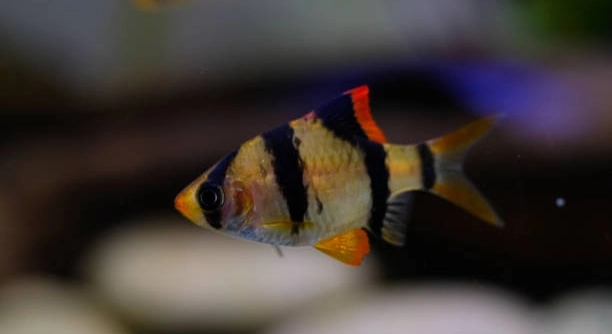
Moving barbs are small fish that often bring life and color to home aquariums. They can be lively and curious, but moving them can sometimes feel tricky or stressful. Proper care during the move helps keep them safe and healthy.
Successfully moving barbs without stress involves careful preparation, stable water conditions, and minimal handling. Transport should prioritize maintaining temperature, oxygen levels, and reducing sudden changes to prevent shock and injury.
Learning simple ways to ease the process can make a big difference for both you and your fish. This article shares practical tips to help your moving barbs settle comfortably in their new home.
Preparing Your Tank Before Moving
Before moving your barbs, it’s important to get their tank ready. Start by cleaning the tank, but don’t do a full water change right before moving. Keep about 70-80% of the old water in the tank to maintain familiar conditions. Remove any decorations that could break during the move, but leave plants and hiding spots that help fish feel secure. Make sure the tank equipment like filters and heaters are unplugged but ready to be packed safely. Preparing this way helps keep the environment stable for your fish and reduces stress when they arrive at their new location.
Packing the tank and fish carefully will make a big difference in their comfort.
Proper preparation protects your barbs from sudden changes in their surroundings.
Transporting Barbs Safely
Use a sturdy, sealed container for transporting your barbs. It should be clean and free from chemicals or residues. Fill the container about halfway with water from their tank to keep water quality consistent. Add an air stone or oxygen packet if the trip is long, as barbs need plenty of oxygen during transport. Keep the container in a stable position to avoid excessive shaking or temperature changes. Cover it with a towel to reduce light and keep the temperature steady. Avoid opening the container until you are ready to introduce the barbs to their new home.
During transport, it’s essential to minimize movement and keep the temperature stable to avoid stressing the fish.
Make sure to move them quickly but calmly, limiting the time they spend in the container. Temperature drops or rises can cause shock, so monitoring conditions is critical. Once you reach the new location, slowly acclimate your barbs to the new tank water by adding small amounts of the new water into the transport container over 20-30 minutes. This gradual adjustment helps prevent sudden changes in water chemistry that can harm the fish. Once acclimated, gently release the barbs into their new home without rinsing them or the water they came in. Following these steps helps keep your barbs safe and comfortable after moving.
Reducing Stress During Acclimation
Acclimation should be slow and steady to avoid shocking your barbs. Gradually mix their transport water with the new tank water in small amounts every few minutes. This helps the fish adjust to changes in temperature, pH, and other water conditions.
Slow acclimation reduces the risk of illness and stress. It allows the fish to become comfortable in their new environment without sudden changes that could harm them. Watching them closely during this time can help you notice any signs of distress early.
If your barbs seem restless or hide too much, give them time. Avoid feeding right away and keep the tank environment calm. Low lighting and minimal noise can help ease their transition and support a smooth adjustment period.
Monitoring Water Quality After Moving
Water quality can quickly change after a move, so keep a close eye on it. Test the water for ammonia, nitrites, nitrates, and pH regularly in the first few days. Use water conditioners if needed to keep harmful chemicals low and maintain safe conditions.
Keeping the water clean and stable is critical for your barbs’ health after moving. Even small fluctuations can stress fish, making them more prone to disease. Performing partial water changes carefully can help maintain water quality without causing sudden changes in the tank.
Remember to avoid overfeeding during this time, as leftover food can pollute the water. Feeding smaller amounts helps reduce waste buildup. Maintaining a healthy tank environment will help your barbs settle in and thrive after their move.
Keeping the Environment Calm
Keep the tank environment calm after moving your barbs. Avoid loud noises and sudden movements near the tank. Dim the lights for a few days to help the fish feel safe and reduce stress.
A quiet and stable space helps your barbs settle faster. They are sensitive to changes, so maintaining calm surroundings supports their recovery and adjustment.
Feeding Tips Post-Move
Feed your barbs small amounts after the move. Overfeeding can pollute the water and stress the fish. Start with light feeding once they show signs of normal activity, usually a day or two after settling in. Monitor their appetite and adjust accordingly to keep them healthy.
Observing Behavior Changes
Watch for any changes in your barbs’ behavior after moving. Restlessness, hiding, or loss of appetite can be signs of stress or illness. Early detection helps you address problems before they worsen.
Avoid Overhandling
Limit handling your barbs during and after the move. Excessive handling can cause stress and injury. Let them adjust on their own and interact with their environment quietly.
FAQ
How long can barbs stay in a transport container?
Barbs can stay safely in a transport container for several hours, usually up to 6-8 hours, if the water is well-oxygenated and the temperature is stable. For longer trips, adding oxygen packets or air stones helps keep the water fresh. Avoid keeping them in the container longer than necessary to reduce stress and risk of water quality decline.
What is the best water temperature for moving barbs?
Keeping the water temperature steady is key during transport. Ideally, maintain a temperature between 74°F and 78°F (23°C to 26°C), which matches their normal tank environment. Sudden changes in temperature can shock barbs, so avoid exposing them to extreme heat or cold while moving.
Can I move barbs without their tank water?
Using some of the tank water in the transport container is important. It keeps the water chemistry familiar, reducing shock. If you can’t bring tank water, use conditioned water with matching temperature and pH. However, bringing some original tank water is always best for a smoother transition.
How do I help barbs recover after moving?
After moving, provide a calm environment with stable water conditions. Avoid bright lights, loud noises, and sudden disturbances. Feed small amounts only after barbs start eating again naturally. Test water quality daily and do gentle partial water changes if needed. Watching behavior closely will help catch any health issues early.
Is it normal for barbs to hide after moving?
Yes, barbs often hide when they feel stressed or unsure. Hiding is a natural behavior that helps them feel safe. Give them time and keep the environment quiet. If hiding continues for more than a week or if other symptoms like loss of appetite appear, check water quality and consider consulting an expert.
How often should I test the water after moving barbs?
Testing water daily for at least the first week after moving helps catch any dangerous changes early. Focus on ammonia, nitrite, nitrate, and pH levels. Promptly address any spikes or drops with water treatments or partial water changes to maintain a healthy tank environment.
Can barbs get sick from moving stress?
Yes, stress from moving weakens their immune system, making barbs more vulnerable to infections and illnesses. Common problems include fin rot, ich, or bacterial infections. Keeping water clean, stable, and monitoring behavior helps reduce these risks. Early treatment is important if signs of illness appear.
Should I quarantine barbs before or after moving?
Quarantining barbs before moving is ideal if possible. It helps catch any illnesses before introducing them to a new tank. After moving, observe barbs closely for at least two weeks for any signs of sickness or stress. Quarantine is especially important when adding new fish to an established tank.
What equipment is necessary for moving barbs?
You’ll need a clean, secure container for transport, a method to keep water oxygenated (air stones or oxygen packets), water conditioner, and a thermometer to monitor temperature. Packing towels or insulation can help maintain stable temperature during transport.
How do I handle barbs safely during a move?
Handle barbs gently and as little as possible. Use a soft net to transfer them quickly into the transport container. Avoid squeezing or stressing the fish. Minimizing handling reduces the risk of injury and stress, making the move easier for the fish.
Moving barbs can be a smooth process when done with care and attention. The key is to keep their environment as stable as possible throughout the move. Preparing the tank properly before transport, using clean water from their original tank, and controlling the temperature all help reduce stress on the fish. When the barbs feel safe and comfortable, they are less likely to become sick or act unusually. Taking time to plan each step will make the entire experience easier for both the fish and you.
After the move, patience is important. Barbs may hide or act differently as they get used to their new surroundings. This is normal and usually temporary. Keeping the tank calm and quiet, with low lighting and minimal disturbances, helps them adjust. Feeding should be light at first until they show interest in food again. Regularly checking water quality during this period will help you catch any problems early. Healthy water and a peaceful environment are the best support you can give your barbs after relocating.
Remember, moving barbs without stress takes practice and care. It’s not just about the transport but how you prepare and care for the fish before, during, and after the move. Watching their behavior closely and maintaining stable tank conditions makes a big difference. With these steps in place, your barbs can thrive and bring vibrant life to their new home. Taking your time and following good practices will help ensure their health and happiness for a long time.

Hello,
If you enjoy the content that we create, please consider saying a "Thank You!" by leaving a tip.
Every little bit helps us continue crafting quality advice that supports the health, happiness, and well-being of pets around the world, for pets of all shapes, sizes, and species.
We really appreciate the kindness and support that you show us!