
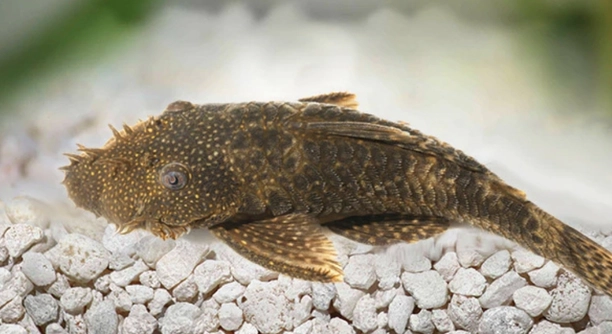
Are your tank plecos causing more trouble than you expected? Many aquarium owners struggle with keeping their plecos from damaging plants, decorations, and other tank inhabitants. Here are a few simple ways to make your tank pleco-proof.
The best way to prevent plecos from damaging your tank setup is by ensuring they have appropriate hiding spaces, using durable tank decorations, and choosing the right plants. Consider adding harder materials and offering enough food to reduce their grazing behavior.
From selecting the right tank decorations to ensuring plecos are well-fed, these tips will help create a balanced and stress-free environment for your aquarium.
Create Enough Hiding Spaces for Your Plecos
Plecos can be curious and sometimes a bit destructive, especially if they don’t feel secure. Providing them with hiding spots is one of the most effective ways to keep them from nibbling on your plants or decorations. You can use caves, rocks, or driftwood to create these spaces. These structures give plecos a place to retreat to when they need rest or feel threatened, which can help reduce stress and protect your aquarium setup.
Plecos will often seek out shaded areas or places to hide. When they feel comfortable and safe, they are less likely to damage the things around them.
Adding multiple hiding spots throughout the tank ensures that each pleco, if you have more than one, has its own space. This also helps them maintain their territories and keeps them from feeling overcrowded or agitated, reducing their need to destroy things in search of shelter.
Choose Durable Decorations for Your Tank
Using durable materials for your decorations can save you from constant repairs. Opt for aquarium-safe rocks, ceramics, or resin items that can withstand the occasional pleco nibble without breaking down.
Soft decorations made of plastic or wood may not hold up well to a pleco’s scraping. This damage can cause pieces to disintegrate, leading to potential water quality issues and frustrating maintenance.
If you want to keep your aquarium looking pristine, it’s best to invest in decorations that are both attractive and long-lasting. High-quality materials will last longer and be less tempting for plecos to damage. Stronger materials also help prevent the plecos from scraping too much against surfaces, which can also harm their delicate fins. In addition, durable decorations won’t need constant replacements, saving you time and money.
Offer Plenty of Food to Satisfy Their Appetite
Plecos are natural grazers and will often chew on plants or decorations if they feel hungry. To prevent this, it’s important to provide them with enough food. Adding algae wafers, vegetables like zucchini or cucumber, and even occasional protein-rich foods can help keep them full.
The more variety you offer, the less likely they’ll turn to your plants for snacks. Plecos also enjoy sinking food, which mimics their natural feeding habits. By feeding them at the same time each day, you can establish a routine that helps avoid unwanted behaviors, like nibbling on your tank’s decor.
It’s also important to ensure the food is suitable for plecos and placed in areas where they can easily access it. Be mindful of their specific dietary needs and feed them the appropriate amount to prevent overfeeding or underfeeding. Consistent feeding helps them feel satisfied, lessening their tendency to graze on plants or surfaces.
Regular Maintenance to Keep Things Clean
Regular maintenance is essential in preventing plecos from becoming overly interested in your tank decorations. Clean the tank at least once a week to remove algae buildup that can attract them.
When algae begins to form on decorations, it may tempt your plecos to start grazing on them, which could lead to damage over time. Clean the glass, decorations, and any other surfaces with aquarium-safe tools, and replace the water regularly to keep things fresh. A clean tank is less likely to have excess algae growth, reducing the plecos’ urge to nibble.
Maintaining proper water quality is also crucial. Dirty water can stress plecos, causing them to search for food or shelter in ways that damage your tank. Ensure your filtration system is working well and change the water as needed to keep everything in balance.
Select Hardier Plants for Your Tank
Not all plants can withstand a pleco’s nibbling. Soft, delicate plants are often damaged by plecos scraping or grazing on them. Choose hardier, tougher plants like anubias, Java fern, or hornwort, which are more resistant to wear.
These plants are also easier to maintain and often grow well in most aquarium environments. Plecos are less likely to destroy these stronger plants, allowing them to thrive without being constantly damaged. By selecting the right plants, you not only protect your aquascape but also create a more balanced and sustainable tank for all your tank’s residents.
Install Proper Tank Covers
A proper tank cover is a simple but effective way to reduce pleco-related problems. A cover keeps plecos from jumping out and limits their access to unwanted areas.
A secure lid also prevents debris and dirt from entering the tank, helping to maintain water quality and cleanliness. It keeps everything in place and reduces the likelihood of messes that can attract plecos to areas they shouldn’t be. This small investment can make a big difference in reducing their need to explore or damage certain tank features.
Monitor Tank Temperature Regularly
Consistent water temperature plays a key role in reducing stress for plecos. Extreme temperature fluctuations can make them anxious and cause them to behave erratically.
Maintaining a stable temperature range within the pleco’s preferred zone encourages a healthier, more relaxed environment. A pleco that’s comfortable in its surroundings will be less likely to cause damage or display destructive behavior. Use a reliable thermometer to monitor the water temperature and adjust heaters as necessary.
FAQ
What type of plants are plecos most likely to damage?
Plecos are known to damage soft, delicate plants such as mosses or small-leafed varieties. Plants like Amazon swords or water lettuce can be easily grazed by plecos, especially if they’re hungry. In contrast, plants like Java fern, anubias, and hornwort are tougher and can withstand pleco feeding better.
Plecos naturally enjoy eating algae, and if algae is scarce in the tank, they may start nibbling on plants. These tougher plants are better at surviving the occasional nibble and won’t be as easily destroyed by plecos trying to satisfy their hunger. Choosing the right plants not only benefits your plecos but also helps maintain the aesthetic of your aquarium.
How often should I feed my pleco?
It’s important to feed your pleco once or twice a day, but the quantity should be controlled to avoid overfeeding. Plecos are bottom dwellers and often prefer to graze, so offering food at the same time each day can help establish a feeding routine.
By sticking to a consistent feeding schedule, your plecos will feel more satisfied and won’t feel the need to graze on plants or decorations. Feeding them too little may lead to them searching for alternative food sources in the tank, while overfeeding can lead to poor water quality. Regular feeding helps keep them healthy and prevents destructive behavior.
Do plecos need a lot of space in their tank?
Yes, plecos need ample space to swim, explore, and establish their own territory. Even though they are bottom dwellers, they are active and enjoy moving around the tank. A minimum of a 30-gallon tank is recommended for a single pleco, with larger tanks needed for more than one.
Giving plecos enough space to swim freely reduces stress, which can sometimes lead to destructive behavior. They also tend to create their own hiding spots, so a larger tank allows them the freedom to choose where they feel most comfortable. The more room they have, the more likely they are to act naturally without causing issues with your tank setup.
Can plecos live with other fish?
Yes, plecos can generally live with a variety of other fish species. They are peaceful creatures, especially when they have enough space and resources. However, they should not be housed with overly aggressive or territorial fish that may cause them stress.
Plecos do best in community tanks with other peaceful species, but you should ensure they have enough hiding places. They might be timid around more active fish and may retreat to their shelters. Avoid placing them with smaller, delicate fish that could be stressed by the pleco’s size or feeding habits.
What is the best way to reduce pleco damage to decorations?
To minimize pleco damage to decorations, select durable, aquarium-safe materials for your tank setup. Ceramic, resin, and natural rocks work well since they are less likely to be damaged by plecos compared to softer materials like plastic or wood.
Additionally, offering plecos enough food, hiding spaces, and plants to graze on will reduce their need to chew on decorations. Keeping your tank clean will also help, as plecos tend to nibble on surfaces with algae growth. Proper maintenance prevents them from targeting your decorations out of hunger or boredom.
How can I prevent my pleco from jumping out of the tank?
Plecos are not known to jump often, but it can happen, especially if the tank water conditions change suddenly. The best way to prevent this is to install a tight-fitting tank lid or cover. This will prevent any risk of your pleco escaping or coming into contact with dangerous conditions outside the tank.
A secure cover also helps maintain stable water conditions, keeping debris and dust from falling into the water. If your pleco is particularly active, make sure there’s no gap or space in the cover that could allow it to jump out. A simple mesh or glass cover is all you need.
What size tank is ideal for a pleco?
Plecos need a spacious tank to thrive. While a small pleco may be okay in a 30-gallon tank, larger plecos, such as the common pleco, require tanks of at least 75 gallons. Overcrowding can lead to stress and unwanted behaviors like damage to decorations and plants.
It’s essential to account for the pleco’s growth potential when choosing a tank size. Common plecos can grow quite large, and a small tank won’t be suitable long-term. Even smaller plecos, like bristlenose, need room to roam and establish territories. A well-sized tank ensures that your pleco remains healthy and content.
Are plecos aggressive?
Plecos are generally peaceful and non-aggressive. They are nocturnal creatures and typically prefer to keep to themselves. However, in smaller or overcrowded tanks, they may become stressed and display aggressive behaviors. Plecos may also get territorial if they feel their space or food is being threatened by other fish.
To prevent aggression, it’s important to provide enough hiding spots, keep water quality in check, and ensure the tank is not overcrowded. Plecos are less likely to display aggression if they feel secure in their environment and aren’t competing for resources.
Can plecos be kept in a tank with snails?
Yes, plecos and snails can generally live together in the same tank. Plecos often help control algae growth, while snails may help clean up leftover food. However, it’s essential to monitor both species to ensure they coexist peacefully. Plecos won’t typically bother snails, but larger plecos might accidentally disturb them while foraging.
It’s important to choose snails that can handle the presence of plecos, as certain species might not be suited for a tank with plecos due to differences in habitat or water requirements. Keeping an eye on their interactions will help prevent any issues.
What kind of filter do plecos need?
Plecos are messy eaters, which means they produce a lot of waste. A strong filtration system is necessary to keep the water clean and maintain a healthy environment. Canister filters or sponge filters are both good options, as they provide efficient filtration without disturbing the pleco’s movements.
The filter should be sized appropriately for the tank’s volume and should provide enough flow to remove waste and debris effectively. Keep the filter clean and well-maintained to ensure your pleco’s environment remains optimal. Proper filtration prevents the buildup of harmful substances in the water, which can affect your pleco’s health.
Final Thoughts
Making your tank pleco-proof is about creating a balanced environment where your plecos can thrive while protecting your plants, decorations, and other tank residents. The tips shared in this article aim to reduce the risk of plecos damaging your setup, whether it’s through feeding them enough or choosing the right materials for your tank. Ensuring they have plenty of food and hiding spaces helps keep them satisfied, which can reduce the urge to nibble on things that aren’t meant to be eaten.
Regular maintenance is also essential to keep things in check. Cleaning the tank, monitoring the water quality, and ensuring that your filter is working properly will help your plecos stay healthy and prevent them from causing unwanted damage. If your pleco has plenty of algae or food to graze on, they’ll be less likely to target your plants or decorations. Having the right plants that can handle a bit of nibbling can also go a long way in keeping your aquarium intact.
Lastly, remember that plecos are naturally peaceful creatures, but they still require enough space and the right environment to flourish. The more you can mimic their natural habitat and make them feel safe, the less likely they are to cause trouble. By choosing durable decorations, creating hiding spaces, and keeping the water clean, you can enjoy your plecos without worrying about the damage they might cause to your aquarium setup.

Hello,
If you enjoy the content that we create, please consider saying a "Thank You!" by leaving a tip.
Every little bit helps us continue crafting quality advice that supports the health, happiness, and well-being of pets around the world, for pets of all shapes, sizes, and species.
We really appreciate the kindness and support that you show us!