
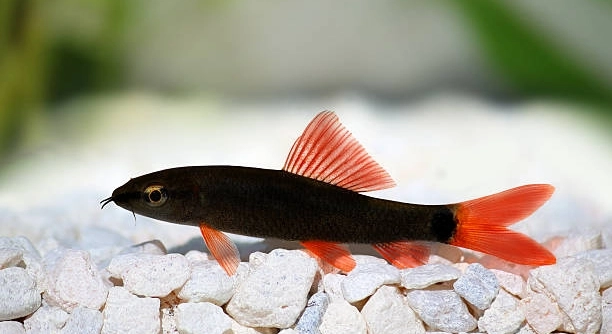
Caring for a rainbow shark means creating an environment that feels like home. Many aquarists want their tanks to look natural and comfortable for their fish. This helps the fish stay healthy and behave naturally.
To make a rainbow shark’s tank more natural, focus on replicating its native habitat. Use smooth substrate, live plants, proper lighting, and hiding spots to mimic river conditions. Balanced water parameters and gentle filtration also contribute to a healthier, natural setup.
These tips will help you build a tank where your rainbow shark can thrive and show its best behavior.
Choosing the Right Substrate
The substrate in your rainbow shark’s tank plays an important role in creating a natural environment. In the wild, these fish live over soft riverbeds, so smooth gravel or sand works best. Sharp or rough substrates can hurt their delicate undersides as they swim and rest. A fine gravel or sand base also encourages natural foraging behavior, as rainbow sharks often sift through the bottom looking for food. Choosing the right substrate helps keep the tank clean because waste doesn’t get trapped as easily in finer material. This makes maintenance simpler and keeps water quality stable. Using natural colors like brown, tan, or muted gray can help the tank feel more like a natural river setting. Bright or unnatural colors may stress the fish or make the tank look less realistic. Overall, the substrate is a simple but essential step to improving your tank’s natural feel and your rainbow shark’s comfort.
Smooth, fine gravel or sand protects the fish and encourages natural behavior while keeping the tank easier to maintain.
Choosing a natural-colored substrate supports a calm environment for your rainbow shark. It encourages the fish to behave as it would in the wild. Additionally, fine substrate allows for gentle water flow and helps beneficial bacteria grow, which aids in breaking down waste. Keeping the substrate clean is easier when particles don’t get stuck deeply, making weekly or biweekly cleaning less stressful for your fish. Avoid substrates that are too coarse or brightly colored, as these can interfere with the tank’s overall harmony. Selecting the right substrate is a small change that makes a big difference in making your rainbow shark’s tank more natural and comfortable.
Adding Live Plants and Decorations
Live plants improve water quality by absorbing nitrates and producing oxygen. They also offer hiding spots that reduce stress for your rainbow shark. Choose hardy plants like Java fern or Anubias that can handle moderate light and flow. Decorations should be smooth and natural-looking, like driftwood or river stones, to provide shelter and resting places without sharp edges. Avoid plastic plants or bright, unnatural colors that can cause stress. Adding plants and decorations not only enhances the tank’s appearance but also promotes healthy behavior by mimicking the fish’s natural environment. These elements create a balanced ecosystem that supports your fish’s wellbeing over time. Be sure to arrange plants and decorations so there is open swimming space for your rainbow shark to move comfortably.
Plants and natural decorations create shelter and improve water conditions, helping your rainbow shark feel more at home.
A well-planted tank mimics a rainbow shark’s natural river habitat, offering places to hide and explore. Live plants help balance the tank’s ecosystem by filtering the water and providing oxygen. Driftwood and smooth stones add structure, making the environment more engaging for the fish. Together, these elements reduce stress and encourage natural behaviors such as grazing and resting. Proper arrangement is key to keep swimming areas open and avoid overcrowding. Regular care for plants ensures they stay healthy and continue to benefit the tank. This approach helps maintain a cleaner, healthier tank while making your rainbow shark’s habitat look closer to nature.
Maintaining Proper Water Conditions
Rainbow sharks thrive in slightly acidic to neutral water, with a pH between 6.5 and 7.5. Stable temperature around 74 to 79°F (23 to 26°C) is important for their comfort and health.
Keeping water parameters consistent prevents stress and illness. Regular testing of pH, ammonia, nitrites, and nitrates helps catch problems early. Partial water changes of about 20-25% weekly keep the tank clean and reduce toxins. Avoid sudden changes in temperature or chemistry, as rainbow sharks are sensitive to rapid shifts. Using a reliable heater and filter designed for gentle flow helps maintain stable conditions. Clean the filter regularly but avoid replacing all media at once to preserve beneficial bacteria.
A good water conditioner removes chlorine and chloramine from tap water, making it safe. Use a thermometer to monitor temperature closely. Clear water with balanced chemistry supports natural behavior and vibrant colors in your rainbow shark.
Providing Appropriate Tank Size and Space
Rainbow sharks need space to swim freely because they are active and territorial. A tank of at least 30 gallons is recommended for one fish. More space reduces stress and aggression. Overcrowding leads to poor water quality and behavior issues. Larger tanks allow better decoration and plant placement, which mimic natural habitats and improve fish wellbeing.
Providing enough space supports natural movement and exploration. Avoid tight setups that restrict swimming or hideouts, as this causes frustration. Open swimming areas combined with scattered shelters create a balanced environment. This also makes cleaning easier and prevents rapid toxin buildup. A spacious tank encourages your rainbow shark to display its full range of natural behaviors and colors. It also allows for compatible tank mates, reducing territorial disputes. Proper tank size is key to a healthy, natural home for your rainbow shark.
Choosing the Right Lighting
Natural lighting helps plants grow and keeps your rainbow shark active. Use moderate light levels that mimic daylight without being too harsh or too dim. Avoid direct sunlight, which can cause algae growth and stress the fish.
LED lights with adjustable settings work well. A timer helps keep a consistent day-night cycle, supporting the fish’s natural rhythm and plant health.
Feeding Your Rainbow Shark Properly
Rainbow sharks are omnivores and need a balanced diet. Offer sinking pellets or wafers as their staple food. Supplement with live or frozen foods like bloodworms or brine shrimp to provide variety and nutrition. Avoid overfeeding, which can pollute the tank and harm water quality. Feed small amounts once or twice daily, only as much as they can eat in a few minutes. Feeding a healthy diet supports natural behavior and vibrant colors.
Regular Tank Cleaning
Regular cleaning keeps the environment healthy and natural. Remove uneaten food and debris often. Partial water changes keep toxins low and water clear.
FAQ
How often should I change the water in my rainbow shark’s tank?
Water changes should happen weekly or every two weeks, depending on tank size and stocking levels. A 20-25% water change is usually enough to keep water quality high without stressing the fish. Regular changes help remove waste, excess nutrients, and toxins that build up over time. Always treat tap water with a conditioner before adding it to the tank. Avoid changing too much water at once, as this can shock your rainbow shark and disrupt beneficial bacteria in the filter.
What type of filter is best for a rainbow shark tank?
A gentle filter with moderate flow works best. Rainbow sharks prefer calm waters, so avoid strong currents that might tire them out. Canister filters or hang-on-back filters with adjustable flow are good choices. Make sure the filter provides good mechanical, biological, and chemical filtration. Regularly clean the filter media but avoid replacing it all at once to preserve helpful bacteria. Proper filtration helps maintain clear water and stable conditions, which are essential for your fish’s health.
Can I keep multiple rainbow sharks together?
Rainbow sharks can be territorial, especially as they grow. In small tanks, it’s best to keep only one to avoid fighting. In larger tanks of 55 gallons or more, you might house two or three, but provide plenty of hiding spaces and visual barriers. Watch for signs of aggression and separate fish if needed. Adding other peaceful fish species can help diffuse territorial behavior, but avoid overly aggressive or slow-moving fish that might get bullied.
What plants are safe and easy to keep with rainbow sharks?
Hardy plants like Java fern, Anubias, and Amazon sword are great choices. They tolerate moderate light and do well in typical aquarium conditions. These plants have tough leaves that rainbow sharks usually don’t nip at. Floating plants can also add shade and reduce stress. Live plants improve water quality by absorbing nitrates and provide natural hiding spots. Avoid fragile or soft-leafed plants that might be damaged by the fish.
Why is my rainbow shark hiding all the time?
Hiding can mean the fish feels stressed, scared, or unwell. Check water quality and temperature first to make sure conditions are stable. Poor water or wrong temperature can cause discomfort. Hiding may also happen if there’s bullying from tank mates or lack of proper hiding spots. Adding more plants and decorations helps the fish feel secure. If your rainbow shark continues to hide, observe for signs of illness and consider consulting an aquatic specialist.
What do I do if my rainbow shark shows signs of illness?
Signs like faded colors, lethargy, clamped fins, or unusual spots should not be ignored. Test water parameters to rule out poor water quality. Quarantine the fish if possible to prevent spreading disease. Many common issues respond well to treatments available at pet stores, but it’s important to identify the problem correctly. If uncertain, ask a vet or aquarium professional for advice. Early treatment increases the chances of recovery.
Is it normal for rainbow sharks to jump out of the tank?
Yes, rainbow sharks are known jumpers. To prevent accidents, keep a tight-fitting lid on the tank. This protects your fish and maintains stable humidity and temperature inside. Jumping often happens due to stress, poor water quality, or if the fish is startled. Keeping the tank environment comfortable and calm reduces the chance of jumping.
How often should I feed my rainbow shark?
Feed small amounts once or twice a day, enough that your fish can finish the food in a few minutes. Overfeeding leads to poor water quality and health problems. Remove any uneaten food promptly. A varied diet of pellets and occasional live or frozen foods ensures balanced nutrition. Stick to a consistent feeding schedule to keep your rainbow shark healthy and active.
Final Thoughts
Creating a natural environment for your rainbow shark is important for its health and happiness. When the tank resembles the fish’s natural habitat, it reduces stress and encourages natural behavior. Using smooth substrate like sand or fine gravel, adding live plants, and choosing gentle filtration all contribute to a more comfortable home. Maintaining stable water conditions and proper temperature helps keep your rainbow shark strong and active. These small changes make a big difference in the quality of life your fish experiences.
It is also important to provide enough space for your rainbow shark to swim and explore. A tank that is too small can cause stress and aggressive behavior. By giving your fish plenty of room, you allow it to move naturally and reduce territorial disputes. Proper feeding and regular tank cleaning keep the water clean and the fish healthy. Watching your rainbow shark thrive in a well-kept, natural setting is very rewarding. It shows how thoughtful care benefits both the fish and the overall tank environment.
Remember that creating a natural tank is an ongoing process. Regular maintenance, water testing, and observing your fish will help you make adjustments as needed. It is normal to learn and improve over time. Every tank is different, and what works well for one setup may need tweaking in another. By staying patient and attentive, you ensure your rainbow shark lives in a healthy, balanced habitat. This approach leads to a happier fish and a more enjoyable aquarium for you.

Hello,
If you enjoy the content that we create, please consider saying a "Thank You!" by leaving a tip.
Every little bit helps us continue crafting quality advice that supports the health, happiness, and well-being of pets around the world, for pets of all shapes, sizes, and species.
We really appreciate the kindness and support that you show us!