
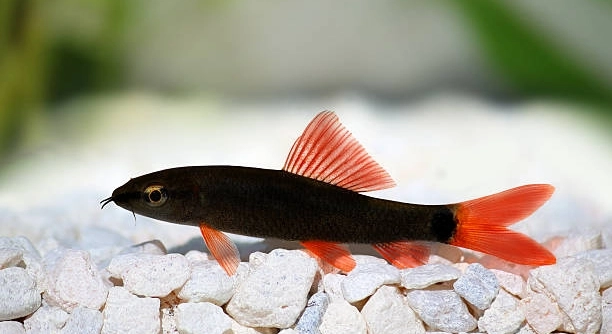
Is your rainbow shark acting skittish, hiding too often, or not thriving the way you hoped it would in your aquarium?
Creating a more comfortable tank for your rainbow shark involves providing enough space, hiding spots, and consistent water conditions. These freshwater fish thrive in stable, well-maintained environments with low stress and minimal territorial conflict.
Small adjustments can help your rainbow shark feel more secure, healthy, and active in its aquatic space.
Choose the Right Tank Size
A rainbow shark needs more space than many first-time fish keepers expect. These active fish enjoy swimming and often become territorial when cramped. A tank that’s too small can cause stress, aggression, and even health issues. A 55-gallon tank is ideal for a single rainbow shark. This allows them to claim territory without constantly running into other fish or tank walls. It also gives you more flexibility with décor, plants, and hiding places, which they love. A larger tank helps maintain stable water parameters too, which is important for keeping your fish calm and thriving long-term.
A tank that’s too small can lead to stress and fighting, especially if there are other fish in the same space.
Make sure your tank is at least 48 inches long. Rainbow sharks like to swim horizontally and need space to move. The extra room also helps reduce aggression toward tank mates and minimizes territorial behavior.
Create Plenty of Hiding Spots
Hiding places help rainbow sharks feel safe and less exposed.
Use driftwood, smooth rocks, or caves to build multiple hiding spots across the tank. Avoid sharp or rough decorations that could injure your fish. Plants—real or artificial—add a natural feel and help break up lines of sight, which can reduce aggression. When rainbow sharks feel they have enough cover and space, they tend to be calmer. Spread out these shelters so one area doesn’t become overly dominant or contested. You can also create shaded zones using floating plants or taller greenery. This gives your fish options, especially during their more active or anxious moments. A balanced layout not only supports your shark’s well-being but also creates a visually appealing aquarium.
Maintain Stable Water Conditions
Rainbow sharks are sensitive to sudden changes in water quality. Keep the temperature between 75–81°F, with a pH of 6.5 to 7.5. Use a reliable heater and test the water weekly to avoid unexpected spikes. Stability is more important than chasing exact numbers.
Use a filter that matches your tank size and provides enough circulation without creating strong currents. Ammonia and nitrite should always be at zero, while nitrates should stay below 20 ppm. Perform partial water changes of 25% every week to keep the tank clean. Overfeeding can pollute the water, so feed only what your shark can finish in a couple of minutes. Consistency in routine makes a big difference in your fish’s comfort.
Stick to a schedule for water testing and maintenance. When water parameters fluctuate too much, rainbow sharks may hide, become aggressive, or lose their appetite. A calm, stable tank helps them stay active and healthy.
Select Compatible Tank Mates
Choose tank mates that are fast, calm, and can defend themselves without being aggressive. Avoid bottom dwellers or slow swimmers, as rainbow sharks may chase them. Mid-to-top dwellers are usually better companions.
Good options include barbs, danios, gouramis, and rainbowfish. Avoid other shark-like fish or anything with a similar body shape, as this can trigger territorial aggression. Give tank mates plenty of hiding spaces and swimming room. If your rainbow shark becomes too dominant, consider adding visual barriers or rearranging decorations to break up its territory. Monitor all fish closely after introducing new tank mates. Even compatible species can clash in a small or poorly set up tank. If tension rises, it’s best to rehome one of the fish or upgrade the tank. Comfort depends on giving each fish enough space and the right kind of environment.
Avoid Bright Lights and Loud Noises
Bright lights can make rainbow sharks feel exposed and stressed. Use low to moderate lighting and add floating plants to create shaded areas. A calmer lighting setup helps reduce nervous behavior and keeps your shark more relaxed throughout the day.
Keep the tank away from loud speakers, slamming doors, or heavy foot traffic. Sudden noises and vibrations can startle your rainbow shark, making it hide more often. A quiet, peaceful space encourages normal activity and a more stable mood.
Feed a Balanced, Varied Diet
Offer a mix of sinking pellets, algae wafers, and frozen or live foods like bloodworms or brine shrimp. Rainbow sharks are omnivores, so variety supports their overall health and encourages natural foraging behavior. Feed them once or twice a day in small amounts they can finish quickly. Uneaten food should be removed to keep the water clean. Changing up their meals occasionally also prevents boredom and keeps them more active during feeding times. With a consistent, well-rounded diet, your rainbow shark is more likely to stay healthy and show vibrant colors.
Keep the Tank Covered
Rainbow sharks may jump when startled or stressed. Always use a tight-fitting lid or tank cover to keep them safe.
FAQ
How often should I change the water in my rainbow shark’s tank?
Regular water changes are essential for a healthy tank environment. Perform a 25% water change every week to keep nitrate levels low and remove excess waste. This helps prevent stress and illness in your rainbow shark. If your tank is heavily stocked or feeding is frequent, you may need to increase the frequency or volume of water changes. Always treat tap water with a dechlorinator before adding it to the tank.
Can rainbow sharks live with other fish?
Yes, but tank mates must be chosen carefully. Rainbow sharks can be territorial and aggressive, especially in small tanks. Choose peaceful, fast-swimming fish that occupy different tank levels, such as danios, barbs, or rainbowfish. Avoid other bottom dwellers or similar-shaped fish to reduce competition. Provide plenty of hiding spots and space to prevent conflict. Monitor behavior closely when introducing new fish to avoid stress and aggression.
What do rainbow sharks eat?
Rainbow sharks are omnivores, so their diet should include both plant and animal matter. Feed sinking pellets designed for omnivorous fish, supplemented with algae wafers and occasional frozen or live foods like bloodworms or brine shrimp. Feeding should be once or twice daily in small portions. Remove any uneaten food to maintain water quality and prevent health problems. A varied diet supports their vibrant coloration and overall health.
Why is my rainbow shark hiding all the time?
Hiding can indicate stress, illness, or poor water conditions. Check water parameters for ammonia, nitrite, nitrate levels, and temperature. Ensure the tank size is appropriate and that your shark has enough hiding spots but also enough open swimming space. Aggressive tank mates or frequent disturbances can also cause hiding. Adjust the environment and tank mates if necessary to help your rainbow shark feel safe and comfortable.
Is it normal for rainbow sharks to be aggressive?
Some aggression is normal due to their territorial nature, especially toward other bottom-dwelling fish or similar species. However, excessive aggression often results from overcrowding, inadequate space, or lack of hiding places. Maintaining proper tank size, layout, and compatible tank mates can minimize fights. If aggression persists, consider separating aggressive individuals or upgrading the tank.
How large do rainbow sharks get?
Rainbow sharks typically grow to about 6 inches (15 cm) in length. They need a tank large enough to swim freely and establish territories, which means a minimum of 55 gallons is recommended. Keeping them in smaller tanks can stunt growth and increase stress levels. Proper care and tank size help them reach their full size and maintain health.
Can rainbow sharks live in a community tank?
Yes, with proper planning and space, rainbow sharks can live in community tanks. Ensure tank size is large enough to provide territories and reduce stress. Select peaceful, fast-moving fish that do not compete for the same space. Avoid slow or bottom-dwelling fish that may be bullied. Adding plenty of hiding spots and decorations can help maintain harmony among species.
How do I know if my rainbow shark is healthy?
A healthy rainbow shark is active, eats well, and shows bright, even coloration. It should swim confidently and explore the tank without excessive hiding. Watch for signs like faded colors, lethargy, erratic swimming, or loss of appetite, which may indicate health issues. Regular water testing and maintenance are key to keeping your fish healthy.
What water parameters are best for rainbow sharks?
Maintain water temperature between 75°F and 81°F (24°C–27°C). The pH should be slightly acidic to neutral, around 6.5 to 7.5. Ammonia and nitrite must be at zero, with nitrates kept under 20 ppm. Stable parameters are more important than exact numbers, so consistent testing and gradual adjustments are necessary.
Why does my rainbow shark have faded colors?
Faded colors often result from stress, poor diet, or inadequate water conditions. Make sure the tank is large enough, water quality is good, and diet is varied with proper nutrition. Excessive light or aggression from tank mates can also cause color loss. Improving these factors usually restores the fish’s vibrant colors over time.
Creating a comfortable environment for your rainbow shark is key to helping it thrive. These fish need enough space to swim freely and establish their territory. A tank that is too small or overcrowded can cause stress and aggressive behavior. Providing hiding spots and decorations helps your rainbow shark feel safe and less exposed. When the fish has places to retreat and explore, it is more likely to be calm and active. Choosing the right tank size and layout makes a big difference in their well-being.
Maintaining stable water conditions is just as important as the physical setup of the tank. Rainbow sharks are sensitive to changes in temperature, pH, and water quality. Regular water testing and partial water changes keep the environment healthy and reduce stress. Using a good filtration system prevents waste buildup and helps maintain clean water. Feeding your rainbow shark a varied diet supports its health and coloration. Avoid overfeeding, as leftover food can pollute the tank and cause problems. Consistency in maintenance routines helps your fish stay strong and lively.
Selecting appropriate tank mates is another factor to consider when creating a comfortable home for your rainbow shark. Choose fish that are peaceful, fast-moving, and occupy different areas of the tank. Avoid species that share similar shapes or bottom-dwelling habits to prevent territorial fights. Monitor behavior closely, especially after introducing new fish, and be ready to adjust if aggression arises. Lastly, ensure your tank is covered to prevent jumping accidents, and keep lighting and noise levels low. These steps will help your rainbow shark live a healthier, less stressful life in your aquarium.

Hello,
If you enjoy the content that we create, please consider saying a "Thank You!" by leaving a tip.
Every little bit helps us continue crafting quality advice that supports the health, happiness, and well-being of pets around the world, for pets of all shapes, sizes, and species.
We really appreciate the kindness and support that you show us!