
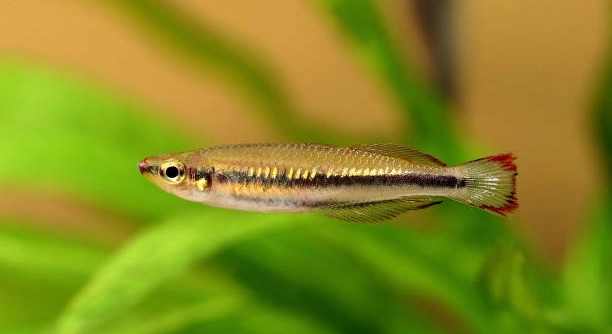
Keeping fish in an aquarium can be relaxing, but it can also be tricky to manage their daily behavior. Observing unusual swimming patterns or changes in activity can signal issues that need attention quickly.
Maintaining stable fish behavior requires consistent water quality, appropriate feeding schedules, proper tank size, and suitable companions. Regular monitoring and environmental adjustments help minimize stress and promote natural, healthy activity patterns, ensuring overall well-being for the aquatic population.
Understanding these basic steps can make caring for your fish easier and more rewarding, helping them thrive in a calm and balanced environment.
Keep the Water Clean
Keeping the water clean is one of the most important steps to maintain stable fish behavior. Dirty water can cause stress, reduce oxygen levels, and lead to illness. Regular water changes, proper filtration, and testing for ammonia, nitrite, and nitrate levels are essential. Even small accumulations of waste can affect your fish, making them lethargic or causing unusual swimming patterns. It’s helpful to remove uneaten food quickly and vacuum the substrate regularly. Using a reliable water conditioner can neutralize chlorine and other harmful chemicals. Consistency is key, so maintain a regular cleaning schedule that suits the size and type of your tank. Keeping decorations and plants clean also prevents harmful bacteria growth. Stable water conditions help fish feel secure and support natural behaviors. Over time, well-maintained water encourages healthy feeding, interaction, and activity, which are indicators of good overall fish health.
Regular cleaning supports a calm environment and reduces stress, helping your fish stay active and healthy.
Clean water improves fish health and behavior by keeping harmful substances low. Consistent monitoring allows early detection of issues. A properly filtered and aerated tank ensures oxygen levels remain stable, reducing erratic swimming. Fish are sensitive to changes in their environment, so maintaining stable pH and temperature is critical. Avoid overfeeding to prevent waste buildup, which can compromise water quality. Even minor fluctuations in water parameters can stress fish, leading to disease or aggression. Observing your fish daily helps you notice subtle changes in behavior early. Incorporating live plants or decorations can enhance water quality and offer hiding spaces, contributing to a sense of security. Regular maintenance fosters a predictable, calm habitat where fish can thrive naturally. Ultimately, stable water conditions form the foundation for consistent, healthy behavior and overall longevity.
Provide Proper Nutrition
Feeding fish the right food in the correct amounts is essential for stable behavior. Overfeeding or underfeeding can lead to stress and aggression.
A balanced diet tailored to your fish species keeps them active and healthy.
Proper nutrition stabilizes fish activity and prevents health issues. Feeding schedules should remain consistent, avoiding sudden changes. High-quality food with the right protein, fats, and vitamins supports growth and immune health. Some fish benefit from variety, including flakes, pellets, and occasional live or frozen foods. Avoid giving too many treats or human food, as it can disrupt digestion and water quality. Observing how fish eat can help identify appetite changes, which may signal health concerns. Consistent feeding times create a sense of routine and security, reducing erratic behavior. It’s important to adjust portions based on tank population and fish size. Proper nutrition not only enhances color and energy but also contributes to calmer, predictable social interactions. By focusing on balanced meals and steady feeding, you create a stable foundation that supports both physical and behavioral health in your aquarium.
Maintain Stable Temperature
Keeping the tank temperature stable is essential for healthy fish behavior. Sudden fluctuations can stress fish, causing erratic swimming, loss of appetite, or aggression. Use a reliable heater and thermometer to monitor temperature consistently.
Fish are sensitive to even small changes in water temperature. Most tropical fish require water between 75 and 80°F, while cold-water species need cooler conditions. Sudden drops or spikes can disrupt metabolism and weaken their immune system. Position the heater away from strong currents for even heating. Avoid placing the tank near windows or vents that cause temperature swings. Regularly check the thermometer to ensure the water remains within the ideal range. Consistent temperature promotes natural swimming patterns, feeding behavior, and social interaction. By keeping the environment stable, fish are less stressed and more likely to thrive.
Temperature stability also prevents long-term health issues. Fish exposed to fluctuating temperatures may develop diseases or weakened resistance. Maintaining steady heat ensures their metabolism functions normally, supporting growth and reproduction. A well-monitored tank creates a calm habitat, allowing fish to behave predictably. Combining proper temperature with clean water and balanced feeding strengthens overall well-being. Observing the tank daily helps detect any heater malfunctions early, keeping the fish safe. Consistency in temperature is a simple step with a major impact on behavior and health.
Provide Proper Hiding Spots
Fish need hiding spots to feel secure and reduce stress. Plants, caves, and decorations offer shelter and create a natural environment.
Hiding spots allow fish to escape aggressive tank mates and reduce anxiety. Without them, fish may hide constantly or show signs of stress. Decorations should be arranged to provide easy access and safe retreats. Live plants can also improve water quality while giving cover. Overcrowding can make hiding spaces insufficient, so plan your tank layout carefully.
A secure environment encourages natural behaviors like resting, exploring, and feeding. Fish with hiding spots are less likely to display aggression or lethargy. Providing varied cover helps shy species integrate comfortably and supports breeding behaviors. Proper placement of shelters reduces territorial disputes and gives timid fish confidence to swim openly. Even active fish benefit from occasional retreats to feel safe. Combining hiding spots with stable water conditions and consistent feeding enhances overall health. Thoughtful decoration planning contributes directly to calmer, more predictable fish behavior.
Monitor Tank Mates
Choosing compatible tank mates is essential for maintaining stable fish behavior. Aggressive or overly active species can stress others, causing hiding, fin nipping, or erratic swimming.
Observe interactions carefully and separate incompatible fish. Balanced social dynamics reduce stress and support natural behaviors, keeping the tank peaceful.
Avoid Overcrowding
Overcrowding increases stress, aggression, and disease risk. Each fish species needs space to swim, hide, and feed without competition. Adequate tank size ensures proper oxygen levels and reduces waste accumulation. Crowded tanks can lead to unpredictable behavior, making fish more prone to illness.
Keep a Consistent Light Schedule
Fish benefit from a regular day-night cycle. Using a timer ensures consistent lighting periods, supporting natural sleep and activity rhythms.
Observe Daily Behavior
Daily observation allows early detection of unusual behavior. Changes in swimming patterns, appetite, or interaction often signal stress or health issues that can be addressed quickly.
FAQ
How often should I change the water in my fish tank?
Water changes depend on tank size, fish population, and filtration, but generally 10–20% weekly is recommended. Small, frequent changes keep water chemistry stable and reduce stress. Overdoing it can shock fish, so maintain a consistent schedule and test water regularly.
What is the best temperature for tropical fish?
Most tropical fish thrive between 75–80°F. Cold-water fish require cooler water, often around 65–72°F. Using a reliable heater and thermometer helps maintain stable conditions. Sudden temperature shifts can weaken immunity, disrupt feeding, and trigger unusual swimming or hiding behaviors.
How can I tell if my fish are stressed?
Signs of stress include erratic swimming, hiding excessively, loss of appetite, or clamped fins. Stress can be caused by poor water quality, aggressive tank mates, overcrowding, or sudden environmental changes. Observing daily behavior helps catch problems early.
Is it necessary to feed fish multiple times a day?
Feeding depends on species and age. Many adult fish do well with one or two small feedings per day. Overfeeding leads to uneaten food, poor water quality, and health problems. Younger or smaller fish may need more frequent, smaller portions to support growth.
Do fish need hiding spots even if they seem active?
Yes, hiding spots reduce stress and provide a sense of security. Even active fish use cover for resting, avoiding aggression, or exploring at their own pace. Plants, caves, or decorations help replicate a natural environment and encourage healthy, predictable behavior.
How can I reduce aggression in a community tank?
Aggression often arises from territorial disputes or incompatible species. Provide adequate space, hiding spots, and compatible tank mates. Avoid overcrowding, and introduce new fish carefully. Observing interactions allows early intervention, reducing injuries and maintaining a peaceful tank.
What type of food is best for my fish?
A balanced diet depends on species. High-quality flakes, pellets, and occasional live or frozen foods provide necessary protein, fats, and vitamins. Avoid overfeeding or human food, which can disrupt digestion and water quality. Feeding consistently helps stabilize behavior and overall health.
How can I maintain water quality effectively?
Use a reliable filter, perform regular water changes, and test ammonia, nitrite, and nitrate levels. Remove uneaten food and vacuum the substrate to prevent buildup. Condition water to remove chlorine and harmful chemicals. Maintaining water stability reduces stress and promotes natural activity.
Why is a consistent light schedule important?
Fish rely on light cycles for sleep, feeding, and activity patterns. Using a timer ensures a predictable day-night rhythm, reducing stress and encouraging normal behaviors. Sudden changes in lighting can cause disorientation or hide behavior changes, so consistency is key.
How do I introduce new fish without causing stress?
Acclimate new fish slowly by floating the bag in the tank and gradually mixing water over 20–30 minutes. Monitor interactions closely, and provide hiding spots. Introducing fish during low activity periods helps reduce aggression and ensures smoother integration.
Can overpopulation affect fish behavior?
Yes, too many fish increase stress, competition for food, aggression, and disease risk. Ensure your tank has adequate space and filtration to support the population. Monitoring fish interactions and adjusting numbers maintains balance and prevents erratic behavior.
How do I know if my filtration system is working properly?
Check for strong, consistent water flow and clear water. Test water chemistry regularly for ammonia, nitrite, and nitrate. A failing filter can cause stress, poor swimming behavior, and illness. Clean and maintain the filter according to manufacturer guidelines.
Why do some fish hide more than others?
Hiding behavior varies by species and personality. Shy or territorial fish use cover for safety or rest. Lack of hiding spots or aggression from tank mates can increase hiding. Providing secure spaces encourages confidence and more natural activity.
What are the signs of disease I should watch for?
Common signs include white spots, frayed fins, swelling, discoloration, loss of appetite, or lethargy. Early detection allows prompt treatment, preventing stress from spreading to other fish. Regular observation and good water quality are key to prevention.
How do I handle sudden changes in fish behavior?
Identify potential causes such as water quality issues, temperature fluctuations, overcrowding, or new tank mates. Test water, check equipment, and observe interactions. Adjust the environment carefully and maintain routines to help fish return to normal behavior quickly.
Can stress affect fish growth?
Yes, prolonged stress can slow growth, weaken the immune system, and reduce activity levels. Consistent water quality, proper feeding, hiding spots, and compatible tank mates all help minimize stress, supporting natural growth and healthy development.
Is it okay to use decorations with sharp edges?
Sharp or rough decorations can injure fish, especially those with delicate fins. Smooth, rounded ornaments, caves, or plants are safer. Inspect decorations regularly for damage and remove any hazards to prevent injuries that cause stress and abnormal behavior.
How often should I test my aquarium water?
Testing 1–2 times per week is generally sufficient for most tanks. More frequent testing may be needed for new setups, overstocked tanks, or after introducing new fish. Monitoring water chemistry ensures stable conditions and helps prevent stress-related behavior changes.
What should I do if fish stop eating?
Loss of appetite can indicate stress, illness, or poor water quality. Check parameters, observe behavior, and isolate sick fish if necessary. Offering a variety of foods in small amounts may stimulate feeding. Consistent routines and a calm environment often encourage fish to eat normally again.
How important is tank maintenance for long-term behavior stability?
Regular maintenance ensures clean water, proper temperature, and functioning equipment, all of which support healthy fish behavior. Neglecting these tasks leads to stress, disease, and aggression. A consistent care routine creates a predictable environment where fish can thrive naturally.
Maintaining stable fish behavior comes down to creating a consistent and healthy environment. Fish are highly sensitive to changes in water quality, temperature, and tank conditions. Even small fluctuations can cause stress, which may result in unusual swimming patterns, hiding, or loss of appetite. Regular water changes, proper filtration, and consistent temperature monitoring are essential. Observing fish daily helps detect early signs of stress or illness, allowing you to take corrective action before the problem worsens. Providing stable conditions encourages natural behaviors such as feeding, exploring, and social interaction, which are important indicators of well-being. When the tank environment is predictable, fish are more likely to remain active and healthy, showing fewer signs of aggression or fear.
Feeding and nutrition also play a critical role in maintaining behavior. Overfeeding can pollute the tank and harm water quality, while underfeeding can lead to stress and competition between fish. A balanced diet suited to each species’ needs helps fish grow, stay healthy, and remain active. Feeding at regular times establishes a routine that fish can anticipate, which reduces stress and encourages predictable behavior. In addition, providing hiding spots such as plants, caves, or decorations gives fish a sense of security. These spaces are not just for shy species; even active fish use them for rest or to escape potential threats. Hiding spots combined with proper nutrition contribute to a stable and calm aquarium environment.
Choosing compatible tank mates and avoiding overcrowding are also key factors. Aggressive or incompatible species can disrupt the social balance, leading to stress, injuries, or unusual behaviors. Ensuring adequate space for swimming and interaction allows fish to maintain normal activity levels. Using a consistent lighting schedule supports natural circadian rhythms, which helps regulate sleep and activity patterns. Monitoring fish behavior regularly makes it easier to notice changes and adjust the environment as needed. By combining proper water maintenance, nutrition, hiding spots, and social balance, you create a stable, predictable habitat that supports natural behavior and long-term health. With these practices in place, your fish are more likely to thrive, remain active, and display healthy, consistent behaviors over time.

Hello,
If you enjoy the content that we create, please consider saying a "Thank You!" by leaving a tip.
Every little bit helps us continue crafting quality advice that supports the health, happiness, and well-being of pets around the world, for pets of all shapes, sizes, and species.
We really appreciate the kindness and support that you show us!