
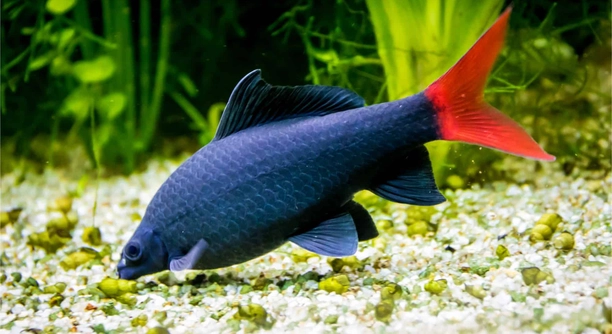
Is your rainbow shark looking dull or behaving a little off in its tank? Maintaining the right water conditions can make all the difference in its health and appearance. Let’s explore how to keep things balanced.
Maintaining optimal water conditions for a rainbow shark requires regular monitoring of pH, ammonia, nitrite, and nitrate levels. Consistent water changes, proper filtration, and stable temperatures are essential to support the fish’s health and reduce stress.
Learning how each factor impacts your rainbow shark will help you create a thriving and stable environment they can enjoy long-term.
Test the Water Regularly
Keeping your rainbow shark healthy starts with checking the water often. Using a reliable test kit helps you monitor important levels like ammonia, nitrite, nitrate, and pH. These numbers can change fast, especially in smaller tanks or tanks with more fish. Test the water at least once a week, and more often if you’ve added new fish or equipment. The pH level should stay between 6.5 and 7.5. Ammonia and nitrite should be at 0 ppm, while nitrate should be under 40 ppm. Testing gives you the chance to fix problems early before they affect your fish’s behavior or health.
Test strips are quick but not always accurate. Liquid test kits are better for getting precise readings.
Don’t wait until your rainbow shark looks stressed. Make water testing a weekly habit. This simple step gives you better control over the tank’s conditions and helps your fish stay active and strong.
Keep the Water Temperature Stable
Fluctuating temperatures can quickly affect your rainbow shark’s health. Use a heater with a built-in thermostat to keep the water between 75°F and 81°F.
Rainbow sharks come from tropical environments, so they need warm and steady water to thrive. If the water gets too cold or hot, it may weaken their immune system, making them more likely to get sick. A sudden change in temperature can also stress the fish, which may lead to hiding, loss of appetite, or aggressive behavior. Place the heater near the filter to help spread the warmth evenly. Use a thermometer to check the water daily and adjust the heater if needed. Avoid placing the tank near windows or vents, as direct sunlight or cold air can change the water temperature fast. During winter or power outages, have a backup heat source like a battery-operated heater or warm packs to keep the tank from cooling down too much.
Clean the Tank Without Overdoing It
Cleaning helps keep water conditions healthy, but overdoing it can remove helpful bacteria. Aim for light, routine maintenance rather than deep cleaning everything at once.
Each week, remove about 25% of the tank water and replace it with fresh, dechlorinated water. Use a gravel vacuum to gently clean the substrate and remove uneaten food or waste. Avoid scrubbing all surfaces or decorations too hard, as this may remove the good bacteria that support your tank’s balance. Rinse the filter media in tank water—not tap water—if it looks clogged, but don’t replace it too often. You want to keep the beneficial bacteria that help break down waste and stabilize the tank.
Frequent but gentle cleaning keeps things in balance. If your water tests are stable and the tank looks clear, there’s no need to clean more often. Watch your fish’s behavior to know if anything needs adjusting.
Choose the Right Filter System
A strong filter system helps keep your rainbow shark’s tank healthy by removing waste and supporting water circulation. Choose a filter that fits the size of your tank and runs quietly without too much current.
Rainbow sharks need clean, oxygen-rich water, and a good filter helps make that possible. Look for filters that include mechanical, chemical, and biological media. Mechanical filtration removes solid waste. Chemical media (like activated carbon) helps control odors and discoloration. Biological filtration is the most important—it holds beneficial bacteria that break down harmful toxins. Make sure the filter doesn’t create strong currents, as rainbow sharks prefer moderate flow. Also, check that the intake doesn’t suck in smaller tank mates if you have other fish. Clean the filter regularly, but don’t replace all parts at once to keep the bacteria alive. A proper filter system reduces the need for frequent deep cleans and helps stabilize water quality long-term.
Avoid Overfeeding
Overfeeding quickly leads to waste buildup, which affects water quality. Feed your rainbow shark only what it can eat in two minutes, once or twice a day. Remove uneaten food right after feeding to prevent it from sinking and breaking down in the tank.
Extra food releases ammonia as it decays. This stresses your fish and disrupts the nitrogen cycle. Stick to a regular feeding schedule and use small portions. A cleaner tank helps your fish stay healthy and reduces how often you need to do maintenance.
Monitor Tank Mates Carefully
Rainbow sharks can be territorial, especially in smaller tanks. Avoid housing them with slow-moving or bottom-dwelling fish that might trigger aggression. Choose tank mates that are quick, mid-level swimmers and match the rainbow shark’s energy. Give each fish space and hiding spots to reduce stress. Monitor behavior closely.
Keep the Tank Covered
Rainbow sharks are known to jump, especially when startled or stressed. Keep a secure lid on the tank to prevent accidents. Make sure the lid fits well, with no wide gaps around filters or cables.
FAQ
How often should I change the water in my rainbow shark’s tank?
Change about 25% of the water once a week. This helps remove waste, uneaten food, and nitrates that build up over time. Use a siphon to clean the gravel during the water change, and always treat tap water with a water conditioner before adding it to the tank. Avoid changing more than 50% at once unless it’s an emergency, as it may shock your fish and disrupt the tank’s balance. Keeping up with small, regular water changes is better than doing large, infrequent ones.
What should the water pH be for a rainbow shark?
Keep the pH between 6.5 and 7.5. Rainbow sharks can tolerate a small range of fluctuations, but sudden changes can cause stress. Use a pH test kit to check the levels regularly, especially after adding new water. If the pH is off, avoid using harsh chemicals. Instead, use natural methods like almond leaves, driftwood, or crushed coral, depending on whether you need to lower or raise the pH. Consistency is more important than hitting an exact number. Try to keep the pH stable within their comfort range.
Do rainbow sharks need an air pump?
An air pump isn’t always necessary if your filter provides enough surface movement to help oxygen dissolve into the water. However, in tanks with limited water flow or higher stocking levels, an air stone can help increase oxygen. This is especially useful during warmer months when water holds less oxygen. Adding an air pump can also help reduce stress during medication or heatwaves. Make sure bubbles don’t create too much current, as rainbow sharks prefer moderate flow.
What size tank is best for a rainbow shark?
A single rainbow shark should have at least a 30-gallon tank. They are active swimmers and need space to establish their territory. In smaller tanks, they are more likely to become aggressive or stressed. If you plan to add more fish, a larger tank—closer to 55 gallons or more—is better. Bigger tanks also help dilute waste and keep water conditions stable. Avoid keeping more than one rainbow shark per tank unless it’s a very large setup with lots of hiding spots.
Why is my rainbow shark hiding a lot?
Rainbow sharks often hide when they are stressed, sick, or adjusting to a new tank. Poor water quality, bullying from other fish, or lack of hiding places can also cause this behavior. Check your water parameters, tank setup, and observe how other fish interact with your shark. Make sure the tank has enough caves, plants, or decorations where the shark can feel safe. If the water quality is off, fix it gradually to reduce stress. Hiding now and then is normal, but constant hiding could mean something’s wrong.
Can I keep live plants with a rainbow shark?
Yes, live plants are a great addition. Rainbow sharks don’t usually eat them, and plants help improve water quality by absorbing nitrates. Choose hardy plants like Java fern, Anubias, or Amazon sword. These can tolerate a range of conditions and don’t need intense lighting. Plants also provide hiding spaces and help reduce aggression by breaking up open areas. Make sure your substrate and lighting match the plants’ needs. Anchoring plants well will keep them from being uprooted during the shark’s swimming activity.
What temperature should the water be for a rainbow shark?
Keep the water between 75°F and 81°F. Use a reliable aquarium heater and thermometer to maintain a steady temperature. Sudden drops or rises can stress your rainbow shark. Avoid placing the tank in areas with temperature swings, like near windows or air vents. During colder months, check your heater regularly to make sure it’s working correctly. Consistent temperature helps support your fish’s immune system and overall behavior. Stable conditions are key to keeping your rainbow shark healthy and active.
Final Thoughts
Keeping your rainbow shark healthy comes down to staying consistent with care. Clean water, the right temperature, and a balanced feeding schedule all work together to support a stable environment. Regular water testing is one of the most helpful habits you can build. It allows you to spot problems early before they affect your fish. Choosing a proper filter, keeping the tank clean without overdoing it, and watching for sudden changes in behavior will also make a big difference. These steps may feel simple, but they help prevent many common issues that can harm your rainbow shark over time.
It’s also important to pay attention to how your rainbow shark interacts with its surroundings. If the fish is hiding too often, acting aggressive, or staying still for long periods, something may be off with the tank setup. Even small changes in temperature or water quality can affect behavior. Adding hiding spots, avoiding overcrowding, and giving your rainbow shark room to swim can make a stressful tank more comfortable. Taking a little time to watch your fish each day helps you notice when things are going well and when they’re not. Simple observations can guide you to small fixes before they become big problems.
Rainbow sharks can be a rewarding species to care for if their environment is well-maintained. They’re active, curious fish that do best in a stable and spacious tank. While they may be a bit territorial, the right tank setup can help them settle in peacefully. Most problems that come up with rainbow sharks—like stress, illness, or poor behavior—are usually linked to tank conditions. If you keep the water clean, monitor key levels, and avoid sudden changes, your rainbow shark will have what it needs to stay healthy and active. With a little attention and care, you can enjoy watching this unique fish thrive in your aquarium for years to come.

Hello,
If you enjoy the content that we create, please consider saying a "Thank You!" by leaving a tip.
Every little bit helps us continue crafting quality advice that supports the health, happiness, and well-being of pets around the world, for pets of all shapes, sizes, and species.
We really appreciate the kindness and support that you show us!