
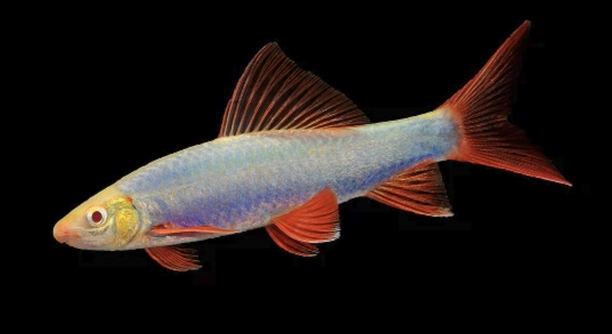
Is your rainbow shark looking a bit stressed or not as active as usual in its tank? Keeping these freshwater fish healthy requires more than just feeding them. Proper tank maintenance is essential for their long-term well-being.
Maintaining healthy tank conditions for your rainbow shark involves regular water changes, proper filtration, stable water parameters, and a well-planned tank layout. These factors reduce stress and disease, supporting the fish’s overall health and natural behavior.
From water quality to tankmates, each step plays a role in creating a balanced environment your rainbow shark can thrive in.
Keep the Water Clean and Stable
A clean tank is one of the most important parts of keeping your rainbow shark healthy. Dirty water can lead to stress and illness, especially if ammonia or nitrite levels rise. You should change 25% of the water weekly and test the parameters regularly. A good water test kit helps you keep track of pH, ammonia, nitrite, and nitrate levels. Rainbow sharks prefer slightly acidic to neutral water with a pH of 6.5–7.5. Use a dechlorinator when adding tap water, and always match the temperature. Avoid sudden changes, as rainbow sharks are sensitive to unstable conditions. A stable temperature between 75–81°F is ideal. If you use a heater, check it often to make sure it’s working well. When cleaning the tank, avoid washing the filter with tap water, as this can kill the helpful bacteria that maintain water quality. Gentle cleaning goes a long way in keeping things balanced.
Water quality plays a big role in your fish’s behavior. You’ll notice a more active and confident rainbow shark when conditions are clean and steady.
Taking the time to keep the water in top shape will prevent many common problems. It’s a simple way to support your rainbow shark’s health without needing to make big changes.
Choose the Right Tank Mates
Rainbow sharks don’t get along well with every fish. They can become aggressive if housed with other bottom dwellers or fish that look too similar to them.
The best tank mates for rainbow sharks are peaceful species that swim in the upper or middle parts of the tank. Good examples include danios, barbs, and rasboras. Avoid slow-moving fish with long fins, like angelfish or guppies, as they might be nipped. It’s also best to keep only one rainbow shark per tank unless the aquarium is very large. If they feel crowded or challenged, they may become territorial. Tank decorations and hiding spots can help reduce tension by breaking up the space and giving each fish a place to claim. Always research the behavior and space needs of each species before adding them to your tank. A peaceful tank environment supports healthier, less stressed fish and allows your rainbow shark to feel secure and act naturally.
Provide Enough Space to Swim
Rainbow sharks need plenty of space to move around, especially since they can be territorial. A small tank can make them anxious and more aggressive, which affects their health and behavior. A 50-gallon tank is a good starting point for one adult rainbow shark.
In a spacious tank, your rainbow shark has room to swim freely and establish its territory without feeling crowded. This helps reduce stress and limits aggressive behavior toward other fish. Long tanks with horizontal space are better than tall ones because rainbow sharks prefer swimming along the bottom and middle levels. Include hiding spots using driftwood, rocks, or caves to give them places to rest and feel secure. Keeping the tank decor spread out across the tank also helps divide the space, so your rainbow shark doesn’t feel the need to dominate one specific area. More room leads to a healthier and more relaxed fish overall.
Having enough space also makes it easier to keep water parameters stable. With more water volume, waste and toxins are less concentrated, which means your fish are exposed to fewer harmful substances. A larger tank also allows you to stock other peaceful fish more safely without creating too much competition for territory or swimming room.
Set Up the Right Tank Decor
Rainbow sharks like to claim areas, so having plants, caves, and rocks helps break up the tank. This makes them feel more secure and can stop fights before they start. A well-decorated tank is also more interesting for them to explore.
Use smooth stones, driftwood, and aquarium-safe caves to build shaded spots and borders in the tank. Spread out these items so the layout has clear sections. Live plants like java fern and anubias are hardy and won’t need much light, making them a great fit. They also help improve water quality and give your rainbow shark something to weave around. Avoid sharp objects that could injure your fish. Make sure the decorations don’t block swimming paths or filter flow. Keep enough open space for swimming while still offering coverage. A balanced tank layout gives your fish a better sense of territory, which lowers stress and makes them feel at ease.
Feed a Balanced Diet
Rainbow sharks do best on a mix of sinking pellets, algae wafers, and frozen foods like bloodworms or brine shrimp. Feeding once or twice a day in small amounts helps prevent waste buildup and keeps the water cleaner.
Overfeeding can cause health problems and make the tank dirty faster. Always remove uneaten food after a few minutes to avoid ammonia spikes. A varied diet keeps your fish active and supports a strong immune system.
Monitor Behavior Regularly
Watch for changes like hiding more often, swimming oddly, or not eating. These signs can mean the water isn’t right or your fish is stressed.
Behavior can also show if another fish is bothering them. Noticing these patterns early gives you time to make changes before things get worse.
Maintain the Filter Properly
Check your filter weekly to make sure it’s running well and not clogged. Clean it gently in tank water to preserve the helpful bacteria. Replacing filter media too often or cleaning with tap water can disrupt the tank’s balance and lead to unhealthy conditions for your rainbow shark.
FAQ
How often should I clean my rainbow shark’s tank?
A partial water change once a week is usually enough if your tank is fully cycled and not overcrowded. Change about 25% of the water, vacuum the substrate lightly, and remove visible waste or leftover food. Deep cleaning isn’t needed unless there’s an issue like an ammonia spike or algae overgrowth. Over-cleaning can disrupt the helpful bacteria that keep your tank stable. Use a water conditioner when adding new tap water to avoid harming your fish. Keeping a consistent schedule is better than cleaning too much at once.
Can I keep more than one rainbow shark in the same tank?
It’s best to keep only one rainbow shark unless your tank is very large—at least 125 gallons or more. These fish are territorial and may fight if kept too close together. Even two females can become aggressive. If you do try keeping more than one, the tank needs lots of space and plenty of hiding spots to help separate their territories. Most people find it easier and safer to stick with just one to avoid stress and injury.
Why is my rainbow shark hiding all the time?
Constant hiding can be a sign of stress. This might be caused by poor water quality, bullying from other fish, or not enough cover in the tank. Check your water parameters first. If everything looks good, review your tank layout and stocking choices. Adding plants, rocks, or caves may help the fish feel safer. If your rainbow shark has recently been added to the tank, give it time to adjust—some fish take a few days to settle in. A calm, stable environment will encourage more active behavior.
What should I do if my rainbow shark becomes aggressive?
Aggressive behavior usually shows up when there isn’t enough space or when other fish invade its territory. Try rearranging the tank decor to reset territory boundaries and break up open space. Adding more hiding spots can also reduce tension. Avoid tank mates that look like the rainbow shark or live near the bottom. If aggression continues, you may need to separate the fish or move tank mates to another aquarium. Watch for signs of injuries on other fish, and act quickly to prevent ongoing stress or damage.
What temperature should the tank be for a rainbow shark?
The ideal temperature range is 75–81°F (24–27°C). These fish are tropical, so keeping the water warm and stable helps prevent illness and stress. A heater with a thermostat works best for staying within the correct range. Avoid sudden temperature changes, especially during water changes—always match the new water’s temperature with the existing tank water. Checking the temperature daily with a reliable thermometer helps you catch any issues early.
Can rainbow sharks live with plants?
Yes, rainbow sharks do well in planted tanks. Live plants give them places to explore and help improve water quality by using excess nutrients. Choose hardy plants like anubias, java fern, or amazon sword, which can handle low to moderate light. Make sure the plants don’t block swimming space or crowd the bottom of the tank too much. A good balance of open space and planted areas will support both your rainbow shark’s movement and sense of security.
Do rainbow sharks jump out of tanks?
They can jump, especially when startled or if the water conditions are poor. Always keep a secure lid or cover on your tank to prevent accidents. Even peaceful fish can leap if they feel threatened or uncomfortable. Avoid loud noises or sudden tank movements, and keep the tank environment stable to reduce this risk.
How long do rainbow sharks live?
With proper care, rainbow sharks can live for 5 to 8 years in captivity. Good water quality, a balanced diet, and a peaceful tank environment all support a longer lifespan. Stress, illness, and poor conditions can shorten their life, so regular maintenance and observation are key to keeping them healthy long-term.
Final Thoughts
Taking care of a rainbow shark can be simple when you stick to a few basic rules. Clean water, enough space, and a proper diet go a long way in keeping your fish healthy. These freshwater fish are strong and can live for many years, but they still need attention and routine care. Watching their behavior and making small changes when needed can help prevent problems before they start. Even a little effort each week, like checking the water temperature or doing a partial water change, can make a big difference. Keeping a stable tank with the right setup helps your rainbow shark feel safe and act naturally.
A rainbow shark is not the best choice for a community tank unless you’re careful about tank mates and space. They can be territorial, especially if the tank is too small or has other bottom-dwelling fish. It’s important to create hiding spots and give each fish room to swim. If the tank feels too crowded, your rainbow shark may act aggressive, which can be stressful for everyone in the tank. Always research before adding new fish and monitor how your rainbow shark behaves around them. A peaceful tank is better for your fish’s health and helps them stay active and alert.
Regular feeding, proper filtration, and careful observation are all part of keeping your rainbow shark happy. Try to give a varied diet and avoid overfeeding to keep the water clean. Don’t forget to test your water often to catch changes early. Use soft decor with no sharp edges, and make sure your filter and heater are working as they should. A stable setup will reduce stress and help your fish live a longer, healthier life. With consistent care and the right tank conditions, your rainbow shark can become a strong and active part of your aquarium. Following these simple steps can help you build a calm, healthy space that both you and your fish can enjoy.

Hello,
If you enjoy the content that we create, please consider saying a "Thank You!" by leaving a tip.
Every little bit helps us continue crafting quality advice that supports the health, happiness, and well-being of pets around the world, for pets of all shapes, sizes, and species.
We really appreciate the kindness and support that you show us!