
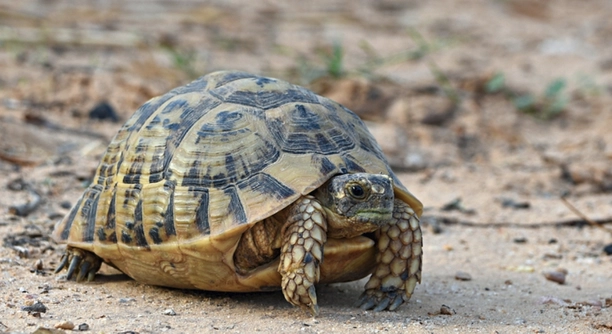
Maintaining a clean substrate for your Greek tortoise is essential for its health and well-being. A clean habitat ensures a safe and comfortable environment for your pet. Here are seven tips to help you keep their substrate in top condition.
The best way to maintain clean Greek tortoise substrate is through regular spot cleaning, ensuring it is dry and free from waste. Use appropriate materials such as coconut coir or sand to promote proper drainage and absorb moisture.
By following these tips, you can create a healthy environment for your tortoise while also reducing the chances of substrate-related problems.
Choosing the Right Substrate Material for Your Greek Tortoise
When selecting substrate material for your Greek tortoise, you want to pick options that promote good drainage and are easy to clean. Coconut coir, organic topsoil, and play sand are all popular choices. Avoid materials that can hold moisture, like bark chips or mulch, as they can lead to bacterial growth. Some people prefer a mixture of coconut coir and sand for better texture, which allows your tortoise to dig and burrow. The key is ensuring that the substrate is safe, non-toxic, and comfortable for your pet. Regularly replacing the substrate every few months is essential for maintaining cleanliness. Consider providing multiple layers to help with insulation.
Avoid choosing substrates that could harm your pet. Sand, for example, should be cleaned frequently, as it can trap waste and moisture. Be sure to remove any uneaten food to prevent spoilage.
Proper substrate maintenance is vital in ensuring your Greek tortoise’s habitat remains safe and healthy. Regular cleaning and proper selection of materials can prevent health issues and create an environment your tortoise enjoys.
Spot Cleaning Regularly
Spot cleaning is one of the most effective ways to maintain a clean substrate. Remove waste and uneaten food daily. This simple task prevents buildup of bacteria and keeps your tortoise’s home hygienic. Make sure to clean out any soiled bedding immediately to avoid unpleasant odors. The more often you clean, the less work it becomes, making the overall maintenance easier.
When spot cleaning, use a small rake or scoop to remove waste from the substrate. If you use sand or coir, this will keep the material from becoming compacted. Regular spot cleaning also helps with moisture control, preventing mold and bacteria from developing.
In addition to daily spot cleaning, remove all waste after feeding times. Food can quickly rot, especially in warmer climates, leading to a messy environment. Use a designated tool to avoid direct contact with waste, and clean it thoroughly afterward to prevent cross-contamination.
Proper Moisture Levels
Maintaining the right moisture level in the substrate is crucial. Too much moisture can cause mold or bacteria to grow, while too little moisture may lead to dryness, making the environment uncomfortable for your tortoise. The goal is to keep the substrate slightly damp but not soggy. A good rule of thumb is to lightly mist the substrate every few days to maintain humidity.
The moisture also helps with the tortoise’s natural digging behavior. If the substrate is too dry, it may not allow for proper burrowing. On the other hand, if it’s too wet, it could lead to the substrate sticking together and becoming too heavy for the tortoise to move through.
To keep track of the moisture, use a hygrometer to measure humidity levels. This allows you to monitor the conditions in your tortoise’s habitat and adjust accordingly. A well-maintained environment will prevent unnecessary stress and contribute to your tortoise’s overall health.
Replace Substrate When Needed
Even with regular spot cleaning, your substrate will eventually need to be replaced. Over time, it can become compacted or lose its ability to absorb moisture. Replace the substrate completely every three to six months to ensure a clean environment. This helps prevent any buildup of harmful bacteria.
After replacing the substrate, disinfect the enclosure thoroughly. Be sure to remove all remnants of old substrate and clean surfaces with safe cleaning products. This reduces the risk of contamination and keeps your tortoise safe.
Replacing the substrate also provides an opportunity to refresh the environment, ensuring it remains a comfortable space for your tortoise. Regularly changing it will help maintain both cleanliness and a healthier habitat.
Use a Suitable Cleaning Solution
When cleaning your tortoise’s habitat, use a cleaning solution that is safe and non-toxic. Avoid using harsh chemicals, as they can harm your pet. Mild soap and water work well for disinfecting surfaces. Always rinse thoroughly after cleaning to ensure there’s no residue left.
Make sure to clean accessories like water dishes and hides as well. Bacteria can grow on these surfaces, so regular cleaning is important. A safe, gentle cleaner helps ensure that both the substrate and all other items in the enclosure are hygienic and safe for your tortoise.
Maintain Proper Ventilation
Good ventilation in your tortoise’s habitat is crucial for keeping the substrate dry and preventing mold. Ensure the enclosure has enough airflow to prevent humidity from building up too much. Without proper ventilation, moisture can get trapped, leading to bacterial growth and an unhealthy environment.
Proper ventilation also helps maintain a comfortable temperature, which is vital for your tortoise’s health. If you notice the substrate becoming too moist despite proper cleaning, check the ventilation and make adjustments if necessary. A well-ventilated space supports both the cleanliness of the substrate and the overall well-being of your tortoise.
FAQ
How often should I spot clean my tortoise’s substrate?
Spot cleaning should be done daily. Remove any waste and uneaten food immediately to prevent bacteria buildup. The more often you clean, the less work it becomes, and it helps keep your tortoise’s home hygienic. A consistent cleaning routine also reduces odors and ensures a safe environment for your pet.
Can I use soil from my garden for my Greek tortoise’s substrate?
Using garden soil is not recommended. Soil from your garden can contain pesticides, fertilizers, and harmful organisms. It may also be too heavy or retain too much moisture. Instead, use specially formulated substrates like coconut coir or play sand, which are safe and easy to maintain.
Is it okay to use pine or cedar shavings for substrate?
No, pine and cedar shavings are not safe for Greek tortoises. These types of wood shavings contain oils that can be harmful to their respiratory system and may cause irritation. Stick to natural materials like coconut coir or grass hay, which are safer options for your tortoise’s health.
How can I control humidity in my tortoise’s enclosure?
To maintain proper humidity, you can lightly mist the substrate every few days. You can also place a humidity gauge in the enclosure to monitor the levels. If it’s too dry, increase misting, but ensure the substrate doesn’t get too wet. Proper humidity promotes healthy skin and respiratory function for your tortoise.
Should I provide a basking spot in the enclosure?
Yes, providing a basking spot is essential for your tortoise’s health. It helps them regulate their body temperature, digest food, and maintain healthy bones and shells. Make sure the basking area is warm enough (90–95°F) and positioned under a heat lamp, so your tortoise can thermoregulate as needed.
How do I prevent mold from growing in the substrate?
Mold grows in damp conditions, so maintaining proper moisture levels is key. Avoid over-wetting the substrate, and ensure that your tortoise has good ventilation in their enclosure. Spot cleaning regularly and replacing the substrate every few months also helps prevent mold growth and keeps the habitat clean.
What type of bedding is best for a Greek tortoise?
Coconut coir mixed with play sand is a popular and effective substrate for Greek tortoises. It provides good drainage, is easy to clean, and allows your tortoise to dig. Avoid using substrates like wood shavings or soil that retain excess moisture and can cause health issues.
How do I clean the enclosure after replacing the substrate?
After removing the old substrate, clean all surfaces with a mild, non-toxic soap or a vinegar-water solution. Disinfect water dishes, hides, and any other accessories. Be sure to rinse everything thoroughly before adding the fresh substrate. This ensures a clean and safe environment for your tortoise to thrive.
How can I prevent my tortoise from eating the substrate?
If your tortoise seems to be eating the substrate, try providing more food to ensure they are not hungry. You can also offer safe plants or treats to divert their attention. Make sure the substrate is made of non-toxic materials and avoid using any sharp or dangerous items that could harm your tortoise.
Is it necessary to use a UVB light for my tortoise?
Yes, a UVB light is essential for your tortoise’s health, as it helps them metabolize calcium and maintain strong bones and a healthy shell. Place the UVB light above the basking area to simulate natural sunlight, and ensure it is turned on for about 10–12 hours a day.
Can I use a heat mat for my tortoise’s enclosure?
A heat mat can be used, but it should not be your primary heat source. While it can help provide warmth in cooler areas of the enclosure, it’s best to use a heat lamp to create a basking spot with proper temperature control. Always monitor the temperature carefully to avoid overheating.
How can I prevent odors in the tortoise enclosure?
To prevent odors, clean the substrate regularly and spot clean daily. Remove any waste and uneaten food as soon as possible. Additionally, using a substrate that absorbs moisture, such as coconut coir, can help reduce odors. Proper ventilation also plays a significant role in keeping the enclosure fresh.
What temperature should my tortoise’s habitat be?
Your Greek tortoise’s habitat should have a basking area between 90–95°F. The cooler side of the enclosure can be around 70–75°F. These temperature differences allow your tortoise to regulate its body temperature by moving between warmer and cooler areas. Avoid placing the habitat in a drafty area to maintain stable temperatures.
Can I use a larger enclosure for my tortoise?
Yes, a larger enclosure is better for your tortoise. The more space they have, the more comfortable they will feel, and it mimics their natural environment. Larger enclosures also allow for more temperature and humidity gradients, which gives your tortoise options to choose the ideal environment based on its needs.
Final Thoughts
Maintaining clean substrate for your Greek tortoise is crucial for their overall health and well-being. Regular cleaning and proper substrate management prevent the growth of harmful bacteria and mold, creating a safe and comfortable environment for your pet. The key is consistency. Spot clean daily to remove waste and uneaten food, which will keep the habitat fresh and hygienic. However, substrate should also be replaced every few months to ensure it doesn’t become compacted or contaminated. Choosing the right materials for your tortoise’s substrate is just as important. Coconut coir and play sand are ideal, as they allow for good drainage and are safe for your pet.
Proper humidity, temperature, and ventilation are essential in maintaining a clean substrate. Without proper airflow, moisture can build up, leading to mold growth. A hygrometer will help monitor humidity levels in the enclosure. If the substrate becomes too damp, mold and bacteria can thrive, which could lead to health issues for your tortoise. You can control humidity by misting the substrate occasionally and ensuring good ventilation. Keep the basking area warm and dry, which helps maintain the right balance for your tortoise and reduces the risk of excess moisture in the habitat.
Lastly, always remember to disinfect the enclosure when you replace the substrate. This includes cleaning the walls, accessories, and any surfaces that may have come into contact with waste. Use non-toxic cleaners and rinse everything thoroughly. A clean environment reduces the chances of your tortoise being exposed to harmful bacteria and helps maintain their health. By following these guidelines, you’ll create a healthy and happy home for your tortoise, allowing them to thrive in a clean, safe space. Consistent care and maintenance of the substrate and habitat will ensure your pet has everything they need to live a long, healthy life.

Hello,
If you enjoy the content that we create, please consider saying a "Thank You!" by leaving a tip.
Every little bit helps us continue crafting quality advice that supports the health, happiness, and well-being of pets around the world, for pets of all shapes, sizes, and species.
We really appreciate the kindness and support that you show us!