
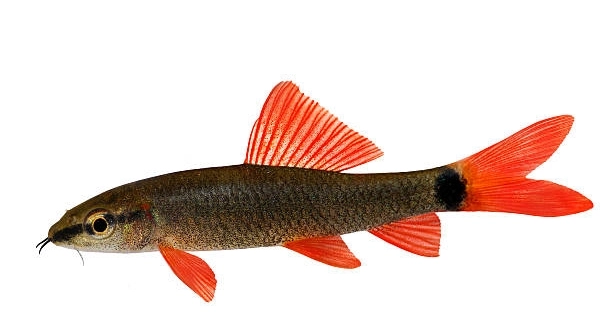
Is your rainbow shark constantly swimming near the heater or looking stressed in the corners of the tank? Keeping the right temperature is key to making sure your fish stays healthy and calm every day.
The ideal temperature range for a rainbow shark’s tank is between 75°F and 81°F. Maintaining this range supports proper metabolism, reduces stress, and helps prevent illness. Consistent monitoring and using a reliable heater are essential.
Maintaining the correct temperature doesn’t have to be hard, but small mistakes can lead to bigger problems. Here are seven tips to help keep your rainbow shark safe and comfortable in its tank.
Use a Reliable Aquarium Heater
A good heater is the most important tool for keeping your rainbow shark’s tank at the right temperature. Not all heaters are the same, and it’s worth investing in one that matches your tank size. Look for a submersible heater with a built-in thermostat, as this keeps the temperature steady. Some models even have external controls, making adjustments easier. Always place the heater near the water flow, like next to a filter outlet, to help distribute heat evenly. Before adding your fish, give the heater time to stabilize. This can take a few hours. Once the heater is working, monitor it regularly. Heaters can wear out or break over time. If you notice temperature swings, check the device first.
Heaters with indicator lights can help you see at a glance whether the unit is actively heating or maintaining the set temperature. This small feature can save you a lot of guesswork.
If you live in a region with temperature changes throughout the year, choose a heater that can handle those shifts without struggling. Your rainbow shark will be less stressed if the water stays within the recommended range. Inconsistent temperatures can make fish sick and affect their appetite, mood, and behavior. A strong, dependable heater helps avoid that.
Monitor with an Aquarium Thermometer
Digital or stick-on thermometers are useful, but it’s best to use one that sits inside the tank for more accurate readings. Place it far from the heater for a clearer picture of the overall water temperature.
Monitoring temperature daily gives you a clear idea of how well your heater is working. Even high-quality heaters can drift or stop working without notice. An accurate thermometer lets you catch small changes before they become a problem. A drop or spike of just a few degrees can affect your fish’s health. If the temperature consistently falls outside the recommended range, check for nearby cold drafts or sunlight hitting the tank. These outside influences may change water temperature more than expected. Also, avoid checking temperature right after a water change. Give the tank time to settle. Use the thermometer as a guide and don’t rely on touch or guesswork. Taking a minute each day to check can help prevent long-term problems for your rainbow shark.
Keep the Tank Away from Windows and Drafts
Windows, doors, and air vents can affect the temperature in your tank without you noticing. Even a small draft or direct sunlight can cause the water to heat up or cool down too quickly, stressing your rainbow shark and making it harder to keep the temperature steady.
If your tank is placed near a window, sunlight can raise the water temperature by several degrees during the day. When the sun sets, that warmth disappears quickly, causing a sudden drop. These changes are hard on your fish. Drafts from open windows or doors can have the same effect, especially in cooler seasons. Try moving the tank to a more stable spot in the room, away from airflow or direct sun. If that’s not possible, consider using curtains to block sunlight or sealing gaps to prevent cold air from reaching the tank. A stable room environment helps the tank stay consistent.
Heaters have to work harder in unstable spaces, which can wear them out faster. Over time, this adds up in costs and maintenance. Rainbow sharks do best in tanks with little temperature change. Choosing a quiet, stable part of your home makes it easier to control their environment and avoid temperature swings that could harm them.
Perform Regular Water Changes with Matched Temperature
When you change the water in your tank, it’s important to make sure the new water is the same temperature as what’s already inside. Using water that’s too hot or too cold, even by a few degrees, can shock your rainbow shark and lead to health issues.
One simple way to keep water temperature matched during changes is by using a thermometer while filling the new water. Letting fresh water sit out for a while can also help it come to room temperature. If your water comes from a colder source, such as a deep well, warm it slightly before use. Always add it slowly into the tank, especially if it’s off by a degree or two. Fast changes can be harmful. Rainbow sharks prefer consistency. Try to keep the replacement water within one degree of the current tank water whenever possible. It may take a bit more time, but it’s worth it.
Doing regular water changes keeps your tank clean and healthy, but temperature mismatches undo the benefits if they stress your fish. Matching temperatures helps your rainbow shark stay calm and adjust without issue. It also gives your heater less work to do afterward, which supports longer heater life and better tank stability over time.
Avoid Overcrowding the Tank
Too many fish in one tank can make it harder to keep the temperature stable. Extra movement and waste increase the strain on your filter and heater, which can lead to sudden shifts in water conditions.
A crowded tank also means less room for heat to spread evenly. This can create warmer or colder spots, which your rainbow shark may avoid.
Adjust Temperature for Night and Seasonal Changes
Some rooms get colder at night or during certain seasons, especially winter. These shifts can lower your tank’s temperature without much warning. To avoid this, check the room’s temperature regularly and adjust your heater settings if needed. A slight increase in heater power may be enough to balance cooler air. If your home is very drafty, consider using an aquarium heater with an automatic thermostat or adding a second, smaller heater for backup. These small changes help your tank stay within the safe range of 75°F to 81°F. Keeping the tank covered with a lid also reduces heat loss during the night.
Watch for Unusual Fish Behavior
If your rainbow shark starts hiding more, stops eating, or moves less, it may be reacting to a temperature issue. These small changes in behavior are easy to miss but can signal a larger problem in the tank.
What is the best temperature range for a rainbow shark tank?
The ideal temperature range for a rainbow shark tank is between 75°F and 81°F (24°C to 27°C). Keeping the water within this range supports healthy metabolism, activity, and immune function. Temperatures outside this range can cause stress and increase the risk of illness.
How often should I check the tank temperature?
It’s best to check the tank temperature daily, especially if your heater or room temperature tends to fluctuate. Regular monitoring helps catch any changes early before they affect your fish’s health. Using a reliable aquarium thermometer inside the tank provides the most accurate reading.
Can I use a regular room thermometer to measure tank temperature?
No, a regular room thermometer won’t give an accurate reading of water temperature. Water and air temperatures can differ significantly. Instead, use an aquarium thermometer designed to go inside the tank or stick on the outside, near the water level, to monitor temperature accurately.
What should I do if the tank temperature suddenly drops?
If the temperature drops suddenly, first check the heater for any issues, such as a power outage or malfunction. Move the tank away from drafts or cold windows. You can also add a backup heater or use a tank cover to reduce heat loss. Avoid sudden water changes with cold water until temperature stabilizes.
Is it safe to use more than one heater in a tank?
Yes, using two smaller heaters instead of one large one can help maintain stable temperatures, especially in larger tanks. It provides backup if one heater fails and improves even heat distribution. Just make sure both heaters are of good quality and have thermostats.
How can I prevent temperature swings caused by sunlight?
Keep the tank away from direct sunlight or use curtains to block light during the hottest parts of the day. Sunlight can quickly raise the water temperature and cause swings between day and night. A shaded, stable room helps maintain a consistent temperature.
Do temperature changes affect fish behavior?
Yes, sudden or frequent temperature changes can stress rainbow sharks. They may hide more, eat less, or become sluggish. Consistent temperature helps them stay active and healthy. If you notice behavior changes, checking tank temperature is a good first step.
Can I use a heater without a thermostat?
It’s not recommended to use a heater without a thermostat. Without one, the heater may overheat the water, causing dangerous temperature spikes. Always choose heaters with built-in thermostats or use an external thermostat controller to keep temperatures stable.
What type of aquarium heater is best for rainbow sharks?
Submersible heaters with built-in thermostats are ideal. They distribute heat evenly and allow precise temperature control. Avoid cheap or unregulated heaters, as they may fail or cause sudden temperature changes.
How do I safely adjust the tank temperature?
Make small adjustments to the heater settings, about 1°F at a time. Change temperature gradually over several hours or days to avoid shocking your fish. Always monitor the thermometer closely during adjustments.
Can temperature affect fish diseases?
Yes, improper temperatures weaken the immune system, making rainbow sharks more vulnerable to infections and parasites. Keeping a stable, correct temperature supports their health and helps prevent disease.
Is a tank cover necessary for temperature control?
A cover helps reduce heat loss and keeps the water temperature more stable. It also reduces evaporation and prevents fish from jumping out. Make sure the cover allows for proper ventilation and doesn’t trap excess heat.
How do water changes affect tank temperature?
Adding new water that is too hot or too cold can cause sudden temperature shifts. Always match the new water’s temperature to the tank before adding it. Use a thermometer to check, and add water slowly to avoid shocking your fish.
What room conditions help maintain a steady tank temperature?
Keeping your tank in a room with stable temperature, away from drafts, heaters, air conditioners, and windows, helps maintain consistent water temperature. Avoid placing tanks near doors or vents where airflow can cause fluctuations.
What signs show my heater isn’t working properly?
If the tank temperature drops unexpectedly or the heater indicator light doesn’t turn on, your heater may be faulty. Sudden temperature swings or fish showing stress behaviors can also signal heater problems. Test or replace the heater if needed.
How long should a heater run each day?
A properly sized heater with a thermostat will cycle on and off as needed to maintain the set temperature. It should not run constantly. Frequent running may mean the heater is too small or the room temperature is too low.
Can I use a heater with a timer?
It’s not advisable to use a timer to turn the heater off and on. Fish need a stable temperature 24/7. Timers can cause sudden temperature changes and stress your fish. Let the thermostat control the heater continuously.
Is it normal for the water temperature to vary a little?
Small fluctuations of 1-2°F are normal and usually safe. Larger or rapid changes should be avoided, as they stress your rainbow shark and can lead to health problems.
How do I choose the right heater size?
Calculate about 3-5 watts of heater power per gallon of water. For example, a 20-gallon tank needs a 60-100 watt heater. Oversized heaters can cause temperature spikes, so size appropriately.
Should I turn off the heater during water changes?
No, keep the heater on during water changes to avoid sudden cooling. Instead, match the temperature of the new water before adding it. Turning off the heater can cause unnecessary temperature drops.
Can I use a heater with a built-in timer?
Most aquarium heaters do not come with timers and should not be used with external timers. The thermostat built into the heater will regulate the temperature without the need for timing controls.
Keeping your rainbow shark’s tank at the right temperature is important for its health and happiness. Consistent warmth between 75°F and 81°F helps your fish stay active and comfortable. It also supports their immune system, helping them fight off illness. Using a reliable heater with a built-in thermostat is the best way to maintain this temperature range. Checking the temperature daily with an aquarium thermometer helps catch problems early before they affect your fish. Simple steps like placing the tank away from windows or drafts and matching water temperature during changes make a big difference.
Temperature swings can stress your rainbow shark, leading to unusual behavior or illness. Small changes, like moving the tank to a more stable spot or using a lid to reduce heat loss, prevent these fluctuations. Regular water changes with carefully matched water temperature also keep the environment stable and clean. Overcrowding the tank can cause uneven heat distribution and more waste, which increases the risk of temperature problems. Keeping your tank at the right size for the number of fish helps maintain balance. If you notice your fish hiding or eating less, check the water temperature and the heater’s function first.
Maintaining a steady temperature is not complicated, but it requires some attention and care. The right equipment, proper placement, and regular monitoring protect your rainbow shark and improve its quality of life. With these practices, you can avoid stress and health issues caused by temperature problems. Your rainbow shark will thrive in a stable, warm environment, making your aquarium a more enjoyable and peaceful space. Consistent care today means a healthier fish tomorrow.

Hello,
If you enjoy the content that we create, please consider saying a "Thank You!" by leaving a tip.
Every little bit helps us continue crafting quality advice that supports the health, happiness, and well-being of pets around the world, for pets of all shapes, sizes, and species.
We really appreciate the kindness and support that you show us!