
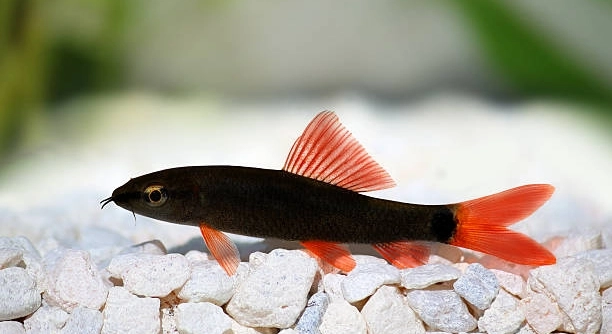
Keeping a Rainbow Shark in a peaceful tank can sometimes feel challenging, especially with other fish around. These active swimmers need a balanced environment to stay calm and healthy. Understanding their behavior helps create a better home for them.
Providing enough space, maintaining proper water conditions, and choosing compatible tank mates are essential for peace in a Rainbow Shark’s habitat. Regular tank maintenance and a balanced diet also support their well-being and reduce stress in the aquarium.
These simple tips will help ensure your Rainbow Shark lives comfortably and peacefully with other fish in your tank. The right care makes all the difference.
Providing Enough Space for Your Rainbow Shark
Rainbow Sharks need ample space to swim and establish their territory. A tank of at least 55 gallons is recommended to prevent overcrowding and reduce aggression. When space is limited, Rainbow Sharks can become stressed and territorial, which leads to fights. It’s important to arrange decorations, rocks, and plants in a way that breaks the line of sight. This setup allows each fish to claim its own hiding spot and reduces conflicts. Avoid overcrowding your tank with too many fish, especially other bottom dwellers. This will help maintain a peaceful environment. Regularly check your tank size as your fish grow, and be prepared to upgrade if needed.
A larger tank with plenty of hiding spots helps Rainbow Sharks feel secure and reduces aggressive behavior, keeping the peace in your aquarium.
Arranging the tank properly and giving your Rainbow Shark enough room to explore helps prevent stress and aggressive interactions. When the fish have their own space, they swim calmly and coexist well with other tank mates. This creates a more balanced and enjoyable aquarium for you and your fish.
Maintaining Proper Water Conditions
Maintaining clean water is crucial for a peaceful tank. Regular water changes keep ammonia, nitrites, and nitrates at safe levels, which prevents stress in Rainbow Sharks. Water temperature should be kept between 72 and 79°F, with a pH level around 6.5 to 7.5. Consistent water parameters prevent health problems and reduce aggression. Using a reliable filter that provides good water circulation and oxygenation is essential. Avoid sudden changes in water chemistry or temperature, as Rainbow Sharks are sensitive to fluctuations. Test your water weekly and adjust as needed to maintain stable conditions. Clean water supports their immune system and promotes a calm temperament.
Proper water quality is one of the best ways to support a peaceful tank environment and keep your Rainbow Shark healthy and happy.
Choosing Compatible Tank Mates
Rainbow Sharks can be territorial, so tank mates should be peaceful and fast enough to avoid conflict. Avoid aggressive or slow-moving fish that share the same bottom level.
When selecting tank mates, opt for species that occupy different parts of the tank, such as mid- or top-swimming fish. Good companions include tetras, barbs, and danios. Avoid other bottom dwellers that may compete for territory. Introducing fish gradually helps monitor their behavior and prevent stress. Ensuring tank mates are similar in size reduces bullying and helps maintain peace. Compatibility is key to a harmonious community tank with your Rainbow Shark.
Monitoring interactions during feeding times is also important, as competition can increase aggression. Providing plenty of hiding places gives all fish space to retreat, which helps avoid territorial disputes and promotes a calmer tank environment.
Regular Tank Maintenance
Consistent tank maintenance prevents buildup of harmful substances and keeps the environment stable. Weekly partial water changes of 20-30% are recommended. Clean substrate and decorations regularly to remove waste and uneaten food. A well-maintained tank reduces stress and illness.
Cleaning the filter media carefully without removing beneficial bacteria is important during maintenance. Use a siphon to remove debris from the gravel without disturbing the beneficial microorganisms. Check equipment, such as heaters and filters, to ensure proper function. Keeping the tank clean encourages natural behaviors and reduces aggression.
Regular maintenance also includes trimming live plants and removing dead leaves to prevent decay. A healthy tank environment supports your Rainbow Shark’s well-being and helps maintain peace among all tank inhabitants.
Feeding a Balanced Diet
Rainbow Sharks need a varied diet to stay healthy and peaceful. Offer high-quality sinking pellets designed for omnivores as the main food source. Supplement their diet with live or frozen foods like bloodworms and brine shrimp for extra nutrition.
Avoid overfeeding, which can lead to poor water quality and aggression. Feed small amounts twice daily, removing leftovers promptly. A balanced diet helps maintain their energy levels and vibrant colors.
Avoiding Overcrowding
Overcrowding increases stress and aggression in Rainbow Sharks. Stick to recommended tank sizes and avoid adding too many fish.
A well-planned stocking level promotes a calm and healthy tank where all fish can coexist comfortably.
Providing Hiding Spots
Hiding spots help Rainbow Sharks feel safe and reduce territorial disputes. Use caves, rocks, and plants to create secure areas.
These spots let your fish retreat when feeling threatened, encouraging peaceful behavior in the tank.
FAQ
How often should I feed my Rainbow Shark?
Feeding your Rainbow Shark twice a day is usually enough. Give small portions that they can finish within a few minutes. Overfeeding can cause water quality issues and stress, so it’s better to feed less and remove any leftover food promptly.
Can Rainbow Sharks live with other bottom-dwelling fish?
It’s best to avoid keeping Rainbow Sharks with other bottom dwellers like catfish or loaches. They often compete for space and territory, which leads to aggression. Choose fish that swim in different tank levels to reduce conflicts.
What water temperature is ideal for Rainbow Sharks?
Rainbow Sharks thrive in water temperatures between 72°F and 79°F (22°C–26°C). Keeping the temperature stable within this range helps prevent stress and illness, contributing to a peaceful tank environment.
How big should my tank be for a Rainbow Shark?
A minimum tank size of 55 gallons is recommended. Rainbow Sharks grow fairly large and need space to swim freely and establish territories. Larger tanks also allow for more stable water conditions and better coexistence with other fish.
Why is my Rainbow Shark acting aggressively?
Aggression often comes from stress due to overcrowding, lack of hiding spots, or poor water quality. Make sure your tank is large enough, clean, and has plenty of decorations for shelter. Check water parameters regularly to keep your fish comfortable.
Can I keep more than one Rainbow Shark together?
It’s generally not recommended to keep multiple Rainbow Sharks in the same tank unless it is very large with ample hiding spaces. They are territorial and may fight over space, causing injury or stress.
What should I do if my Rainbow Shark is hiding all the time?
Hiding can be normal if your Rainbow Shark is adjusting or feels threatened. Make sure the tank has hiding spots and check water quality. If hiding continues, it could indicate stress or illness, so monitor your fish closely.
Is it necessary to have live plants in the tank?
Live plants provide natural hiding spots and improve water quality by absorbing nitrates. They also create a more natural environment, which helps Rainbow Sharks feel secure and reduces aggressive behavior.
How often should I change the water?
Perform partial water changes of 20-30% weekly to keep water clean and free from toxins. Regular changes help maintain stable water conditions, which is essential for your Rainbow Shark’s health and peace in the tank.
What do I do if my Rainbow Shark is injured?
Isolate the injured fish in a separate hospital tank to prevent further harm. Treat wounds with appropriate medication and keep water clean. Monitor the fish closely until fully recovered before returning it to the main tank.
Can Rainbow Sharks tolerate different pH levels?
Rainbow Sharks prefer a pH between 6.5 and 7.5. Sudden shifts outside this range can cause stress. Keeping pH stable is important to avoid health problems and aggression in the tank.
How do I introduce new fish to a tank with a Rainbow Shark?
Add new fish slowly and monitor their behavior. Quarantine new arrivals beforehand to prevent disease. Provide plenty of hiding spots to reduce stress and territorial disputes during introductions.
What’s the best way to clean the tank without harming beneficial bacteria?
Clean the tank using gentle methods like siphoning debris from the substrate and rinsing decorations in tank water. Avoid using tap water on filter media to protect beneficial bacteria that help keep the tank balanced.
Why is my Rainbow Shark losing color?
Fading color can result from stress, poor diet, or water quality issues. Ensure a nutritious diet, stable water parameters, and a calm environment to restore vibrant colors.
Are Rainbow Sharks suitable for beginner fishkeepers?
Rainbow Sharks require some experience because of their territorial nature and water quality needs. Beginners should be prepared to maintain a larger tank and monitor water conditions carefully to keep them healthy and peaceful.
How long do Rainbow Sharks typically live?
With proper care, Rainbow Sharks can live 5 to 8 years. Maintaining good water quality, a balanced diet, and a peaceful tank environment helps maximize their lifespan.
Maintaining a peaceful tank with a Rainbow Shark takes attention to several important details. Providing enough space is one of the most critical factors. These fish need room to swim and establish their own territory without feeling crowded. A tank size of at least 55 gallons is usually necessary to prevent aggression caused by limited space. Along with space, having enough hiding spots like caves, plants, and decorations helps the fish feel secure. When a Rainbow Shark has places to retreat, it reduces stress and territorial disputes, which keeps the tank environment calmer.
Water quality also plays a major role in keeping your Rainbow Shark peaceful. Regular water changes and proper filtration help maintain stable water conditions, which reduces stress for all tank inhabitants. It is important to monitor water parameters such as temperature, pH, ammonia, nitrite, and nitrate levels regularly. Rainbow Sharks prefer water temperatures between 72 and 79 degrees Fahrenheit and a pH around 6.5 to 7.5. Keeping these conditions steady ensures the fish remain healthy and less likely to become aggressive. Feeding a balanced diet with quality sinking pellets and occasional live or frozen foods supports their overall well-being and vibrant colors.
Choosing compatible tank mates is another key factor for peace in the aquarium. Rainbow Sharks can be territorial, so selecting fish that swim in different areas of the tank and are non-aggressive helps prevent conflicts. Avoiding other bottom dwellers that compete for space is best. Maintaining a moderate stocking level and avoiding overcrowding also reduce stress and aggression. With careful planning and regular tank maintenance, it is possible to create a harmonious environment where your Rainbow Shark and other fish can thrive peacefully together. Paying attention to these basic needs will make caring for your Rainbow Shark more enjoyable and rewarding in the long run.

Hello,
If you enjoy the content that we create, please consider saying a "Thank You!" by leaving a tip.
Every little bit helps us continue crafting quality advice that supports the health, happiness, and well-being of pets around the world, for pets of all shapes, sizes, and species.
We really appreciate the kindness and support that you show us!