
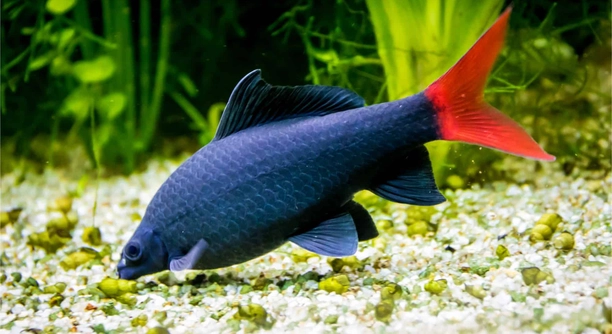
Keeping a rainbow shark healthy requires attention to its environment and diet. Many fish owners want to make sure their rainbow sharks live a long, happy life. Proper care helps these active fish thrive in home aquariums.
Maintaining stable water conditions, providing a balanced diet, and offering enough space are essential for the long-term health of rainbow sharks. Regular monitoring and tank maintenance prevent common health issues and stress.
These tips will guide you to create the best environment for your rainbow shark’s well-being and help you avoid common problems.
Providing a Proper Tank Size
Rainbow sharks are active swimmers and need enough room to move around comfortably. A tank of at least 40 gallons is recommended for a single rainbow shark. If you want to keep more than one, increase the tank size accordingly. Overcrowding can lead to stress and aggression. It is important to create a peaceful environment for your fish. Include hiding spots using decorations or plants to help reduce stress. Make sure the tank has a secure lid, as rainbow sharks can jump out if startled.
Keeping the tank size appropriate ensures your rainbow shark has space to swim freely and reduces conflicts with other fish.
A larger tank also makes it easier to maintain water quality. When the water is clean and stable, your rainbow shark will be less prone to disease. Larger tanks buffer changes in temperature and chemistry better than small tanks, creating a safer, more comfortable home for your fish.
Maintaining Water Quality
Water quality is crucial for your rainbow shark’s health. Regular water changes and good filtration help keep the water clean. Test the water weekly for ammonia, nitrites, and nitrates to catch problems early. Keeping these levels in check prevents illnesses and keeps your fish active.
Filtration removes waste and toxins that build up in the tank. Choose a filter suitable for your tank size, and clean it regularly without disturbing beneficial bacteria. Avoid overfeeding, as leftover food can pollute the water and harm your fish.
It’s important to maintain stable water temperature between 74°F and 80°F, as sudden changes can stress your rainbow shark. Use a reliable heater and thermometer to monitor conditions. Proper aeration is also necessary to keep oxygen levels high. Air stones or good water circulation help maintain healthy oxygen for your fish.
Keeping water conditions stable creates a healthier environment where your rainbow shark can live comfortably and grow strong. Consistency in maintenance routines will reduce the risk of diseases linked to poor water quality.
Feeding Your Rainbow Shark
Feed your rainbow shark a varied diet to keep it healthy. Include high-quality pellets, flakes, and occasional live or frozen foods. Avoid overfeeding, as it can pollute the water and cause health issues.
A balanced diet supports your fish’s growth and vibrant colors. Pellets designed for omnivorous fish work well, but supplementing with bloodworms or brine shrimp adds protein and variety. Vegetables like blanched spinach or zucchini also help, since rainbow sharks enjoy some plant matter. Feed small amounts two to three times daily, only what they can eat in a few minutes to avoid leftovers. Keeping their diet balanced helps maintain their energy and immune system.
Rainbow sharks can be territorial when feeding, so try spreading food around the tank to reduce aggression. Feeding at the same times daily creates a routine they expect, lowering stress. Watch your fish for changes in appetite or behavior as these can signal health problems needing attention.
Tank Mates and Social Behavior
Rainbow sharks are semi-aggressive and do best with tank mates that can hold their own. Avoid slow-moving or long-finned fish that may become targets. Choose active species that occupy different areas of the tank to reduce conflicts.
Keep only one rainbow shark per tank unless it is very large, as they can be territorial toward others of their kind. Peaceful fish like danios or barbs work well, but avoid small or timid fish that may get bullied. Monitoring interactions is key; if aggression increases, consider separating them. Providing hiding spots also helps reduce territorial disputes and creates a safer environment for all fish.
Monitoring Behavior and Health
Watch your rainbow shark’s behavior regularly for signs of stress or illness. Changes in swimming patterns, appetite, or appearance can indicate health problems early. Prompt action can prevent serious issues.
Healthy rainbow sharks are active, curious, and have bright colors. Lethargy or hiding often signals trouble.
Performing Regular Tank Maintenance
Regular tank cleaning is essential for your rainbow shark’s health. Change 20-30% of the water weekly to remove waste and toxins. Clean the substrate by vacuuming debris and rinse decorations if needed. Avoid disturbing beneficial bacteria when cleaning the filter.
Consistent maintenance keeps the environment stable and reduces the risk of disease. It also helps maintain water clarity and quality, making the tank a better place for your fish.
Avoiding Overcrowding
Overcrowding causes stress, poor water quality, and aggressive behavior. Keep tank populations within recommended limits to ensure your rainbow shark has space and reduces competition for food and territory.
How often should I feed my rainbow shark?
Feeding your rainbow shark two to three times a day with small portions is best. Only give as much food as they can eat within a few minutes to avoid leftovers that pollute the tank. A balanced diet of pellets, flakes, and occasional live or frozen foods will keep them healthy and active.
What tank size is ideal for one rainbow shark?
A minimum of 40 gallons is recommended for a single rainbow shark. They are active swimmers who need space to move freely. If you plan to keep more than one or add other fish, increase the tank size to prevent overcrowding and reduce stress.
Can rainbow sharks live with other fish?
Yes, but choose tank mates carefully. Rainbow sharks are semi-aggressive and territorial, so avoid small, slow, or long-finned fish that may be bullied. Suitable tank mates include fast, active fish like danios or barbs. Provide hiding spots to minimize conflicts.
How important is water quality for rainbow sharks?
Water quality is very important. Regular testing for ammonia, nitrites, and nitrates helps catch problems early. Weekly partial water changes of 20-30% keep the environment clean and safe. Proper filtration and stable water temperature between 74°F and 80°F are essential for their health.
What are common signs of illness in rainbow sharks?
Look for changes in swimming behavior, loss of appetite, faded colors, or visible spots and wounds. Lethargy or excessive hiding also indicates stress or illness. Early detection and prompt treatment improve the chances of recovery.
How can I prevent aggression among rainbow sharks?
Keep only one rainbow shark per tank unless it’s very large. Provide plenty of hiding places and decorations to break lines of sight. Spread out feeding spots to reduce competition. Monitor your fish and separate any overly aggressive individuals if needed.
What should I include in a rainbow shark’s diet?
Feed high-quality omnivore pellets or flakes as the staple diet. Supplement with protein-rich foods like bloodworms or brine shrimp and some blanched vegetables such as spinach or zucchini. A varied diet supports their immune system and vibrant coloration.
Is it necessary to clean the filter often?
Yes, but clean the filter carefully to avoid killing beneficial bacteria. Rinse filter media in tank water, not tap water, during maintenance. Replace parts only when worn out. A clean, efficient filter keeps water quality high and your fish healthy.
How do I know if my rainbow shark is stressed?
Signs include hiding more than usual, loss of appetite, erratic swimming, or color dulling. Stress can be caused by poor water quality, overcrowding, or aggressive tank mates. Address these issues quickly to prevent illness.
Can rainbow sharks jump out of the tank?
Yes, rainbow sharks can jump if startled or stressed. Always use a secure lid on your aquarium to prevent escapes. Make sure the tank environment feels safe and stable to reduce the chance of jumping.
What temperature range is best for rainbow sharks?
Maintain water temperature between 74°F and 80°F. Use a reliable heater and thermometer to keep the temperature steady. Sudden fluctuations can stress your fish and increase the risk of disease.
How often should I change the water in the tank?
Weekly partial water changes of 20-30% help remove waste and keep the water clean. Regular changes support stable water chemistry and reduce toxins, which is crucial for your rainbow shark’s long-term health.
Are live plants good for rainbow sharks?
Yes, live plants provide hiding spots and help improve water quality by absorbing nitrates. Choose hardy plants that can withstand the fish’s activity, such as Java fern or Anubias, to create a natural and comfortable environment.
What is the best way to introduce a new rainbow shark to an established tank?
Quarantine new fish before adding them to the main tank to prevent disease spread. When introducing, float the bag to equalize temperature, then gradually mix tank water before releasing the fish. Monitor closely for signs of stress or aggression.
How do I prevent diseases in my rainbow shark?
Maintain good water quality, provide a balanced diet, avoid overcrowding, and quarantine new fish. Regular observation for early signs of illness allows for quick treatment. Keeping the tank clean and stable creates a strong defense against disease.
Taking care of a rainbow shark requires consistent attention to several important factors. Their health depends largely on the environment you create for them. Providing a spacious tank, maintaining good water quality, and feeding a balanced diet are key to keeping your fish healthy and happy over the long term. These basic steps form the foundation of proper care and can prevent many common problems that rainbow sharks face in home aquariums.
Monitoring your rainbow shark’s behavior and appearance regularly helps catch any signs of stress or illness early. Changes in swimming patterns, appetite, or color often indicate something is wrong. Addressing these issues quickly can make a big difference in recovery and prevent more serious health concerns. It is also important to be careful with tank mates, as rainbow sharks can be territorial and aggressive, especially in cramped spaces. Providing hiding spots and ensuring the right companions can reduce conflict and create a peaceful environment for all the fish in your tank.
Maintaining a clean, stable tank environment is equally important. Regular water changes, proper filtration, and stable temperature create conditions where your rainbow shark can thrive. Avoid overcrowding and overfeeding, which often lead to poor water quality and stress. With patience and attention, you can enjoy the vibrant colors and active behavior of a healthy rainbow shark for years. Consistent care not only benefits the fish but also makes your aquarium a more enjoyable and rewarding space.

Hello,
If you enjoy the content that we create, please consider saying a "Thank You!" by leaving a tip.
Every little bit helps us continue crafting quality advice that supports the health, happiness, and well-being of pets around the world, for pets of all shapes, sizes, and species.
We really appreciate the kindness and support that you show us!