
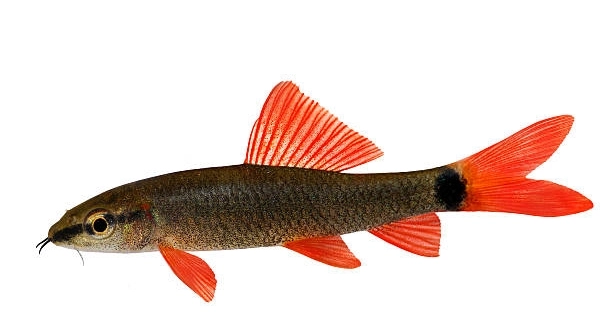
Keeping a Rainbow Shark healthy involves more than just feeding it regularly. Many owners struggle with their fish becoming overweight, which can affect its overall well-being. Proper care and diet play a crucial role in maintaining a balanced weight for this species.
Overfeeding is the primary cause of obesity in Rainbow Sharks. Providing a measured, species-appropriate diet and avoiding excess treats helps prevent weight gain. Regular tank maintenance and monitoring water quality also support the fish’s health and activity levels.
These simple tips will help you manage your Rainbow Shark’s diet effectively. Ensuring the right balance keeps your fish lively and healthy for years to come.
Monitor Feeding Portions Carefully
Controlling how much your Rainbow Shark eats is key to preventing obesity. Feeding small amounts two to three times daily is best. Avoid free feeding, which lets fish eat all day and often leads to overeating. Use a measuring spoon or a small container to ensure the portions are consistent. You can offer flakes, pellets, or frozen foods made specifically for tropical fish. It’s important to remove any uneaten food after five minutes to keep the tank clean and avoid water quality problems. Overfeeding can cause not only weight gain but also water pollution that stresses the fish and encourages disease. Watching how much your Rainbow Shark actually eats helps you adjust portions accordingly. Gradually reducing food if weight gain is noticed will help bring the fish back to a healthy size.
Keeping feedings limited and controlled will promote your fish’s well-being. Healthy feeding routines prevent unnecessary weight issues.
Regular feeding schedules establish consistency. This helps your Rainbow Shark maintain a steady metabolism and reduces unhealthy eating habits.
Provide a Balanced Diet
A Rainbow Shark’s diet should include a variety of foods to ensure proper nutrition. Feeding only one type of food can lead to nutrient deficiencies or excesses. Include vegetable matter such as blanched spinach or zucchini along with protein sources like bloodworms or brine shrimp. This mix mimics the natural diet and keeps the fish active and healthy. Avoid high-fat or overly processed foods that can contribute to fat buildup. Rotating food types can also keep your fish interested and encourage better eating habits. Fresh foods must be washed and prepared carefully to avoid introducing harmful bacteria or chemicals into the tank.
Balanced nutrition supports healthy growth and weight management. Feeding with variety helps prevent boredom and promotes overall vitality.
Occasionally supplementing with algae wafers or spirulina can improve digestion and offer beneficial nutrients. Making thoughtful food choices is a practical way to avoid excess weight gain and keep your Rainbow Shark vibrant.
Maintain Proper Tank Conditions
Consistent tank maintenance helps keep your Rainbow Shark active and healthy. Clean water encourages movement, which aids weight control.
Regular water changes remove waste and toxins that can stress your fish. Stress often causes reduced activity and overeating, leading to weight gain. Keep the water temperature between 72°F and 79°F, and ensure proper filtration for oxygenation. A well-maintained tank replicates the fish’s natural environment, encouraging swimming and exploration. Decorations like rocks and plants create hiding spots but should leave enough open space for swimming. Monitor water parameters such as pH, ammonia, nitrite, and nitrate levels to avoid toxic buildup. A clean, stable environment supports the fish’s metabolism and prevents lethargy.
Healthy tank conditions promote natural behavior. Active fish use more energy, reducing the risk of becoming overweight.
Encourage Physical Activity
Providing ample swimming space encourages your Rainbow Shark to stay active. Larger tanks allow more movement and exercise. Avoid overcrowding the tank, which limits swimming room and causes stress. Position decorations strategically to create swim-through areas that stimulate exploration. Adding a gentle current or bubble stream can motivate swimming without overwhelming the fish. Regular interaction, like moving tank ornaments or feeding with a target, can also increase activity. An active fish burns calories more efficiently and maintains a healthy weight. Exercise reduces fat buildup and improves overall well-being.
Encouraging activity through tank design and environment helps manage weight naturally. Engaged fish are healthier and less prone to obesity.
Avoid Overfeeding Treats
Treats should be given sparingly to prevent extra calories. Too many snacks can quickly lead to weight gain.
Limit treats like bloodworms or brine shrimp to once or twice a week. These high-protein foods are best used as supplements, not main meals.
Regularly Monitor Your Fish’s Weight
Tracking your Rainbow Shark’s weight helps catch early signs of obesity. Use visual cues like body shape and swimming behavior to assess health.
Healthy fish have a streamlined body without bulging sides. If the fish looks swollen or sluggish, adjustments in diet and care may be needed to restore a proper weight.
Avoid Feeding Before Tank Cleaning
Feeding right before cleaning can stress the fish and worsen digestion.
Feeding should be scheduled well before maintenance to allow digestion and avoid discomfort during cleaning.
FAQ
How do I know if my Rainbow Shark is overweight?
Signs of an overweight Rainbow Shark include a rounded or swollen belly, reduced activity, and difficulty swimming. The body may look wider than usual, especially around the stomach area. Healthy Rainbow Sharks have a sleek, streamlined shape. If your fish seems sluggish or hides more often, these could be signs of excess weight or stress. Regularly observing your fish’s shape and behavior helps catch weight issues early before they become serious.
Can overfeeding cause health problems besides weight gain?
Yes, overfeeding can lead to several health problems beyond obesity. Excess food decomposes in the tank, reducing water quality and increasing harmful ammonia and nitrate levels. Poor water conditions stress the fish and can cause diseases such as fin rot or infections. Overfed fish may also suffer from digestive issues or swim bladder disorders, affecting their buoyancy and swimming ability. Proper feeding amounts help maintain both your Rainbow Shark’s weight and overall health.
What foods are best to feed a Rainbow Shark?
Rainbow Sharks thrive on a varied diet that includes high-quality pellets or flakes designed for tropical fish. Supplement their diet with occasional live or frozen foods like bloodworms, brine shrimp, and daphnia to provide protein. Adding some vegetable matter, such as blanched spinach or zucchini, supports digestion and mimics their natural diet. Avoid feeding only one type of food to prevent nutrient deficiencies and overeating due to boredom.
How often should I feed my Rainbow Shark?
Feed your Rainbow Shark small portions two to three times daily. Spreading out the feeding encourages steady digestion and prevents overeating. Remove any uneaten food after five minutes to keep the tank clean and avoid water pollution. Avoid free feeding, which allows the fish to eat at any time and often leads to weight gain. Sticking to a schedule helps maintain your fish’s metabolism and weight.
Can tank size affect my Rainbow Shark’s weight?
Yes, a small or overcrowded tank can limit your Rainbow Shark’s swimming space, reducing exercise and increasing the risk of weight gain. Rainbow Sharks need at least a 30-gallon tank with enough open areas to swim freely. Proper tank size encourages activity, which burns calories and supports a healthy weight. Crowding also causes stress, which can lead to poor eating habits and illness.
What role does water quality play in preventing obesity?
Good water quality promotes fish health and activity, both important in preventing obesity. Poor water conditions cause stress, making fish less active and more prone to overeating or irregular feeding behavior. Regular water changes, proper filtration, and monitoring of pH and ammonia levels keep the environment stable. A clean tank helps your Rainbow Shark stay energetic and burn calories naturally.
Should I use supplements or vitamins for my Rainbow Shark?
Most Rainbow Sharks get the nutrients they need from a varied diet of quality fish foods. Supplements are generally not necessary if feeding is balanced and diverse. However, adding foods like spirulina or algae wafers can improve digestion and offer extra vitamins. Always introduce any supplements cautiously and avoid overfeeding to prevent unwanted weight gain.
Is it okay to feed my Rainbow Shark human food?
Feeding human food to Rainbow Sharks is not recommended. Many human foods are harmful or lack the proper nutrients for fish. Some ingredients can pollute the tank or cause digestive issues. It’s best to stick to fish-specific foods designed for their dietary needs. Offering appropriate commercial or live foods ensures proper nutrition without risk to their health.
How can I encourage my Rainbow Shark to be more active?
Create an environment that stimulates swimming and exploration. Use decorations and plants to build swim-through spaces, and avoid overcrowding. Adding a gentle current or bubble stream can encourage movement without stress. Interactive feeding, such as using feeding rings or hand-feeding, can also increase activity. Active fish burn calories more efficiently and maintain a healthy weight.
What should I do if my Rainbow Shark becomes overweight?
If you notice your Rainbow Shark gaining excess weight, reduce feeding portions gradually and increase tank maintenance to improve water quality. Introduce more opportunities for exercise by rearranging tank decor to encourage swimming. Monitor the fish closely for signs of illness and consult a veterinarian if necessary. Adjusting diet and environment helps return your fish to a healthy size over time.
Maintaining a healthy weight for your Rainbow Shark is essential for its overall well-being and longevity. Overweight fish are more prone to health issues, including reduced mobility and increased risk of disease. By following a proper feeding routine, providing a balanced diet, and ensuring a clean tank environment, you can help your fish stay fit and active. Attention to these details will create the right conditions for your Rainbow Shark to thrive without the risk of becoming overweight. Consistency is key in keeping your fish healthy.
Feeding your Rainbow Shark the right amount and type of food is one of the most important steps in weight management. Avoiding overfeeding and limiting treats helps prevent unnecessary weight gain. A varied diet that includes both protein and vegetable matter keeps the fish nourished and interested in their meals. Removing uneaten food promptly maintains water quality and prevents health problems caused by poor tank conditions. Monitoring your fish regularly allows you to notice any changes in behavior or appearance that might indicate weight issues early on.
Creating an environment that encourages activity also supports a healthy weight. A spacious tank with proper decorations that allow swimming helps your Rainbow Shark stay active and burn calories naturally. Regular maintenance, including water changes and monitoring water quality, reduces stress and promotes natural behavior. Taking these measures will not only prevent your fish from becoming overweight but also contribute to its overall happiness and vitality. Caring for your Rainbow Shark with attention and consistency ensures a long, healthy life.

Hello,
If you enjoy the content that we create, please consider saying a "Thank You!" by leaving a tip.
Every little bit helps us continue crafting quality advice that supports the health, happiness, and well-being of pets around the world, for pets of all shapes, sizes, and species.
We really appreciate the kindness and support that you show us!