
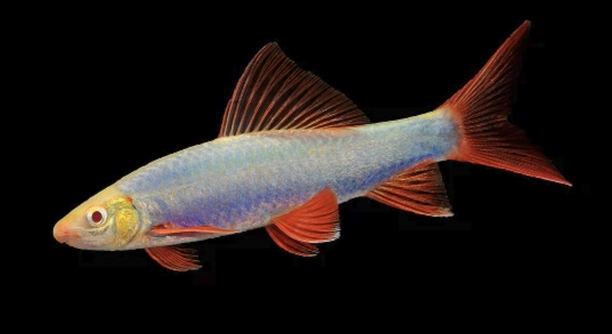
Rainbow sharks are popular aquarium fish known for their vibrant colors and active behavior. However, they can sometimes become aggressive, causing stress to other fish and difficulty for owners. Managing their behavior is important for a peaceful tank environment.
Aggression in rainbow sharks often results from territorial disputes, overcrowding, or improper tank conditions. Maintaining sufficient space, providing hiding spots, and minimizing stress through proper care are essential strategies to reduce hostile behavior and promote harmony among fish.
Understanding how to keep your rainbow shark calm will improve the health of your aquarium. The tips ahead offer clear ways to prevent aggression and support a balanced aquatic home.
Provide Adequate Space for Swimming
Rainbow sharks need plenty of room to swim freely. A cramped tank can increase stress and trigger aggressive behavior. Ideally, your aquarium should be at least 30 gallons for one rainbow shark. This size allows the fish to establish its territory without feeling threatened. Adding plants and decorations gives extra hiding spots, which help reduce conflicts. It’s important to arrange the tank so the shark can swim away from other fish when it wants. Overcrowding can cause constant competition for space, making your rainbow shark more likely to act out.
Proper tank size and setup support your fish’s natural behavior, helping to keep aggression low and comfort high.
Carefully planning your aquarium layout is a key step in maintaining a peaceful tank. Giving your rainbow shark room to swim and retreat will make a big difference in its temperament and overall well-being.
Maintain Good Water Quality
Keeping the water clean and stable is crucial for your rainbow shark’s health. Poor water quality causes stress, which can increase aggression and lead to disease. Regular water changes help remove waste and keep ammonia, nitrites, and nitrates at safe levels. Testing water parameters often ensures the environment stays ideal. Proper filtration is necessary to circulate water and remove toxins. Keep the temperature steady between 74°F and 80°F to avoid stress. Stress weakens the fish’s immune system, making it more likely to act aggressively. Clear, clean water contributes to a calmer, healthier fish. Monitoring water quality consistently prevents many common issues.
Water conditions directly affect your rainbow shark’s behavior. Ensuring clean, stable water limits stress and helps maintain a peaceful aquarium. Consistent care of the water environment supports the well-being of all your tank inhabitants.
Avoid Overcrowding
Overcrowding often causes rainbow sharks to become territorial and aggressive. Limiting the number of fish in your tank reduces stress and conflict.
Keeping fewer fish ensures each one has enough space to swim and claim its territory. Overcrowding not only leads to fights but also decreases water quality faster due to waste buildup. Fish under stress are more likely to show aggressive behaviors as they compete for resources. Monitoring the tank population helps maintain a calm environment. A balanced number of fish promotes healthier interactions and reduces tension among tank mates.
When planning your aquarium, consider the adult size of your rainbow shark and other species. Providing enough space prevents overcrowding and allows peaceful coexistence. A well-sized tank with an appropriate number of fish encourages natural behaviors without unnecessary aggression.
Feed a Balanced Diet
A well-rounded diet keeps rainbow sharks healthy and less likely to act out. Poor nutrition can increase stress and irritability.
Rainbow sharks need a varied diet including high-quality flakes, pellets, and occasional live or frozen foods like bloodworms or brine shrimp. Feeding small portions two or three times a day helps maintain steady energy levels. Avoid overfeeding, which can pollute the tank and harm water quality. Proper nutrition supports their immune system and overall health, reducing aggression caused by hunger or weakness.
Including vegetable matter in their diet, such as spirulina or blanched vegetables, also promotes better digestion. A balanced diet strengthens your rainbow shark, making it more resilient and calm within the aquarium environment.
Provide Plenty of Hiding Spots
Hiding places help rainbow sharks feel secure and reduce aggression. Use rocks, plants, and decorations to create safe areas.
When your fish has places to retreat, it is less likely to feel threatened or territorial. These spots give peace and lessen conflicts between tank mates.
Keep Compatible Tank Mates
Choose peaceful, non-aggressive fish to live with your rainbow shark. Avoid other territorial species or fish with similar shapes and colors to prevent fights.
Monitor Behavior Regularly
Watch your rainbow shark’s interactions closely. Early signs of aggression allow you to adjust tank conditions or separate fish before problems worsen.
FAQ
Why does my rainbow shark act aggressively only sometimes?
Rainbow sharks can be peaceful but may show aggression during feeding, breeding, or when their territory feels threatened. Stress from changes in the tank, overcrowding, or poor water conditions can also trigger occasional aggressive behavior. It is normal to see some territorial displays, but constant aggression signals a problem.
How can I tell if my rainbow shark is too stressed?
Signs of stress include hiding excessively, loss of appetite, faded colors, or erratic swimming. Aggression towards other fish can also indicate stress. Monitoring water quality and tank conditions often helps identify the cause. Addressing stress early prevents health problems and reduces aggressive behavior.
Is it okay to keep more than one rainbow shark in the same tank?
It’s generally not recommended to keep multiple rainbow sharks in a small tank. They are territorial and may fight. If you want more than one, a very large tank with plenty of hiding spaces is necessary. Even then, conflicts can happen, so watch their behavior closely.
Can adding decorations reduce aggression?
Yes, decorations like rocks, plants, and caves create hiding spots and break up lines of sight. This reduces territorial disputes by giving fish places to retreat and claim their own space. A well-decorated tank often results in calmer rainbow sharks.
How often should I change the water to keep aggression down?
Performing weekly water changes of 20-30% is recommended to maintain clean water and stable conditions. Good water quality reduces stress, which helps prevent aggression. More frequent changes may be needed if the tank is crowded or filtration is weak.
What should I feed my rainbow shark to keep it calm?
Feed a varied diet with high-quality flakes, pellets, and occasional live or frozen foods like bloodworms or brine shrimp. Avoid overfeeding to prevent water quality problems. Including plant-based foods like spirulina or vegetables helps with digestion and overall health.
Can lighting affect my rainbow shark’s aggression?
Lighting can impact fish behavior. Too bright or constant light may stress your rainbow shark. Provide a regular day-night cycle with about 8-10 hours of light, and consider dimming lights or adding floating plants to create shaded areas.
Is it necessary to separate aggressive rainbow sharks?
If aggression is severe and causing injury, separating the fish is best. You can move the aggressive fish to another tank or use a divider. Long-term solutions include increasing tank size, improving hiding spots, and adjusting tank mates.
Do rainbow sharks become less aggressive as they grow?
Aggression may decrease with age, but it depends on the individual fish and environment. Proper tank setup and care are more important in managing aggression than age alone. Some adult rainbow sharks remain territorial throughout their lives.
Can stress cause illness in rainbow sharks?
Yes, stress weakens the immune system, making rainbow sharks more prone to diseases like fin rot and infections. Keeping water clean, feeding well, and minimizing aggression lowers stress and supports good health.
Final Thoughts
Keeping a rainbow shark calm and non-aggressive requires attention to its environment and care. Ensuring the tank is spacious enough and not overcrowded is one of the most important steps. When the fish has enough room to swim and claim its territory, it is less likely to feel threatened or stressed. Including plenty of hiding spots like plants and decorations also helps the fish feel secure. These simple changes can reduce fights and create a peaceful aquarium.
Water quality plays a key role in maintaining a healthy, calm rainbow shark. Regular water changes and proper filtration keep the environment clean and stable. This prevents stress that can trigger aggression and illness. Feeding a balanced diet with good nutrition supports the fish’s overall well-being. Avoiding overfeeding and providing varied foods helps keep the fish healthy and less irritable. Monitoring behavior regularly is also important. Early signs of aggression or stress allow quick adjustments before problems worsen.
Patience and consistency are essential when caring for rainbow sharks. Aggression can often be managed by following good care routines and creating a comfortable environment. It may take time to see results, but steady effort benefits your fish and tank community. Each aquarium is unique, so observing your fish and adapting to its needs will help keep aggression in check. A well-maintained tank promotes harmony among fish and makes the aquarium more enjoyable to watch.

Hello,
If you enjoy the content that we create, please consider saying a "Thank You!" by leaving a tip.
Every little bit helps us continue crafting quality advice that supports the health, happiness, and well-being of pets around the world, for pets of all shapes, sizes, and species.
We really appreciate the kindness and support that you show us!