
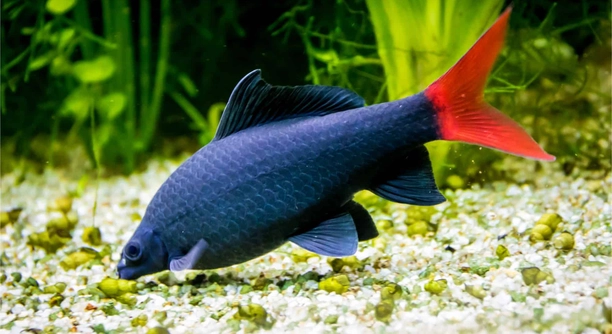
Are your rainbow sharks showing signs of stress or aggression toward their tankmates, leaving you unsure of how to handle the situation?
The best way to keep rainbow shark tankmates safe is by providing ample space, choosing compatible species, and maintaining ideal water conditions. These steps reduce territorial behavior and promote a more peaceful aquarium environment.
Creating the right balance in your tank will help both your rainbow shark and its companions live healthier, calmer lives.
Choose the Right Tankmates
Rainbow sharks can be territorial, especially in smaller tanks. Picking the right tankmates is the first step in avoiding conflict. Peaceful, fast-swimming fish that stay near the top or middle of the tank usually work best. Avoid bottom dwellers and fish with long fins, as rainbow sharks can become aggressive toward them. Good choices include danios, barbs, and rasboras. These species tend to move quickly and don’t compete for the same space as the rainbow shark. Choosing tankmates that are similar in size is also important. Very small fish may be seen as prey, while much larger fish could intimidate or injure your shark.
Rainbow sharks do best with tankmates that don’t challenge their space and can keep up with their energy level.
Avoid adding slow-moving or territorial fish that will likely clash with your rainbow shark. Tankmate compatibility is key to maintaining a calm and safe environment for all fish.
Provide Enough Space
A crowded tank increases stress and aggression. Rainbow sharks are active swimmers and need room to establish territory without feeling threatened.
A minimum tank size of 55 gallons is recommended when housing rainbow sharks with other species. This gives each fish plenty of space to move and claim its own area. Use decorations like rocks, caves, and plants to create natural boundaries and hiding spots. These help reduce visibility between fish, which lowers tension and aggressive behavior. It’s also helpful to spread out feeding zones to limit competition. Overcrowding not only increases aggression but also leads to water quality issues. Poor conditions can cause health problems and make fish more defensive. Keeping the tank well-filtered and monitoring water parameters regularly will support a balanced environment. A well-planned tank layout, along with sufficient space, greatly reduces the risk of conflict and helps ensure that your rainbow shark and its tankmates can live peacefully.
Maintain Stable Water Conditions
Unstable water conditions can make rainbow sharks more aggressive and anxious. Clean, well-balanced water helps reduce stress and keeps all fish healthy.
Keep the water temperature between 75–81°F, with a pH range of 6.5–7.5. Ammonia and nitrite levels should always be at zero, while nitrates should be kept below 40 ppm. Perform weekly water changes of about 25% and use a quality filter to keep the tank clean. Avoid sudden temperature changes or chemical spikes, as rainbow sharks are sensitive to environmental shifts. Test the water regularly to stay ahead of any issues. A reliable heater and thermometer can help maintain a steady temperature. Using live plants can also improve water quality and provide natural cover. When conditions are stable, rainbow sharks behave more calmly, reducing their risk of lashing out at tankmates.
Consistent water quality also lowers the chance of illness. Fish that are healthy are more likely to be calm and less defensive.
Feed a Balanced Diet
Feeding your rainbow shark the right mix of food can reduce aggressive behavior during mealtimes and support their overall health.
Rainbow sharks are omnivores. Offer a mix of sinking pellets, algae wafers, and occasional treats like blanched vegetables or protein-rich snacks such as bloodworms. Feed once or twice a day, only as much as they can finish in two minutes. Uneaten food can pollute the water and lead to stress. If other fish feed at different levels of the tank, consider using food types designed for top or mid-level feeders to avoid competition. Feeding in separate spots helps reduce tension. A healthy, well-fed fish is less likely to fight or defend its food. Monitoring feeding habits also helps catch signs of illness early, such as loss of appetite or slow movement. Balanced nutrition makes a real difference in their behavior and well-being.
Reduce Bright Lighting
Too much bright light can make rainbow sharks feel exposed and anxious. Use low to moderate lighting and provide shaded areas using plants or decorations. A calmer setting helps reduce aggressive behavior and supports healthier fish interactions throughout the tank.
Keep the lights on for 8–10 hours a day, then switch them off to mimic a natural day-night cycle. Consistent lighting patterns help keep fish behavior stable and predictable.
Avoid Adding Similar-Looking Fish
Rainbow sharks often become aggressive toward fish that look like them, especially those with a similar body shape or color. Red-tailed sharks and other shark-like species should not be placed in the same tank. These similarities can trigger territorial behavior, leading to ongoing chasing, fin-nipping, or injuries. Even peaceful species that closely resemble rainbow sharks in size and shape may be mistaken as a threat. This can cause stress not just for the new fish, but for the rainbow shark as well. Choosing fish that look clearly different will help maintain a calmer tank environment and reduce unnecessary conflict.
Rearrange the Tank When Needed
Rearranging the decorations can help reset territory claims. This trick works well when introducing new fish or calming existing tension.
FAQ
Can rainbow sharks live with other bottom dwellers?
It’s best to avoid keeping rainbow sharks with other bottom dwellers. These fish are very territorial, especially around the lower areas of the tank. Bottom dwellers like loaches, catfish, and plecos may compete for the same space, which often leads to chasing, nipping, or even injuries. While some aquarists manage to keep them together in very large tanks with lots of hiding spots, the risk of aggression is still high. If you really want a bottom-dwelling species in the same tank, choose a peaceful one and monitor behavior closely. Even then, success will depend on tank size and setup.
What tank size is best for rainbow sharks and tankmates?
A 55-gallon tank is the minimum size recommended for a rainbow shark with a few compatible tankmates. The larger the tank, the better the results. More space allows fish to create their own territories and reduces the chances of aggressive encounters. If you’re planning to keep more than a few tankmates, consider going up to 75 gallons or more. A long, horizontal tank gives the rainbow shark room to swim and patrol without feeling threatened. Smaller tanks make it harder to manage behavior and usually lead to stress, injuries, or health problems among all the fish in the tank.
Can rainbow sharks live with peaceful community fish?
Yes, but only with careful planning. Rainbow sharks can coexist with peaceful community fish, as long as the tank is large enough and the species chosen don’t resemble the shark in shape or behavior. Fast swimmers like danios, rasboras, and some barbs often work well because they occupy different areas of the tank. Avoid slow or timid fish, as they can become targets for chasing. It also helps to introduce the rainbow shark last, so it doesn’t claim the entire tank as its territory. A peaceful community setup is possible, but it takes thought and regular observation.
What are signs of aggression in rainbow sharks?
The most common signs of aggression are chasing, nipping, flaring fins, and guarding specific areas of the tank. These behaviors are usually directed at fish that get too close to the shark’s territory. You might also see the rainbow shark patrolling the bottom of the tank and pushing other fish away. In more severe cases, you’ll notice injuries, torn fins, or fish hiding all the time. Watching your fish closely after adding new tankmates can help you catch aggressive behavior early. If aggression becomes constant or dangerous, it may be necessary to rehome one of the fish.
How do I know if my rainbow shark is stressed?
A stressed rainbow shark may hide more than usual, eat less, or swim erratically. Sometimes, they change color slightly or stay in one corner of the tank for long periods. Stress can also cause them to act more aggressively than normal. Poor water quality, sudden changes in lighting or temperature, overcrowding, or incompatible tankmates are all possible causes. Testing the water and reviewing recent changes in the tank can help you find the source. Once the stressor is removed, your shark’s behavior should improve within a few days. Always address stress early to avoid health issues.
Should I keep more than one rainbow shark in a tank?
Keeping more than one rainbow shark in the same tank is not recommended unless you have a very large aquarium, ideally over 100 gallons. These fish are known to be highly territorial and often won’t tolerate their own kind. In most cases, housing two rainbow sharks together results in serious fighting and injuries. Even if they are raised together from a young age, aggression can still develop as they grow. If you’re set on keeping more than one, make sure the tank has plenty of space, hiding spots, and visual barriers to help reduce conflict—but even then, it’s risky.
What should I do if my rainbow shark keeps attacking other fish?
If your rainbow shark is constantly attacking other fish, the first step is to identify what’s triggering the behavior. Check the tank size, water quality, and whether the tankmates are compatible. If everything seems fine but the aggression continues, try rearranging the tank to disrupt established territories. Adding more decorations or hiding spots can also help. In some cases, you may need to separate the fish or rehome the rainbow shark if peaceful coexistence isn’t possible. Persistent aggression is usually a sign that the tank setup or fish combination needs to change for everyone’s safety.
Final Thoughts
Keeping rainbow shark tankmates safe takes planning and care. These fish are beautiful and active but also known for being territorial. This means they do best with tankmates that won’t challenge them or get in their space. Peaceful, fast-moving fish that swim in the middle or top parts of the tank are usually a better match. Avoid fish that are slow, similar-looking, or live near the bottom. Choosing the right combination of species from the start can prevent many problems later on. It’s not just about picking fish that look nice together—it’s about creating an environment where they can live without stress or injury.
A proper tank setup also makes a big difference. Rainbow sharks need space, hiding spots, and stable water conditions to feel secure. A tank that’s too small or crowded will almost always lead to aggression. Keeping the water clean and well-filtered reduces stress and helps all fish stay healthy. Feeding the right foods and keeping a regular lighting schedule adds to that balance. If something feels off in your tank, small changes—like rearranging decorations or spacing out feeding areas—can often help. Paying attention to how your fish behave and move around the tank will help you catch any early signs of trouble.
Being prepared to make changes is part of responsible fishkeeping. Sometimes, even with the best planning, certain fish just won’t get along. That’s okay. Not every setup will work perfectly the first time. Watching closely, making thoughtful adjustments, and putting the health of your fish first will guide you in the right direction. Over time, you’ll start to notice what works best in your tank. When rainbow sharks have the right environment and the right tankmates, they can live full, active lives without constant stress or fighting. Creating that kind of balance isn’t just good for your rainbow shark—it helps every fish in the tank live better.

Hello,
If you enjoy the content that we create, please consider saying a "Thank You!" by leaving a tip.
Every little bit helps us continue crafting quality advice that supports the health, happiness, and well-being of pets around the world, for pets of all shapes, sizes, and species.
We really appreciate the kindness and support that you show us!