
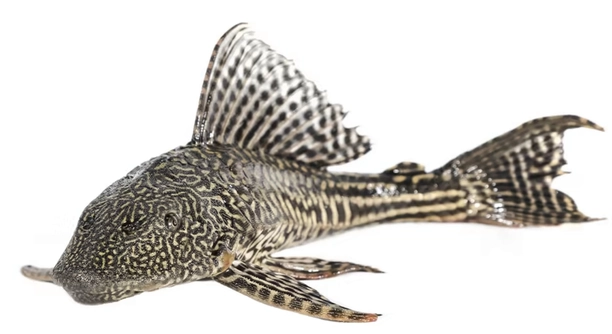
Betta fish and plecos are two popular aquarium pets, but keeping them together can sometimes be tricky. It’s important to understand their behavior and how they interact to ensure a peaceful environment for both.
To successfully keep plecos with betta fish, ensure the tank is large enough, provide plenty of hiding spots, and monitor water conditions. Plecos are bottom dwellers, while bettas are territorial, so creating space and hiding places can reduce stress and conflict.
Learning how to properly care for both species will help prevent issues in your tank. Understanding their needs is key to a peaceful aquarium.
Tank Size Matters
When deciding to house plecos and bettas together, tank size plays a significant role in their well-being. Betta fish are known for their territorial nature, often claiming a specific part of the tank as their own. Plecos, on the other hand, are bottom dwellers and typically mind their own business. However, without enough space, a betta may feel threatened, leading to aggression. A tank that is at least 20 gallons can offer ample room for both species to coexist peacefully.
A tank that is too small may result in stress, which is detrimental to both species. Both fish need their personal space to thrive and reduce the chance of territorial disputes.
Make sure your tank offers enough space for each fish to find its own area, such as the pleco near the bottom and the betta near the middle. This can significantly reduce potential conflicts and create a healthier environment for them both.
Hiding Spots Are Essential
Both bettas and plecos enjoy having areas where they can retreat when they feel stressed or threatened.
Adding caves, driftwood, or plants can provide necessary hiding spots. This is especially important for plecos, as they love to hide during the day. A hiding spot offers them the security they need while ensuring the betta has less opportunity to become territorial. A well-planted tank can reduce aggression by offering both fish the comfort of personal space.
Water Conditions Are Key
Maintaining stable water conditions is crucial for both bettas and plecos. Bettas prefer warmer water with a temperature range of 76-81°F, while plecos generally enjoy temperatures around 72-78°F. To ensure both species thrive, aim for a middle ground of about 78°F, which should be comfortable for both.
Regular water changes and proper filtration are essential. Bettas are sensitive to poor water quality, so make sure to keep the tank clean. Plecos help maintain the cleanliness by consuming algae, but that doesn’t mean they can replace regular tank maintenance. A reliable filtration system will help keep the water clear and healthy for both fish.
Pay attention to the pH and hardness of the water as well. Bettas prefer slightly acidic to neutral water (pH 6.5-7.5), while plecos generally tolerate a wider range. Monitoring these levels can prevent issues that might arise due to poor water quality, ensuring a better environment for both fish.
Feeding Time
Both bettas and plecos have different dietary needs, so it’s important to feed them accordingly. Bettas are carnivorous and should be fed a high-protein diet, such as pellets or frozen food like bloodworms. Plecos, on the other hand, are primarily herbivores and should be offered algae wafers, blanched vegetables, and occasional protein-rich treats.
Feeding them separately can help prevent competition for food, especially since plecos often stay at the bottom of the tank while bettas may stay at the surface. Be mindful of the amount of food you offer, as leftover food can quickly degrade water quality.
Also, remember that plecos are known to grow quite large, so it’s important to adjust their feeding portions accordingly. Overfeeding plecos can result in unhealthy water conditions due to uneaten food. Make sure to monitor both species’ diet to keep them healthy and prevent excess waste buildup.
Monitor Behavior Regularly
Keeping an eye on both fish’s behavior is key. Bettas can become aggressive, especially toward other males or fish with long fins. If you notice your betta chasing or nipping at the pleco, this is a sign they are stressed or feeling territorial.
If this happens, you may need to adjust the tank setup, adding more hiding places or rearranging decorations. Monitoring behavior ensures that no fish is being harassed or stressed, leading to a healthier environment. Regular observation helps catch any potential issues before they escalate, so make adjustments early on.
Additionally, if the pleco is showing signs of stress, such as staying hidden too often or not eating, it may be a sign that it’s not comfortable in the tank setup. Keeping the peace in the tank means constantly checking on them to make sure everything is running smoothly.
Compatibility of Fish Types
Not all plecos are suitable tank mates for bettas.
The size and temperament of the pleco should be considered. Smaller species, like the bristlenose pleco, tend to get along better with bettas compared to larger, more aggressive species. Larger plecos might intimidate a betta, which could lead to conflict.
Selecting a more peaceful pleco can reduce aggression and stress in the tank. Keep in mind that plecos need to be well-fed and not compete with the betta for food, which could further reduce any tension. Choose your plecos wisely to ensure a peaceful tank.
Tank Decoration
Proper tank decoration can make a big difference in the harmony of your aquarium.
Adding plants, rocks, or driftwood can create natural boundaries, giving both the betta and pleco their own space. Plecos especially enjoy hiding in caves or crevices, while plants can help break up the territory that the betta might claim.
FAQ
Can bettas and plecos live together peacefully?
Yes, bettas and plecos can live together peacefully if the proper conditions are met. They have different habits and needs, which can complement each other. Bettas are territorial, but plecos tend to stay at the bottom and are not usually aggressive. The key is making sure the tank is large enough, with hiding spots for the pleco and enough space for the betta to claim its territory. Keeping a close eye on their behavior is essential, as any signs of aggression from the betta should be addressed quickly.
What size tank do I need for bettas and plecos?
A tank that is at least 20 gallons is ideal for keeping a betta and pleco together. Betta fish are territorial and need their own space, while plecos require room to roam at the bottom of the tank. A larger tank gives both fish the freedom to claim their areas without feeling crowded, which reduces stress and the chances of aggression. A smaller tank may lead to problems like territorial disputes and poor water quality.
How can I prevent my betta from attacking the pleco?
The best way to prevent your betta from attacking the pleco is by ensuring the tank has enough hiding spots and space for both fish. The pleco needs places to hide, like caves or dense plants, so it doesn’t feel threatened. Rearranging the decorations in the tank can also help break up the betta’s territory and reduce the chances of aggression. If the betta continues to attack the pleco, you may need to separate them temporarily or use a tank divider to give both fish a safe space.
Are plecos aggressive toward bettas?
Plecos are generally peaceful fish and tend to keep to themselves. They are bottom dwellers, so they don’t often interact with bettas, especially when they have plenty of hiding spots. However, certain pleco species may become more active during feeding time, which can cause some temporary competition for food. As long as the betta is well-fed and has enough space, the pleco will generally not pose a threat. Still, it’s important to choose a pleco species with a calm temperament, like the bristlenose pleco.
How often should I feed plecos and bettas?
Bettas should be fed twice a day, with small portions of high-protein food such as pellets, frozen bloodworms, or brine shrimp. Plecos should be fed less frequently, usually every 2-3 days, depending on their size and the algae in the tank. They can eat algae wafers, blanched vegetables like zucchini or cucumber, and sometimes even small amounts of protein. Overfeeding can lead to poor water quality, so it’s important to monitor how much food is consumed and remove any leftovers after a few hours.
Can I feed my betta and pleco the same food?
No, bettas and plecos have different dietary needs, so it’s not advisable to feed them the same food. Bettas are carnivorous and need protein-rich foods, while plecos are primarily herbivores and need plant-based foods. While plecos may occasionally eat small amounts of protein, their main diet should consist of algae and vegetables. It’s important to feed them separately to ensure that each fish gets the proper nutrition it needs and that no one is left hungry or overfed.
What should I do if my betta is constantly chasing the pleco?
If your betta is constantly chasing the pleco, it could be a sign of stress or territorial behavior. First, check if the tank has enough hiding spots and space. Add more plants or decorations to create boundaries between their territories. If the chasing continues, you might need to separate them temporarily to reduce the stress. In extreme cases, you may need to adjust the tank setup further or even reconsider keeping them together. It’s important to address the issue quickly to avoid injury or long-term stress on the fish.
What other fish can live with bettas and plecos?
When keeping bettas and plecos together, it’s important to choose tank mates that are non-aggressive and have similar water needs. Peaceful species like neon tetras, Corydoras catfish, or snails can be good companions. Avoid fish with long fins that might trigger the betta’s territorial behavior or aggressive species that could harm the pleco. Always ensure there’s enough space for all fish and that the tank is properly set up with hiding spots to give everyone a safe space.
How can I maintain good water quality in a tank with both bettas and plecos?
To maintain good water quality, regularly monitor the tank’s water parameters such as pH, ammonia, nitrites, and nitrates. Perform regular water changes—about 25-30% weekly—to keep the water clean and free from toxins. A good filtration system is essential, especially since plecos can create additional waste as they eat algae. Ensure the filter is gentle enough not to stress the betta but strong enough to keep the water clean. Properly feeding the fish and removing any uneaten food will also help maintain the water quality.
What should I do if the pleco isn’t eating?
If your pleco isn’t eating, check for signs of stress, such as staying hidden too often or being inactive. It’s important to make sure the pleco has access to food, as bettas may sometimes be more aggressive during feeding times. Offering different types of food, such as algae wafers, blanched vegetables, or sinking pellets, can encourage the pleco to eat. Also, ensure the water conditions are stable, as poor water quality can affect a pleco’s appetite. If the issue persists, consider consulting an aquarium specialist to rule out any health problems.
Final Thoughts
Keeping plecos and bettas together can be a rewarding experience if done correctly. Both species have different needs, but with the right tank setup, they can coexist peacefully. The key factors to consider are tank size, hiding spots, and water conditions. A larger tank, around 20 gallons or more, provides ample space for both fish to establish their own territories. This reduces stress and the likelihood of aggressive behavior. Ensuring your pleco has plenty of hiding spots, such as caves or plants, will give it a sense of security. This is important because plecos are shy and prefer to stay hidden during the day. Bettas, on the other hand, are more active and territorial, so having enough space helps them feel comfortable and less likely to become aggressive.
Monitoring behavior is another important aspect of keeping bettas and plecos together. Bettas can be territorial, especially if they feel their space is being invaded. If you notice any signs of aggression, such as chasing or fin nipping, it’s essential to address the issue right away. Adding more decorations or rearranging the tank setup can help create more separation between the two fish. It’s also important to feed them separately to avoid competition for food. Bettas should be fed high-protein food, while plecos require a mostly plant-based diet. Keeping their dietary needs separate will ensure both fish are well-fed without interfering with each other’s meals.
Lastly, the overall health of your tank plays a major role in ensuring both fish live happily. Regular water changes, a reliable filtration system, and monitoring the water parameters will help keep the environment stable for both the betta and the pleco. Water quality should be checked regularly to ensure it remains clean and safe for both fish. With these basic guidelines in mind, you can create a peaceful and healthy environment for your betta and pleco to thrive together. Taking the time to understand their unique needs will lead to a successful and harmonious aquarium.

Hello,
If you enjoy the content that we create, please consider saying a "Thank You!" by leaving a tip.
Every little bit helps us continue crafting quality advice that supports the health, happiness, and well-being of pets around the world, for pets of all shapes, sizes, and species.
We really appreciate the kindness and support that you show us!