
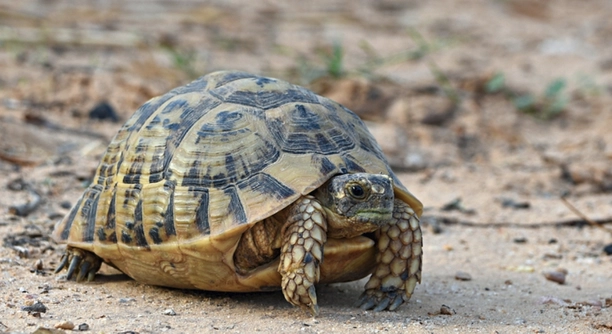
Greek tortoises are beloved pets, but when kept outdoors, they face risks from predators. It’s essential to provide them with protection to ensure their safety and well-being in the wild. Understanding how to safeguard them is crucial.
To protect your Greek tortoises from predators, you must implement preventive measures such as creating secure enclosures, utilizing barriers, and ensuring proper hiding spots. Vigilance is key, as even seemingly harmless creatures can pose a threat.
By understanding the steps to keep your tortoises safe, you can enjoy peace of mind knowing they are protected. With the right precautions, their outdoor adventures will be both safe and enjoyable.
Create a Safe Enclosure for Your Tortoise
A secure enclosure is one of the most important ways to keep your Greek tortoise safe from predators. The area should be sturdy enough to prevent any animal from getting through. A wooden or metal fence that’s at least 18 inches high is ideal. This helps ensure your tortoise stays within a safe area, while predators like dogs or larger animals cannot easily get in. Make sure the walls of the enclosure are dug into the ground to prevent animals from digging underneath and gaining access. Adding a roof or mesh netting can provide an extra layer of protection, particularly for smaller or airborne predators.
Providing shelter inside the enclosure is also essential. Create hiding spots where your tortoise can retreat when feeling threatened. These could be simple rocks, logs, or small structures that allow them to feel more secure.
Your tortoise will thrive best when it has space to roam safely. Ensuring the enclosure is secure is the first step to giving them a happy, protected life outdoors.
Keep Predators Out with a Solid Barrier
The importance of having a strong barrier around your tortoise’s enclosure cannot be overstated. Using a high-quality fence will make a noticeable difference in protecting your pet.
A solid barrier keeps predators from getting too close, ensuring your tortoise isn’t in danger. Digging a trench around the base of the fence can also stop burrowing animals from slipping through.
Provide Hiding Spots
It’s crucial to give your Greek tortoise places to hide. Having sheltered spaces helps them feel safe from potential threats. Simple structures like rocks, logs, or small wooden shelters are effective. These hiding spots allow your tortoise to retreat when feeling insecure, making it more likely for them to stay calm.
The hiding spots should be placed throughout the enclosure, ensuring your tortoise has multiple choices to find cover. Make sure these areas are well-hidden yet easily accessible for your tortoise to explore. Not only does this keep them safe, but it also encourages natural behaviors like burrowing and seeking shade.
A variety of hiding spots gives your tortoise more chances to rest and feel secure in its environment. These shelters also help your pet avoid any sudden stress when faced with a threat. The more natural the hiding spots, the more comfortable your tortoise will feel outdoors.
Use a Motion Sensor for Extra Security
Installing a motion sensor can help keep your tortoise safe. These sensors detect movement and alert you to nearby predators, giving you time to act if needed. Motion detectors can also help you monitor what’s happening around your tortoise’s enclosure.
They are simple to install and can provide peace of mind. The sensors will not only warn you of approaching predators but can also be set up to trigger an alarm or a light to deter unwanted animals. This gives you an extra layer of protection, especially at night.
Adding a motion sensor is an affordable way to increase security for your tortoise. It ensures that you’ll know right away if a predator comes too close to the enclosure. Combining this with other safety measures will significantly lower the risks your tortoise faces outdoors.
Keep the Area Well-Maintained
A well-maintained outdoor space helps keep predators away and gives your tortoise a safer environment. Make sure to regularly check the enclosure for any damage and repair it immediately. Trim back any overgrown plants or shrubs that could give predators cover. Keeping the area tidy reduces potential hiding spots for dangerous animals.
Regularly inspect the enclosure to ensure it remains secure. Look for loose fences or areas where animals might get in. Taking the time to maintain the space will reduce the chances of any predators slipping through unnoticed. It also helps your tortoise’s habitat stay comfortable and safe.
Monitor Your Tortoise’s Health
Keeping your tortoise healthy and active is essential for its safety outdoors. A healthy tortoise is better equipped to avoid potential threats, especially if it needs to escape. Make sure to provide a balanced diet, proper hydration, and regular check-ups with a vet.
A strong tortoise is also more likely to react swiftly to potential dangers. Keeping your tortoise’s health in check is a key part of ensuring its safety while outside. Regularly observe your pet for any signs of illness or distress and address them quickly.
Use a Secure Lid for Outdoor Habitats
For added security, using a secure lid on your tortoise’s outdoor habitat can help protect it from airborne predators. A sturdy mesh cover will keep out birds of prey and other potential threats.
FAQ
How can I keep my Greek tortoise safe from dogs?
To protect your Greek tortoise from dogs, ensure the enclosure is fully secure. Build high, solid walls, ideally made of metal or sturdy wood, to prevent dogs from jumping or digging through. If the enclosure isn’t completely secure, consider setting up a smaller, reinforced pen within it for added safety. Always supervise outdoor time, as dogs can sometimes get more curious or aggressive, and a well-built fence will be your best defense.
What types of predators are most dangerous to Greek tortoises?
Common predators that pose a threat to Greek tortoises include foxes, raccoons, stray dogs, and larger birds of prey like hawks. These animals may try to invade the enclosure to attack or snatch your tortoise. Small mammals and birds of prey are especially dangerous because of their ability to sneak in or swoop down from above. Monitoring the area and setting up protective barriers can help reduce the risk.
Can a Greek tortoise defend itself from predators?
Greek tortoises have natural defense mechanisms, such as their hard, protective shells, which they use to withdraw into when threatened. However, this only works if they have enough time and space to hide. In outdoor environments, tortoises may not have sufficient time to retreat before predators get too close. They need a secure and protected environment where they can always escape to safety.
Is it necessary to bring my tortoise inside during the night?
It’s highly recommended to bring your tortoise inside at night, as many predators are more active after dark. Even if the enclosure is secure, nighttime brings increased risk from nocturnal animals like raccoons. Keeping your tortoise indoors can ensure it’s kept safe from unforeseen dangers that may arise under the cover of darkness.
What should I do if a predator attacks my tortoise?
If a predator attacks, the first priority is to ensure your tortoise gets to safety. Once your tortoise is secure, inspect it for any injuries. If any harm is visible, immediately take your tortoise to a vet for proper care. Depending on the severity of the injury, your tortoise may need medication or a period of recovery.
How can I tell if my tortoise is stressed from a predator?
Signs of stress in tortoises include excessive hiding, lethargy, loss of appetite, or defensive behavior. If your tortoise seems unusually withdrawn or hesitant to come out of its shell, it may be reacting to the stress of a nearby predator. Maintaining a calm and secure environment will help reduce these stress responses.
Are motion detectors effective for keeping predators away from my tortoise?
Yes, motion detectors are a useful tool for alerting you to predators that are near your tortoise’s enclosure. They won’t physically keep predators out, but they can serve as an early warning system. If the sensor is connected to an alarm or light, it can also help deter animals by startling them before they get too close.
How do I protect my Greek tortoise from birds of prey?
To keep birds of prey from attacking, use a secure lid or mesh cover over your tortoise’s outdoor habitat. This provides a physical barrier that prevents birds from swooping down and picking up your tortoise. You can also plant tall plants or set up tall structures that may make it harder for birds to spot or reach your tortoise.
Is it safe to leave my tortoise in a free-range area outdoors?
Leaving your tortoise to roam in a free-range area without supervision can be risky. While tortoises need space to roam, an unsecured area exposes them to predators. Instead, consider creating a designated, secure enclosure with barriers to prevent predators from accessing the area. Always keep an eye on your tortoise when outside.
How often should I check my tortoise’s outdoor enclosure for damage?
It’s essential to check the enclosure at least once a week for any signs of damage or wear. Look for loose panels, holes, or signs that animals have attempted to break in. If you notice any issues, fix them immediately to prevent predators from gaining access to your tortoise’s space.
Should I install a camera to monitor my tortoise’s outdoor enclosure?
Installing a camera can provide extra security and peace of mind. A camera can help you monitor the area for any signs of predators or other threats. Additionally, it allows you to check on your tortoise when you’re not physically present. This can be especially useful if you’re concerned about predators at night or when you’re away.
Can Greek tortoises live outside year-round in cold climates?
Greek tortoises are native to warmer climates and are not suited for cold temperatures. In colder climates, it’s best to bring your tortoise indoors during the winter months to protect it from the cold. If you insist on keeping it outdoors year-round, you’ll need to provide a heated indoor shelter or bring the tortoise inside at night during the colder months.
How do I handle potential health problems caused by outdoor exposure?
Exposure to the elements and outdoor conditions can lead to health issues like dehydration, shell rot, or respiratory infections. Ensure your tortoise always has access to fresh water and a shaded area to retreat to. Regular vet check-ups and a clean, dry habitat can help prevent these issues from developing.
Final Thoughts
Protecting your Greek tortoise from predators outdoors is an important task that requires planning and care. Providing a secure enclosure with solid barriers, a roof, and proper hiding spots is the foundation for keeping your tortoise safe. It’s essential to make sure the area is regularly maintained to avoid any damage that could allow predators to sneak in. When you ensure that your tortoise has a safe space to roam, it will feel more comfortable and less stressed, which is key for its overall well-being.
In addition to building a secure enclosure, monitoring the health of your tortoise and considering tools like motion detectors can add an extra layer of security. A healthy tortoise is less likely to be vulnerable to threats, so keeping up with proper care is just as important as protecting them from predators. Motion detectors can alert you to any threats nearby, giving you the chance to act quickly if needed. These added precautions can make all the difference in keeping your tortoise safe, especially if you are not always able to be around to supervise.
Ultimately, your Greek tortoise’s safety is something you should always be mindful of. By providing a secure, well-maintained space, monitoring their health, and considering additional safety measures, you can ensure they are protected from potential dangers. Your tortoise will enjoy the outdoors in a safe and protected environment, which will allow both of you to enjoy the experience more fully. With the right precautions, outdoor time can be enriching and stress-free for both you and your pet.

Hello,
If you enjoy the content that we create, please consider saying a "Thank You!" by leaving a tip.
Every little bit helps us continue crafting quality advice that supports the health, happiness, and well-being of pets around the world, for pets of all shapes, sizes, and species.
We really appreciate the kindness and support that you show us!