
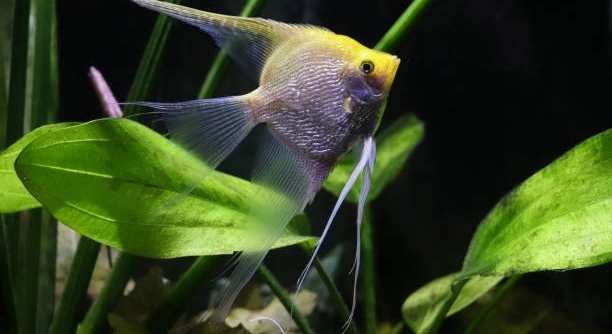
Angelfish are known for their beautiful colors and peaceful nature, making them a popular choice for community tanks. However, keeping them healthy and happy alongside other fish requires some attention to detail and care.
To successfully keep angelfish in a community tank, focus on their dietary needs, tank size, water conditions, and compatibility with other species. Regular water changes and a balanced environment are essential to ensure angelfish thrive without stress or aggression.
By following these simple tips, you can create a peaceful and thriving aquatic environment for your angelfish and other fish species.
Tank Size Matters
When setting up a community tank for angelfish, tank size is one of the most important considerations. Angelfish can grow large and need plenty of space to swim comfortably. A smaller tank will quickly lead to stress, which can affect their health and behavior. A tank size of at least 30 gallons is ideal for a pair of angelfish, with additional space for other species. Overcrowding should be avoided at all costs. If you have a smaller tank, it’s crucial to carefully select compatible fish and monitor water conditions regularly.
A spacious environment ensures that angelfish can establish territories and avoid conflicts with other fish. Larger tanks also offer more stability in terms of water parameters, which is critical for maintaining angelfish health. Having more room allows for the addition of plants, decorations, and hiding spots, which makes the tank feel more like their natural habitat.
Keep in mind that angelfish are territorial and may display aggression, especially during breeding. A large tank with plenty of space will help minimize these behaviors and provide an overall healthier environment for your fish.
Water Conditions are Key
Maintaining proper water parameters is essential to keeping your angelfish healthy. Angelfish prefer slightly acidic to neutral water, with a temperature range between 76°F and 82°F. Consistently monitoring pH and water hardness levels ensures your fish will thrive. Regular water changes of 20-30% are necessary to remove toxins and maintain balance.
The presence of live plants in the tank can help stabilize water quality. They absorb excess nutrients and contribute to oxygenation. Ensuring your filter is adequate for your tank size is also vital, as this will help keep the water clean. Lastly, avoid introducing chemicals or additives that can disrupt the natural balance of the aquarium.
Proper water conditions not only keep angelfish healthy but also support the other fish species in the tank. If the water quality deteriorates, it can lead to stress, disease, and even death for all inhabitants. Keeping the water stable and clean is the foundation of a thriving aquarium.
Fish Compatibility
When choosing tank mates for angelfish, avoid overly aggressive or fast-swimming species. Angelfish are peaceful but can become territorial, especially when breeding. Smaller, timid fish may become targets for bullying, leading to stress or injury. Ideal companions are species that occupy different levels of the tank, such as tetras, gouramis, or peaceful bottom dwellers.
It’s essential to monitor interactions regularly. Even non-aggressive fish can trigger territorial behavior if they get too close to angelfish during feeding or resting. Avoid fin-nipping species, as angelfish have delicate fins that can easily be damaged. Selecting calm, non-competitive fish ensures a peaceful environment for everyone.
Maintaining good compatibility helps your angelfish live stress-free. When their environment is calm and stable, they will display their natural beauty and health. While it’s tempting to introduce a variety of species, it’s best to focus on peaceable community tank members. Always observe your fish’s behavior to ensure no one is being bullied.
Feeding and Diet
Angelfish are omnivores, which means they require both plant-based and protein-rich food in their diet. They thrive on a variety of foods, including high-quality flake food, pellets, and live or frozen options such as brine shrimp and bloodworms. Providing a balanced diet helps them grow strong and healthy.
Feeding your angelfish properly also contributes to water quality. Overfeeding can lead to excess waste, which can cause water pollution. Feed your angelfish once or twice a day, offering only as much food as they can consume within a few minutes. It’s important not to leave uneaten food in the tank.
While variety is key, it’s also important to offer foods that are designed for angelfish. Specific formulations are available that meet their nutritional needs. A well-rounded diet ensures your angelfish stay vibrant and active, avoiding common health problems that arise from poor nutrition.
Tank Decoration
Angelfish appreciate a tank with plenty of places to explore, hide, and establish territories. Soft plants, driftwood, and smooth rocks are great additions. Avoid sharp decorations that could harm their delicate fins. A well-decorated tank mimics their natural habitat, which reduces stress and promotes healthy behavior.
Adding plants also helps maintain water quality by absorbing excess nutrients. However, be cautious about placing too many plants in the tank. Angelfish need open swimming space, so a balance of decor and open areas is essential. Ensure any decorations don’t block their swimming paths or territories.
Providing a varied environment encourages natural behaviors and reduces aggression. A combination of plants and open space helps keep your angelfish calm and active, supporting their overall well-being. Keep the tank’s layout simple but engaging to prevent territorial disputes.
Tank Maintenance
Regular tank maintenance is vital for angelfish health. Perform partial water changes every week, removing about 20-30% of the water to ensure the tank remains clean. Also, clean the filter every few weeks to avoid blockages and maintain good filtration.
Regularly check water parameters such as pH, hardness, and temperature. Ensure the water remains within the ideal range for angelfish. If the water quality begins to drop, the fish will show signs of stress, such as reduced activity or loss of appetite. Keeping up with maintenance avoids these problems and ensures a healthy environment.
Breeding
Breeding angelfish can be rewarding but requires careful planning. They need a flat surface to lay their eggs, like a broad leaf or smooth rock. Make sure the tank has good water quality and a stable temperature to encourage spawning. Angelfish are known to be territorial during breeding, so separate them if aggression arises.
If you’re breeding angelfish in a community tank, keep a watchful eye on the eggs. Other fish may try to eat them, and this could stress the parents. Once the fry hatch, provide appropriate food such as infusoria or finely crushed flakes.
FAQ
How many angelfish can I keep in a 30-gallon tank?
In a 30-gallon tank, you can comfortably house 2 to 3 angelfish. However, this will depend on the size of your tank mates. If you’re adding other species, it’s essential to leave enough space for everyone. Overcrowding can lead to stress and aggression, which can negatively impact the health of all fish. A good rule of thumb is to provide at least 10 gallons of water per angelfish in a community tank.
What is the best tank temperature for angelfish?
Angelfish thrive in warm water, with a temperature range of 76°F to 82°F (24°C to 28°C). Keeping the temperature within this range ensures their metabolism is functioning optimally. It’s crucial to maintain a stable temperature to avoid stressing the fish. Sudden temperature fluctuations can weaken their immune system and make them more vulnerable to diseases. Use a reliable heater and thermometer to monitor the water temperature regularly.
Can I keep angelfish with other types of cichlids?
While angelfish are cichlids, they are generally peaceful and can be kept with other non-aggressive cichlids. However, it’s important to select compatible species. Some cichlids are more territorial or aggressive, which can lead to conflict. Larger cichlids may bully or harass angelfish, especially during breeding times. Stick with peaceful species that share similar water requirements. Species like discus or peaceful dwarf cichlids can coexist with angelfish if space is sufficient and there are no territorial disputes.
Do angelfish need live plants in their tank?
Live plants are beneficial to angelfish tanks. They provide hiding spots, improve water quality by absorbing excess nutrients, and give the tank a more natural look. Angelfish enjoy swimming through plants, as it mimics their natural environment. However, not all plants are suitable for angelfish tanks. Avoid plants with sharp leaves, as they can damage the delicate fins of angelfish. Additionally, ensure the plants don’t overcrowd the tank and leave enough swimming space for the fish.
What are the signs that my angelfish is stressed?
Stress in angelfish can show through various behaviors, such as hiding, reduced appetite, or increased aggression. If your angelfish is constantly hiding or swimming erratically, it could indicate poor water quality, inappropriate tank mates, or overcrowding. When stressed, angelfish may also display darker colors or show signs of fin clamping, where their fins are held tightly against their bodies. If you notice these symptoms, it’s important to address the potential cause quickly by checking water parameters and ensuring the tank environment is suitable.
How often should I feed my angelfish?
Angelfish should be fed once or twice a day. They have small stomachs, so it’s important not to overfeed. Provide them with small amounts of food that they can consume in a few minutes. Overfeeding can lead to water quality issues, as excess food decays and pollutes the water. Additionally, feeding your angelfish a variety of foods, such as flakes, pellets, and live or frozen foods, will ensure they receive a balanced diet. Remove any uneaten food promptly to maintain water quality.
Can angelfish live with bettas?
Angelfish and bettas are not the best tank mates. Bettas are known for their aggressive behavior, particularly towards other fish with long fins, such as angelfish. This aggression can cause significant stress and injuries to both fish. If you do decide to try keeping them together, ensure the tank is large enough to allow each fish to establish its own territory, but it’s generally safer to keep them separate.
Why are my angelfish not eating?
If your angelfish are not eating, it could be due to several factors. Stress from poor water quality, sudden changes in tank conditions, or incompatible tank mates can cause loss of appetite. Ensure the water temperature is within the ideal range and that the tank is clean. Additionally, some angelfish may be picky eaters. Try offering a variety of foods to see if they show interest in a different type of food. If the lack of eating persists, it could indicate a health issue, and a visit to an aquarium veterinarian may be necessary.
Do angelfish require a specific pH level?
Angelfish prefer slightly acidic to neutral water with a pH range of 6.5 to 7.5. If the pH fluctuates significantly, it can cause stress, making the angelfish more vulnerable to diseases. Regularly test the pH of the water using aquarium test kits and adjust it as needed. If you need to lower the pH, you can add driftwood or peat moss, while using buffers to raise it. Stable water conditions are crucial to angelfish well-being.
Can angelfish live with shrimp?
Angelfish can sometimes live with shrimp, but the relationship depends on the type of shrimp. Smaller shrimp species, like ghost shrimp or cherry shrimp, are at risk of being eaten, as angelfish may view them as food. Larger shrimp, such as Amano shrimp, may be safer to keep with angelfish, but there’s always a risk of aggression. If you want to keep both in the same tank, ensure the shrimp have plenty of hiding places, and monitor their interactions closely.
Are angelfish good for beginner aquarists?
Angelfish are generally suitable for beginner aquarists, but they do require specific water conditions and tank maintenance. They are hardy fish that can adapt well to stable environments, but they are sensitive to poor water quality and abrupt changes. If you’re new to fishkeeping, make sure to learn about their specific care requirements and provide a well-maintained tank. With the right preparation, angelfish can be a rewarding fish to keep.
Final Thoughts
Angelfish are beautiful and relatively easy to care for when given the right environment. Their calm nature and stunning appearance make them a popular choice for both beginner and experienced aquarists. With the proper tank size, water conditions, and a few suitable tank mates, they can thrive in a community tank. It’s important to provide them with a space that mimics their natural habitat, which includes plants, open swimming areas, and a stable temperature.
Regular maintenance is essential for keeping angelfish healthy. Monitoring water quality and changing the water regularly ensures they have the best living conditions. Over time, you will become more familiar with their specific needs, such as feeding schedules, preferred tank mates, and how to keep the tank environment stable. It’s also important to observe their behavior for signs of stress, such as hiding or loss of appetite, which can indicate that something in the tank needs adjustment.
By taking the time to learn about angelfish care and creating a suitable environment, you can enjoy their beauty and peaceful behavior for years to come. Whether you have a single angelfish or a small school, these fish can make a wonderful addition to any tank. If you pay attention to their needs, they will reward you with their graceful swimming and vibrant colors. Keeping angelfish in a community tank can be an enjoyable experience with the right preparation and care.

Hello,
If you enjoy the content that we create, please consider saying a "Thank You!" by leaving a tip.
Every little bit helps us continue crafting quality advice that supports the health, happiness, and well-being of pets around the world, for pets of all shapes, sizes, and species.
We really appreciate the kindness and support that you show us!