
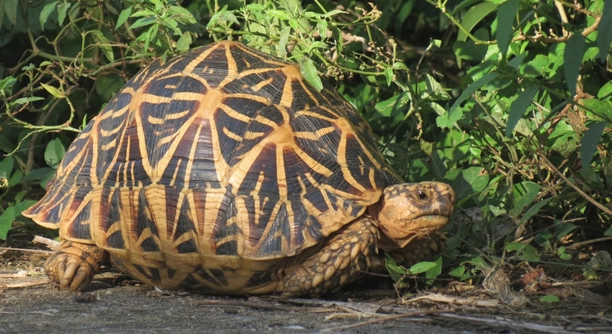
Keeping your turtle’s tank water clear is essential for their health and well-being. Dirty water can lead to health problems and create an unpleasant living environment for your turtle. With a few simple tips, you can keep it crystal clear.
To maintain clear water, regular cleaning, proper filtration, and water treatments are essential. Ensure you have a suitable filter, remove debris, and perform regular water changes to keep your turtle’s tank water clean and healthy.
By following these steps, you can easily manage your turtle’s tank. We’ll cover effective ways to keep your water clear and your turtle happy with minimal effort.
Keep Your Tank Clean with Regular Water Changes
Changing the water in your turtle’s tank regularly is one of the easiest and most effective ways to maintain clear water. Turtles can produce a lot of waste, which can cause the water to cloud quickly. By changing 25-30% of the water every week, you prevent harmful bacteria buildup and reduce the risk of algae growth. This is essential to maintain a healthy environment for your turtle. The cleaner the water, the better your turtle will thrive.
A simple way to start is to use a siphon to remove dirty water. You can even do this while cleaning the tank decorations or scrubbing the sides. Make sure to replace the water with fresh, dechlorinated water to avoid stressing your turtle.
Regular water changes help balance the tank’s ecosystem. The buildup of waste and debris will reduce the chances of cloudiness and the development of harmful toxins. These water changes also provide an opportunity to check the water’s temperature and pH levels. Keeping the water balanced will ensure a healthier environment for your turtle over time.
Invest in a Proper Filtration System
Having the right filter is crucial for maintaining clear water.
A good filter will help keep the water free from debris, waste, and excess food. When choosing a filter, make sure it’s appropriate for your tank size and the type of turtle you have. You want one that can handle the amount of waste your turtle produces, ensuring optimal filtration.
Turtles are messy eaters, and their waste can quickly affect water clarity. A high-quality filter will remove particles that could cloud the water. It’s essential to clean the filter regularly to ensure it’s working properly, as a clogged filter won’t do its job effectively. Additionally, make sure your filter is rated for the size of your tank. If the filter is too weak, it won’t be able to keep up with the waste your turtle creates, leading to murky water. You can also add a pre-filter sponge to catch larger particles, giving your filter a longer life and reducing the frequency of cleaning.
Remove Excess Food After Feeding
Leftover food is a major contributor to cloudy tank water.
Turtles are often given more food than they can consume, and this uneaten food breaks down in the water. To prevent this, remove any uneaten food 20 minutes after feeding. Doing so ensures the water stays clean and reduces the risk of bacteria growth.
You can use a small net or a siphon to remove leftover food. Avoid overfeeding your turtle, as this can lead to both water quality issues and health problems. The less food waste left in the tank, the easier it is to keep the water clear. Regularly checking for leftover food will make a noticeable difference in the clarity of the water.
Clean Decorations and Substrate Regularly
Tank decorations and substrate can trap waste, which contributes to murky water.
Clean the rocks, plants, and other decorations regularly, as debris can get stuck in hard-to-reach areas. A small brush or soft sponge can help remove stubborn particles. Also, vacuum the substrate to eliminate waste buildup. This keeps the tank looking good and prevents the water from becoming cloudy.
If you use gravel or sand as a substrate, stir it occasionally to prevent waste from settling and rotting. Removing debris from the substrate helps maintain a clean environment and reduces organic waste breakdown. Additionally, you might want to replace the substrate periodically, especially if it has a build-up of waste that can’t be cleaned easily. Keeping the substrate clean will have a significant effect on water clarity.
Use Water Conditioners
Water conditioners help maintain a healthy and clear tank.
They neutralize harmful chemicals like chlorine and chloramine in tap water, which can negatively affect your turtle’s health and water quality. Using a water conditioner when doing water changes will make the water safer and clearer.
Adding a water conditioner will also help with the overall balance of the tank, reducing algae growth and improving water clarity. Look for conditioners that specifically target chlorine and heavy metals, as they are common in municipal tap water. These conditioners help keep your turtle’s environment clean without the need for extra effort.
Manage Algae Growth
Algae can quickly make the water cloudy.
To reduce algae, limit the amount of light your tank receives. Keep the tank away from direct sunlight, and don’t leave lights on for too long. Excess light encourages algae growth and can cloud the water.
Using an algae scrubber or algae-eating creatures like snails or shrimp can help manage algae. Make sure to clean any visible algae from the tank regularly, especially on the glass and decorations. Algae growth is a common issue but can be controlled by maintaining proper lighting and cleaning habits.
FAQ
How often should I clean my turtle’s tank?
You should clean your turtle’s tank every week. Perform a partial water change (about 25-30%) to keep the water fresh and free from waste. Additionally, you should remove debris, clean the substrate, and scrub the decorations as needed. This regular maintenance will help prevent the water from becoming cloudy.
Can I use tap water for my turtle’s tank?
Tap water can be used, but it should always be treated with a water conditioner to remove harmful chemicals like chlorine and chloramine. These chemicals can be toxic to turtles. It’s best to let the treated water sit for a few hours before adding it to the tank.
Why is my turtle’s tank water still cloudy after cleaning?
There could be several reasons. A weak or insufficient filter may not be removing waste effectively. Overfeeding your turtle can also lead to leftover food that breaks down in the water, causing cloudiness. Excess algae growth or an improperly balanced tank can also contribute to murky water.
How can I tell if the filter is working properly?
Check the filter’s flow rate to make sure it’s circulating enough water for your tank size. If the flow seems weak or inconsistent, the filter may need cleaning or replacing. Also, check if debris is being trapped in the filter’s media. If it’s not, the filter might not be strong enough for your tank.
What’s the best type of filter for a turtle tank?
A canister filter is often the best choice for turtle tanks because it offers high filtration capacity and can handle the waste turtles produce. It is efficient at removing both fine and coarse debris, keeping the water cleaner for longer. Make sure the filter is rated for the size of your tank.
Should I use a UV sterilizer?
A UV sterilizer can be beneficial if you are struggling with persistent algae blooms or cloudy water caused by bacteria. It helps clear the water by eliminating microorganisms. However, it should not replace regular tank maintenance like water changes or filter cleaning. It’s a helpful tool but not a complete solution.
How can I reduce algae in the tank?
Algae thrives on light, so limit the amount of direct sunlight your tank gets. Keep the lights on for no more than 10-12 hours a day. You can also reduce excess nutrients by cleaning up leftover food and waste. Adding algae-eating creatures like snails or shrimp can also help control algae growth.
Is it safe to add live plants to my turtle’s tank?
Live plants are safe for your turtle’s tank, but they may not last long, especially if your turtle likes to munch on them. If you want plants that can survive in the tank, look for hardy varieties like Anubias or Java Fern. They can also help with water quality by absorbing excess nutrients.
Why does my turtle’s water have a strong smell?
A strong odor usually indicates that waste has built up in the tank. It could be from uneaten food, waste in the substrate, or dirty decorations. Regular cleaning, proper filtration, and removing food debris after feeding can help reduce odors. Ensure you’re also doing water changes consistently.
Can I use a water test kit to check my tank’s water quality?
Yes, using a water test kit is a good way to monitor your tank’s water quality. You can test for pH, ammonia, nitrites, and nitrates. High levels of ammonia or nitrites can be harmful to your turtle and will cause the water to look murky. Regular testing helps ensure the water is balanced.
How can I maintain the right water temperature for my turtle?
To maintain the right water temperature, you’ll need a reliable heater that is suited to the size of your tank. Turtles require a water temperature between 75-80°F (24-27°C). Invest in a thermometer to monitor the temperature, and adjust the heater as necessary to keep it stable.
What is the ideal pH level for turtle tank water?
The ideal pH for a turtle tank is between 6.5 and 7.5, which is slightly acidic to neutral. You can check the pH with a test kit. If the pH is too high or low, it could stress your turtle and cause health problems. Adjusting the water’s pH might require adding buffers or doing partial water changes.
How do I know if my turtle’s tank is overcrowded?
If your tank has multiple turtles or other animals, overcrowding can affect water quality and stress your turtles. A general rule of thumb is to have 10 gallons of water for every inch of turtle shell. If the tank is too small, it will be harder to keep the water clear, and your turtles may become stressed.
What should I do if my turtle’s tank is always cloudy?
If your turtle’s tank is constantly cloudy, it’s likely due to a combination of factors. Ensure your filter is properly rated for your tank, clean the substrate regularly, and perform consistent water changes. Excess food, algae, or poor lighting may also contribute to the problem. Check these factors to find the cause.
Keeping your turtle’s tank water crystal clear is important for both the health of your turtle and the overall cleanliness of the tank. By following the right steps, like regular water changes, using a proper filtration system, and removing leftover food, you can maintain a healthy environment for your turtle. It doesn’t require too much effort, but consistency is key. Making sure the water stays clean and balanced will help your turtle thrive and reduce the risk of illness. It also helps keep the tank looking nice and pleasant for you.
Another important factor is algae control. Algae can easily take over your turtle’s tank if it’s not managed properly. Limiting the amount of light, using algae-eating creatures, and cleaning regularly will help keep algae in check. It may seem like a small issue, but unchecked algae can cloud the water and create a breeding ground for harmful bacteria. Reducing algae growth is essential for clear water and a healthier tank overall.
Lastly, remember to regularly monitor the water’s temperature and pH levels. The right temperature and pH balance are crucial for your turtle’s well-being. If either of these levels is off, it can stress your turtle and affect its health. By using a water conditioner and keeping an eye on the water quality, you can prevent many common issues. Keeping your turtle’s environment clean and balanced is a straightforward process that will make both you and your turtle happy.

Hello,
If you enjoy the content that we create, please consider saying a "Thank You!" by leaving a tip.
Every little bit helps us continue crafting quality advice that supports the health, happiness, and well-being of pets around the world, for pets of all shapes, sizes, and species.
We really appreciate the kindness and support that you show us!