
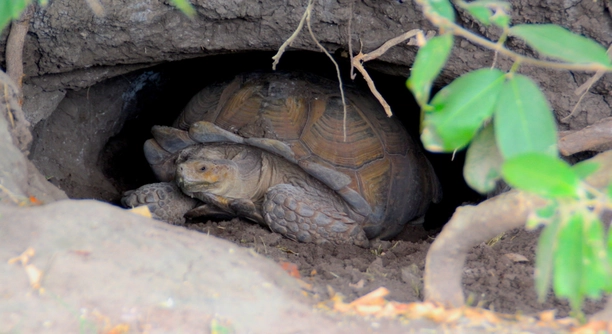
Keeping a sulcata tortoise in an apartment presents unique challenges, but with the right steps, you can create a comfortable home for your pet. These tortoises need space and warmth to thrive, but there are ways to adapt.
The most important aspects of keeping a sulcata tortoise in an apartment include providing ample space, maintaining proper temperature and humidity levels, and ensuring a suitable diet. It’s essential to create a safe and enriching environment for the tortoise’s long-term health.
By following these tips, you can ensure your sulcata tortoise lives a healthy, happy life despite the limited space.
Space is Key for Your Sulcata Tortoise
Sulcata tortoises are known for their large size, which means they need plenty of space to move around. In an apartment, you’ll need to create a designated area that allows them to roam freely. A small enclosure or tank won’t be sufficient, so consider using a large indoor pen with high sides. The area should be spacious enough for your tortoise to explore, stretch out, and enjoy its environment. The floor should also be soft, like a mixture of soil and hay, to mimic the natural desert habitat they thrive in.
Providing space is not just about area size; it’s also about giving your tortoise a safe and stimulating environment. A tortoise that feels cramped may become stressed, affecting its health. Consider adding rocks or logs for climbing and foraging.
When setting up the space, ensure the area is secure, as sulcata tortoises are excellent escape artists. It’s important that the walls are tall enough to prevent any attempts at climbing out.
Temperature Control is Essential
To maintain your sulcata tortoise’s health, proper temperature control is essential.
Tortoises need warmth to stay active and digest food effectively. In an apartment, it can be tricky to regulate the temperature, so investing in a good heating system is a must. A combination of basking lamps and heat mats can provide the necessary warmth during the day and cooler conditions at night. Ensure that the basking area is around 95°F, while the rest of the enclosure stays between 75°F and 85°F.
Keeping your tortoise comfortable during both day and night will help mimic its natural habitat. Without these temperature fluctuations, it may experience health problems. Ensure your home stays warm and consider adding thermostats or thermometers to keep track of the temperatures.
Proper Lighting is a Must
Sulcata tortoises require UVB lighting to help them process calcium and prevent metabolic bone disease. Natural sunlight is ideal, but it can be hard to provide in an apartment. UVB bulbs can mimic sunlight and should be placed in the tortoise’s enclosure.
Investing in a high-quality UVB bulb is important. Place the bulb about 12-18 inches above your tortoise’s basking area for optimal exposure. This light should be on for 10-12 hours each day to maintain a natural day-night cycle. Without proper lighting, your tortoise may suffer from poor shell growth and weak bones.
In addition to UVB lighting, ensure that there’s a consistent light-dark schedule. Avoid keeping the lights on for too long, as that can disturb the tortoise’s rest cycle. A timer can be a great tool for maintaining the right light exposure for your sulcata.
Humidity Control for Your Tortoise’s Health
Humidity plays a crucial role in your sulcata’s well-being. Although these tortoises come from dry, arid environments, they still need a certain level of moisture in their surroundings to stay healthy.
Maintaining a humidity level of around 30% to 50% is ideal. You can achieve this by placing a shallow water dish in the enclosure and using a spray bottle to lightly mist the habitat. It’s important not to overdo it, as excessive humidity can cause respiratory issues.
Monitor the humidity levels regularly with a hygrometer. If you find that the air is too dry, a humidifier can help maintain the ideal moisture level. Always keep an eye on the water dish and replace the water daily to prevent bacteria growth.
Diet and Nutrition for Your Sulcata
A balanced diet is key to keeping your sulcata tortoise healthy. They are herbivores, so their diet should consist of leafy greens, grasses, and weeds.
Offer a variety of greens like dandelion greens, kale, and collard greens. Avoid feeding them too many fruits as they can lead to digestive issues. Ensure the food is clean and free from pesticides.
In addition to greens, provide a calcium supplement to promote healthy shell growth. You can sprinkle the supplement on their food or use a cuttlebone in their enclosure for them to nibble on.
Regular Baths for Hydration
Sulcata tortoises tend to get dehydrated in dry environments. Regular baths are a simple way to ensure they stay hydrated.
Fill a shallow dish or tub with warm water and gently place your tortoise in it. The water should be just deep enough for them to soak comfortably, without submerging their head. Allow them to soak for 20-30 minutes a few times a week.
This bath helps hydrate them and also encourages regular bowel movements. After the bath, make sure to dry your tortoise gently with a towel and return them to their enclosure.
Shell Care and Maintenance
Your sulcata tortoise’s shell needs regular attention to ensure it stays healthy. Over time, the shell can develop issues such as shedding or injury.
You can help maintain their shell by providing a clean, dry environment. Inspect their shell regularly for any signs of infection, cracks, or unusual discoloration. If you notice anything abnormal, consult a vet.
Ensure your tortoise is getting the proper nutrition, as this helps with shell growth. A diet rich in calcium and vitamins will keep the shell strong and prevent issues like soft spots.
FAQ
How often should I feed my sulcata tortoise?
Sulcata tortoises should be fed daily, but the amount can vary depending on their age and size. Younger tortoises need more frequent feedings with smaller portions, while adults can be fed once a day with larger servings. It’s important to monitor their weight and adjust their feeding schedule as needed.
Can I keep my sulcata tortoise outside?
If you have a suitable outdoor space with enough room for your tortoise to roam, you can keep them outside. However, during colder months or extreme weather, they should be brought inside. Always provide a safe, secure enclosure to prevent escapes.
What is the best substrate for a sulcata tortoise in an apartment?
For an apartment setup, a combination of soil, hay, and sand works well as a substrate. It mimics their natural desert environment and helps with digging. Avoid using materials like cedar or pine, as they can be harmful to your tortoise.
How do I know if my sulcata tortoise is sick?
Signs of illness in sulcata tortoises include lethargy, loss of appetite, discharge from the eyes or nose, and abnormal shell appearance. If you notice any of these symptoms, it’s important to seek veterinary care as soon as possible to prevent further complications.
Can sulcata tortoises live with other pets?
Sulcata tortoises are generally solitary animals and can be territorial, so it’s best not to house them with other pets. If you have other animals, such as dogs or cats, it’s important to keep them separated to avoid stress or injury.
What temperature is best for a sulcata tortoise?
Sulcata tortoises require a basking area with temperatures around 95°F during the day. The rest of the enclosure should remain between 75°F and 85°F. At night, the temperature can drop slightly, but it should not fall below 70°F. A heat lamp or mat can help maintain the right temperature.
How can I tell if my sulcata tortoise is dehydrated?
Signs of dehydration in sulcata tortoises include dry or cracked skin, sunken eyes, and a lack of urination. Providing regular baths and offering fresh water daily will help prevent dehydration. If your tortoise shows signs of dehydration, it’s important to hydrate them immediately and consult a vet if necessary.
Should I trim my sulcata tortoise’s nails?
Typically, sulcata tortoises don’t need regular nail trimming, as their nails naturally wear down through movement. However, if their nails become too long or sharp, you may need to trim them carefully with a reptile nail clipper. Be cautious not to cut too close to the quick.
How do I create a proper UVB setup for my sulcata tortoise in an apartment?
UVB lighting is crucial for sulcata tortoises. Use a high-quality UVB bulb and place it 12-18 inches above the basking area. The light should be on for 10-12 hours per day. Regularly replace the bulb, as its effectiveness diminishes over time.
Can I feed my sulcata tortoise fruit?
While sulcata tortoises can eat fruit, it should only be offered as an occasional treat. Too much fruit can cause digestive issues and lead to obesity. Stick to leafy greens, grasses, and weeds as the main components of their diet.
Is it normal for my sulcata tortoise to dig?
Yes, digging is completely normal for sulcata tortoises. In their natural habitat, they dig to find food, create shelter, or regulate their body temperature. Provide enough space for your tortoise to dig, and ensure the enclosure has a secure bottom to prevent escapes.
How can I make sure my sulcata tortoise stays active?
Sulcata tortoises need space to roam and explore. Set up an enclosure that allows them to move around freely, providing areas to climb, hide, and forage. Regularly rotate their environment with new objects to keep them engaged and active.
Do sulcata tortoises need social interaction?
Sulcata tortoises are generally solitary animals and don’t require social interaction with humans or other pets. However, they do enjoy exploring their environment and may interact with you during feeding or when they feel safe. They thrive best in environments where they can roam freely.
Can I let my sulcata tortoise roam freely in my apartment?
While it’s possible to let your sulcata tortoise roam, you should always supervise them. Tortoises can get into small spaces or cause damage to your furniture. Ensure there are no hazards in their path, like electrical cords, sharp objects, or plants that are toxic to them.
What should I do if my sulcata tortoise is not eating?
If your sulcata tortoise isn’t eating, first check the temperature and humidity levels in their enclosure. Ensure they’re comfortable. If they still refuse food, consider consulting a vet, as lack of appetite could signal an underlying health issue.
Can I keep a sulcata tortoise in a small enclosure?
A small enclosure is not recommended for sulcata tortoises due to their large size. They need plenty of space to roam and explore. It’s important to provide an appropriately sized pen or enclosure to ensure their health and well-being. A cramped environment can cause stress.
How do I clean my sulcata tortoise’s enclosure?
Cleaning the enclosure regularly is essential to keep your tortoise healthy. Remove uneaten food and waste daily, and wash any food dishes or water bowls. Once a week, thoroughly clean the entire enclosure with a reptile-safe disinfectant and replace the substrate as needed.
Do sulcata tortoises need a companion?
Sulcata tortoises do not need a companion, as they are solitary animals. In fact, they can become territorial and may not tolerate another tortoise or pet in their space. It’s best to keep them alone to avoid stress and potential conflict.
Final Thoughts
Caring for a sulcata tortoise in an apartment setting can be a rewarding experience, but it requires commitment and attention to detail. These tortoises are large, active creatures that need plenty of space to thrive. While your apartment may not have the vast desert landscape they would prefer, you can still create an environment that meets their needs. Providing the right habitat, temperature, humidity, and diet are essential for their well-being. If you’re prepared to give your tortoise the space, care, and attention it deserves, you can enjoy watching them grow and live a long, healthy life.
It’s important to remember that while sulcata tortoises are relatively low-maintenance in terms of emotional care, they do have specific environmental and dietary needs. These include UVB lighting for proper shell and bone development, an appropriate temperature range for basking, and a diet rich in fiber and low in protein. Their large size means that they will require more space as they mature, so planning for future growth is key. Apartment living can be challenging for this species, but with the right setup, it is possible to keep them healthy and happy.
Ultimately, the key to successfully keeping a sulcata tortoise in an apartment is to ensure they have enough room to move, proper lighting, and a suitable diet. If you are considering adopting one of these remarkable creatures, make sure you have the time and resources to provide for them. Regular vet checkups and observing signs of stress or illness are also important aspects of care. With the right commitment, your sulcata tortoise can live comfortably in your apartment for many years, bringing joy and companionship into your home.

Hello,
If you enjoy the content that we create, please consider saying a "Thank You!" by leaving a tip.
Every little bit helps us continue crafting quality advice that supports the health, happiness, and well-being of pets around the world, for pets of all shapes, sizes, and species.
We really appreciate the kindness and support that you show us!