
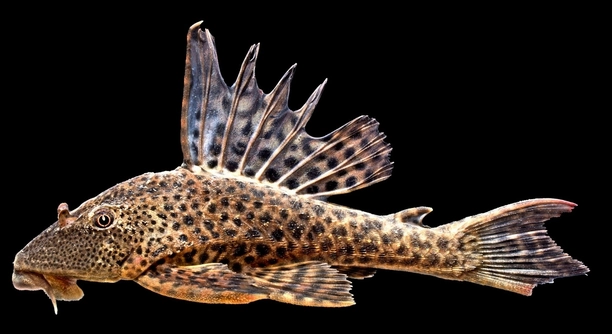
Keeping a pleco tank clean can be a bit challenging, but it’s essential for their health and the overall quality of the water. Plecos, while great at cleaning algae, still require regular maintenance to thrive.
To maintain a clean pleco tank, regular water changes, efficient filtration, and proper feeding habits are key. Keeping the substrate clean, monitoring water parameters, and removing debris helps prevent harmful buildup and ensures a healthy environment for your plecos.
In the following sections, we’ll cover practical tips to make tank maintenance easier while keeping your plecos happy and healthy. These tips will help you manage the cleanliness of your aquarium with minimal stress.
Regular Water Changes Are Crucial
One of the simplest ways to keep your pleco tank clean is by changing the water regularly. Plecos can produce a lot of waste, which, if left unchecked, leads to harmful toxins building up. Regular water changes help reduce these toxins and maintain good water quality. Aim to change 25-30% of the water every two weeks to keep things fresh.
Make sure the new water you add is treated with a dechlorinator and is the same temperature as the tank water. This will avoid shocking your plecos and ensure they stay comfortable. Keep an eye on water parameters like pH, ammonia, and nitrate levels as part of your routine.
In addition to regular water changes, cleaning the filter media during these changes can help prevent clogs. A clean filter will ensure the water stays clear, preventing algae overgrowth and giving your plecos a healthy place to live.
Use a High-Quality Filter
The filtration system in your tank plays a significant role in keeping the water clean. Plecos need a strong filtration system due to the high amount of waste they generate. A good filter will remove debris, waste, and excess food, helping to keep the water clear.
For tanks with plecos, consider a filter that can handle at least 2-3 times the size of your tank. Canister filters or sump filters are often the best options, as they provide powerful filtration and can handle the demands of a larger aquarium.
Besides removing waste, filters also help maintain proper water circulation. Plecos enjoy swimming in areas with good water flow, and a good filter ensures that the water moves around the tank evenly, reducing dead spots where debris can accumulate.
Remove Excess Food
Feeding your plecos properly is essential, but so is removing any leftover food. Leftover food decays quickly, leading to poor water quality and an increased risk of algae blooms. Make sure to feed in moderation, so there’s little to no waste.
After feeding, use a small net or siphon to remove uneaten food. This will prevent it from breaking down in the water, releasing ammonia and other harmful substances. Plecos are not big eaters, so they don’t need large portions. Overfeeding can result in unnecessary waste.
It’s also important to remember that plecos can be picky about their food. If they don’t eat everything within a few hours, remove any leftovers. This habit will help maintain water quality and make tank cleaning easier.
Keep the Substrate Clean
Regular cleaning of the substrate is a must for keeping a clean pleco tank. Plecos spend a lot of time at the bottom of the tank, sifting through the substrate, looking for food. This can cause uneaten food and waste to settle.
To keep the bottom clean, use a gravel vacuum during water changes. Siphon out the waste and debris trapped in the gravel. This is especially important in tanks with sand or gravel substrates, where waste can accumulate quickly. It’s a simple but effective way to reduce pollutants.
If the substrate is left uncleaned, it can affect water quality and lead to a buildup of harmful bacteria. Keeping it clean will help prevent unwanted odors and algae growth, ensuring your plecos stay healthy. A clean substrate also improves the overall aesthetic of your tank.
Monitor Water Parameters
Consistently monitoring your tank’s water parameters is essential for keeping things clean. Test for ammonia, nitrate, and nitrite levels regularly to ensure they stay within safe ranges. High levels of these toxins can lead to poor water quality and stress for your plecos.
Invest in a reliable water testing kit and check at least once a week. If the levels are off, address the issue right away by performing a water change or adjusting your filtration system. Regular testing keeps problems at bay and ensures a healthy environment for your plecos.
Clean Decorations and Surfaces
Tank decorations and surfaces can harbor algae and waste, affecting water quality. Clean them every few weeks by gently scrubbing with a soft brush. Remove any algae buildup that may form on decorations or the glass.
It’s important not to over-scrub, as this can stress the tank’s ecosystem. Instead, focus on removing visible debris and algae gently to maintain a clean and balanced tank. Regular cleaning of decorations improves the overall aesthetic while keeping your plecos’ habitat healthy.
Avoid Overstocking
Overstocking a pleco tank can lead to a rapid increase in waste production. Keeping fewer fish reduces the load on the filtration system and makes it easier to maintain water quality. Plecos are large fish, so consider their full-grown size when planning tank population.
Too many fish can also cause overcrowding, which leads to more waste and stress on all inhabitants. By avoiding overstocking, you can keep the water cleaner and reduce the chances of disease or poor water conditions. Focus on a balanced fish-to-tank ratio for a more manageable environment.
FAQ
How often should I clean my pleco tank?
Cleaning your pleco tank should be done on a regular basis, but the frequency can vary. A good rule of thumb is to change 25-30% of the water every two weeks. During each water change, you should also vacuum the substrate to remove waste and debris. Clean the filter at least once a month to ensure it’s working efficiently. Decorations and tank surfaces should be cleaned every few weeks to avoid algae buildup. The more you stay on top of the cleaning, the less work it will be in the long run.
Can plecos live with other fish?
Yes, plecos can live with many other types of fish, but they should not be kept with overly aggressive or small fish that might become prey. Plecos are peaceful and tend to mind their own business, usually staying at the bottom of the tank. However, keep an eye on the size of your pleco—larger species can be territorial. Choose tankmates that have similar water parameter needs and are not too aggressive. Avoid overstocking, as that can cause stress and lead to a dirty tank.
What type of filter is best for a pleco tank?
For a pleco tank, a strong filtration system is essential. Plecos can produce a significant amount of waste, so a filter that can handle a larger tank size is necessary. Canister filters and sump filters are the most effective, as they provide powerful filtration and help maintain water flow. Look for filters with high flow rates and mechanical, biological, and chemical filtration to ensure the water stays clear and free of toxins. Make sure the filter is properly sized for your tank to ensure efficiency.
How do I prevent algae from growing in my pleco tank?
Plecos are great at helping control algae, but they may not be enough to stop all algae growth. To prevent excessive algae buildup, limit the amount of light your tank receives. Aim for 6-8 hours of light per day and avoid placing your tank in direct sunlight. Reduce overfeeding, as excess food can contribute to algae growth. Regularly clean the tank surfaces and substrate to remove any algae. Adding live plants can also help balance the tank’s ecosystem, as plants compete with algae for nutrients.
Why is my pleco spending so much time hiding?
It’s normal for plecos to hide during the day, especially if they feel threatened or stressed. They are nocturnal creatures and prefer to be more active at night. However, if your pleco is hiding excessively, it could be a sign of poor water conditions or stress. Check your tank’s water parameters and make sure they are within the safe range. If the tank is overcrowded or the fish are fighting, this can cause stress as well. Make sure your pleco has plenty of hiding spots, but also ensure it feels secure in its environment.
How can I tell if my pleco is healthy?
A healthy pleco will have clear eyes, a clean and intact body, and will be active, especially during the night. Check for any visible signs of disease, such as white spots, swelling, or abnormal behavior. Make sure the pleco is feeding properly and not losing weight. It’s important to regularly monitor your pleco’s behavior and appearance. If you notice any changes, such as a lack of appetite or unusual swimming patterns, it could indicate health problems that need to be addressed.
What should I feed my pleco?
Plecos are primarily herbivores, so they need a diet rich in plant matter. Offer algae wafers, blanched vegetables like zucchini, spinach, or cucumber, and sometimes high-quality pellet food designed for plecos. You can also feed them sinking food to ensure they get enough nutrition. Occasionally, you can give them live or frozen food like bloodworms, but this should not be a regular part of their diet. Make sure to remove any uneaten food after a few hours to prevent it from decomposing and affecting water quality.
How can I help my pleco grow to a healthy size?
To ensure your pleco grows to a healthy size, provide them with a proper diet and adequate space. Make sure the tank is large enough, as plecos can grow quite large, especially certain species. A tank that’s too small can stunt their growth and lead to health issues. Provide a variety of foods to give them balanced nutrition. Regular water changes and a clean tank are essential to avoid water quality issues that could affect growth. A well-maintained environment will support their healthy development.
Is it necessary to have a heater in a pleco tank?
Plecos are tropical fish, so they do best in a tank with a stable temperature between 72°F and 80°F (22°C to 27°C). If your home temperature fluctuates outside this range, you will need a heater to maintain a constant temperature. Even in areas with consistent room temperature, having a heater ensures your pleco’s environment remains stable, reducing stress and promoting health. Be sure to choose a heater that is properly sized for your tank.
How can I prevent my pleco from getting too much waste in the tank?
To prevent too much waste in the tank, avoid overfeeding your pleco. Feed them small amounts that they can consume within a few hours. Any leftover food should be removed immediately to avoid it breaking down and polluting the water. Additionally, make sure your filtration system is efficient and suitable for the size of your tank. Perform regular water changes to remove excess waste and ensure proper water circulation. Monitoring your pleco’s food intake and maintaining a clean tank environment will help reduce the amount of waste in the water.
Final Thoughts
Keeping a pleco tank clean doesn’t have to be complicated. With regular water changes, proper filtration, and attention to your pleco’s diet, you can maintain a healthy environment for both your plecos and other tank inhabitants. The key is consistency. The more you stay on top of the cleaning and water checks, the easier it becomes to keep the tank in good condition. Plecos are hardy creatures, but they rely on you to provide them with a clean and stable habitat to thrive.
It’s also important to remember that a clean tank isn’t just about appearance. The overall health of your plecos is tied directly to the water quality and the conditions in their environment. By removing excess food, cleaning the substrate, and keeping the water free of toxins, you are preventing potential health problems and helping your plecos live longer, healthier lives. Regular monitoring of water parameters and using the right filtration system will help you avoid issues like algae overgrowth or poor water circulation.
In the end, keeping a clean pleco tank is a routine that will pay off in the form of happy, healthy fish. By maintaining good tank hygiene and understanding the needs of your plecos, you can create an environment that allows them to thrive. Whether you’re a beginner or an experienced fish keeper, taking the time to follow these simple steps will help ensure your plecos stay in great shape, making tank maintenance a manageable and rewarding task.

Hello,
If you enjoy the content that we create, please consider saying a "Thank You!" by leaving a tip.
Every little bit helps us continue crafting quality advice that supports the health, happiness, and well-being of pets around the world, for pets of all shapes, sizes, and species.
We really appreciate the kindness and support that you show us!