
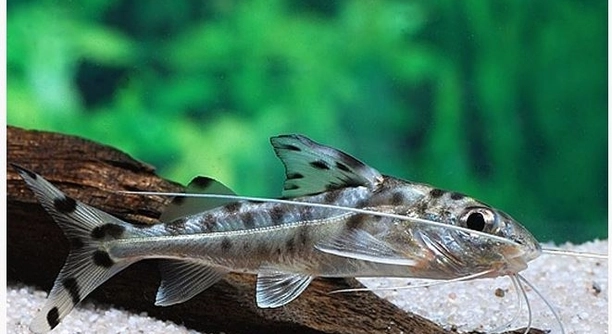
Introducing Pictus catfish to a new aquarium requires careful attention to ensure their health and comfort. These fish have specific needs that help them adjust smoothly to unfamiliar surroundings. Proper preparation can make the transition easier for both the fish and their owner.
The best approach to introducing Pictus catfish involves gradually acclimating them to water conditions, maintaining stable temperatures, and minimizing stress by handling them gently and providing hiding spots. Monitoring water quality and avoiding sudden changes are crucial steps in this process.
Following these guidelines will support your catfish’s well-being and help them thrive in their new home environment.
Preparing the Aquarium Before Arrival
Getting the tank ready before bringing home your Pictus catfish is very important. The water should be clean and properly filtered to keep the environment healthy. Testing water parameters like pH, temperature, and ammonia levels helps avoid shocks to the fish. The ideal temperature for Pictus catfish is between 75 and 80 degrees Fahrenheit, and the pH should be slightly acidic to neutral, around 6.5 to 7.5. Adding hiding spots such as caves or plants will give the catfish places to feel safe as they adjust. Before introducing the fish, running the tank for at least a week helps establish a stable environment. Avoid adding chemicals or cleaning agents right before the fish arrive, as these can harm them. Preparing the tank with these steps creates a calm and safe space for your new catfish from the start.
A well-prepared aquarium reduces stress and supports the catfish’s health during introduction. It is a key step in successful acclimation.
Setting up the tank early also allows beneficial bacteria to grow, which helps break down waste and keep the water safe. Stable water conditions mean fewer health issues. When the fish arrive, they will already have a good environment waiting for them, which helps them settle quickly. The hiding places you provide are important because Pictus catfish are nocturnal and like to rest in shaded areas during the day. They feel less exposed and vulnerable when they have places to hide. This reduces stress and encourages natural behavior. Preparing the aquarium carefully helps make the fish feel at home and can prevent common problems like illness or aggression. Keeping the tank conditions steady from the beginning is one of the best ways to care for your Pictus catfish.
Acclimating Your Pictus Catfish Slowly
Introducing the fish to the tank water gradually is essential to avoid shock. Dripping water from the tank into the bag over an hour helps the fish adjust slowly.
The acclimation process reduces stress by letting the catfish get used to new temperature and water chemistry. It should not be rushed.
Using a drip acclimation method prevents sudden changes in water quality, which can harm sensitive fish like Pictus catfish. This method is better than just dumping the fish straight into the tank. After an hour or so of gradual mixing, the catfish can be gently released into their new environment. Avoid pouring the water from the transport bag directly into the aquarium because it may carry contaminants. Watching the fish during this time lets you spot any signs of distress early. Taking time with acclimation improves the chances your catfish will stay healthy and active in their new home. It is a simple step that makes a big difference.
Providing Proper Nutrition
Pictus catfish need a varied diet to stay healthy. Feeding them sinking pellets or wafers designed for bottom feeders works well. They also enjoy live or frozen foods like bloodworms and brine shrimp.
Offering a balanced diet ensures your catfish receive all the necessary nutrients. It’s important to feed them small amounts twice a day to prevent overfeeding. Uneaten food can pollute the tank, so remove leftovers promptly. Including occasional treats like live or frozen foods encourages natural hunting behavior and adds variety. Fresh vegetables such as blanched zucchini or cucumber can also be given sometimes. Variety keeps your catfish interested in their food and helps avoid nutritional deficiencies. Maintaining a consistent feeding routine supports their overall health and energy levels. Paying attention to their eating habits also helps you notice if something might be wrong early on.
Proper feeding supports growth and vitality, making your Pictus catfish more active and vibrant. Consistency and variety go hand in hand for best results.
Maintaining Water Quality
Keeping the water clean is crucial for your Pictus catfish’s well-being. Regular water changes help remove waste and keep toxins low. Testing water parameters weekly prevents issues before they become serious.
Performing partial water changes of about 20-30% weekly helps maintain stable water conditions. This practice reduces harmful substances like ammonia and nitrites. Avoid changing too much water at once because it can stress the fish by altering their environment too quickly. Using a good filter that provides mechanical and biological filtration supports water clarity and quality. Cleaning the filter regularly ensures it continues to work well but avoid washing it with tap water to preserve beneficial bacteria. Monitoring temperature and pH alongside other parameters ensures conditions remain within the safe range. Consistent care keeps your aquarium healthy and your catfish comfortable. Good water quality directly influences fish health, behavior, and lifespan.
Avoiding Overcrowding
Pictus catfish need enough space to swim and hide comfortably. Overcrowding increases stress and competition for resources.
A crowded tank can lead to poor water quality and more health problems. Keep the number of fish appropriate for your tank size to maintain a peaceful environment.
Monitoring Behavior
Watch your catfish closely after introducing them to their new home. Healthy Pictus catfish are active at night and may rest during the day.
Changes in behavior, like hiding constantly or loss of appetite, can indicate stress or illness. Early detection helps prevent bigger problems and supports faster recovery.
Providing Hiding Spots
Hiding spots reduce stress for Pictus catfish. Use plants, caves, or decorations that offer shelter and security.
These places allow them to feel safe and encourage natural behavior, improving their overall well-being.
FAQ
How often should I feed my Pictus catfish?
Feeding your Pictus catfish twice a day with small portions is ideal. Overfeeding can lead to water quality issues and health problems. Remove any uneaten food after about 10 minutes to prevent it from decaying and polluting the tank.
Can Pictus catfish live with other fish?
Yes, Pictus catfish are generally peaceful and can live with other community fish. However, avoid housing them with very small fish that might be mistaken for food or overly aggressive species that could stress them. Providing hiding spots helps reduce any potential conflicts.
What water temperature is best for Pictus catfish?
The best water temperature for Pictus catfish is between 75 and 80 degrees Fahrenheit (24–27°C). Keeping the temperature stable within this range supports their metabolism and overall health.
How do I know if my Pictus catfish is stressed?
Signs of stress include hiding excessively, reduced appetite, rapid breathing, or unusual swimming patterns. Stress often results from poor water conditions, overcrowding, or sudden changes in the environment. Addressing these issues quickly can help your catfish recover.
Is it necessary to use a water conditioner?
Yes, using a water conditioner when adding new water to the tank is important. It removes harmful chlorine and chloramines, making the water safe for your fish. Always treat tap water before use.
How large should my tank be for Pictus catfish?
A minimum tank size of 30 gallons is recommended for Pictus catfish because they grow fairly large and are active swimmers. More space allows for better water quality and room to explore.
Do Pictus catfish need special lighting?
Pictus catfish prefer dim lighting because they are nocturnal. Bright lights can cause stress, so using subdued or adjustable lighting helps them feel secure and encourages natural behavior.
Can I breed Pictus catfish at home?
Breeding Pictus catfish in home aquariums is difficult and uncommon. They need specific water conditions and plenty of space. Most hobbyists focus on keeping them healthy as pets rather than breeding.
How often should I clean the tank?
Regular partial water changes of about 20-30% weekly are enough to keep the tank clean. Avoid full cleanings or washing the substrate completely, as this can remove beneficial bacteria needed for a balanced aquarium.
What should I do if my Pictus catfish gets sick?
If you notice signs of illness such as spots, swelling, or lethargy, test water quality first. Poor conditions often cause sickness. Treat the tank or isolate the fish if necessary and consult a vet or aquarium specialist for appropriate medication.
Do Pictus catfish need aeration?
Good water circulation and oxygen levels are important. While not strictly necessary, using an air pump or well-functioning filter helps maintain oxygen-rich water, which benefits the health of your catfish.
Can Pictus catfish live in a planted tank?
Yes, they do well in planted tanks. Plants provide hiding spots and help improve water quality. Just make sure the plants are sturdy enough to handle occasional digging or movement.
What is the average lifespan of a Pictus catfish?
With proper care, Pictus catfish can live around 8 to 10 years in a home aquarium. Good water quality, proper diet, and a stress-free environment contribute to a long, healthy life.
Are Pictus catfish nocturnal?
Yes, they are mostly active at night. During the day, they tend to hide or rest in shaded areas. Understanding their natural behavior helps in creating a suitable tank environment.
How do I introduce Pictus catfish to a new tank?
Acclimate them slowly using a drip method or gradual water mixing over an hour. This helps them adjust to new water conditions without stress. Avoid sudden changes in temperature or chemistry.
What tank mates should I avoid?
Avoid keeping Pictus catfish with very aggressive or much larger fish. Also, very small fish that could be seen as food are not suitable. Stick to peaceful, medium-sized community fish for best results.
Taking care of Pictus catfish when moving them to a new home requires patience and attention. These fish need stable water conditions, proper feeding, and a peaceful environment to feel comfortable. Preparing the tank ahead of time by testing water and setting the right temperature makes a big difference. It helps the fish settle faster and stay healthy. Making sure the tank has hiding places gives them a safe spot to rest, which lowers stress. Stress can lead to illness, so providing a calm environment is important.
Slowly introducing Pictus catfish to the aquarium is one of the best ways to avoid shock. Using a drip acclimation or gradual water mixing method allows the fish to adjust to new water conditions over time. This prevents sudden changes in temperature or chemistry that can harm them. Watching the fish carefully after introduction helps catch any signs of trouble early. Keeping the tank clean by doing regular water changes and monitoring water quality is also key to their well-being. Good filtration and stable water parameters keep your fish active and healthy.
Feeding your Pictus catfish the right foods in the right amounts supports their growth and energy. They enjoy a mix of sinking pellets and occasional live or frozen treats. Avoid overfeeding to prevent water problems and obesity. Choosing peaceful tank mates and avoiding overcrowding help reduce stress and keep a balanced community tank. With steady care, patience, and attention to their needs, your Pictus catfish can thrive for many years, bringing life and movement to your aquarium.

Hello,
If you enjoy the content that we create, please consider saying a "Thank You!" by leaving a tip.
Every little bit helps us continue crafting quality advice that supports the health, happiness, and well-being of pets around the world, for pets of all shapes, sizes, and species.
We really appreciate the kindness and support that you show us!