
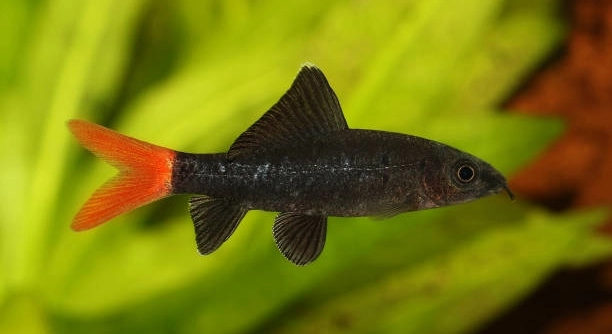
Introducing new fish to a tank housing a Rainbow Shark requires careful planning and attention. Adding unfamiliar tank mates can cause stress or aggression if done incorrectly. Ensuring harmony in the aquarium is important for the well-being of all fish involved.
Successfully introducing new fish to a Rainbow Shark’s tank involves gradual acclimation, proper quarantine, and monitoring for territorial behavior. Maintaining water quality and providing adequate hiding spaces reduces stress and aggression during the integration process.
This guide offers clear, practical tips to help create a balanced, peaceful environment for your Rainbow Shark and its new companions.
Preparing the Tank Before Adding New Fish
Before introducing new fish to your Rainbow Shark’s tank, it’s essential to prepare the environment properly. Start by cleaning the tank and performing a partial water change to ensure optimal water quality. Check all equipment such as filters, heaters, and aerators to confirm they are working efficiently. Removing any leftover food or waste helps reduce stress on the existing fish and prevents harmful bacteria from spreading. Adding plenty of plants and decorations provides hiding places that help new fish feel safe when they first arrive. These shelters are especially important for shy or timid species that may struggle with the more territorial Rainbow Shark. Lastly, test the water parameters to ensure the temperature, pH, ammonia, nitrite, and nitrate levels are within safe limits. Proper tank preparation creates a stable and comfortable space, reducing conflicts and helping all fish adjust more easily.
Taking these steps gives your new fish a better chance to settle in without unnecessary stress or health risks.
Providing hiding spots is critical, as it helps manage the Rainbow Shark’s territorial nature and supports peaceful coexistence among tank mates.
Quarantine and Gradual Introduction
Quarantining new fish before adding them to your main tank protects both your existing fish and newcomers from disease. Keep new arrivals in a separate tank for at least two weeks and observe for any signs of illness. This step helps prevent infections from spreading, which can be fatal in a community tank. During quarantine, feed the new fish a nutritious diet to build their strength. Once cleared, start acclimating them to the main tank’s water by slowly mixing tank water into their quarantine tank over several hours or days. When ready, introduce the new fish gently, ideally during low activity periods. Monitor closely during the first few days for any aggressive behavior, and be prepared to separate fish if necessary. Taking time with quarantine and gradual introduction minimizes risks and promotes a peaceful tank environment.
Monitoring Behavior After Introduction
Watch your fish closely after adding new tank mates. Early signs of aggression or stress should be addressed immediately to prevent injury or long-term problems. Keep an eye on swimming patterns, eating habits, and interactions between fish. If the Rainbow Shark becomes overly territorial, intervene quickly.
If you notice chasing or fin nipping, consider rearranging decorations to break up territories. Sometimes adding more hiding spots reduces conflict. Make sure all fish have access to food during feeding time, as competition can increase tension. Keeping a calm environment helps fish adjust more smoothly and reduces stress-related illness.
Regular observation during the first two weeks after introduction is crucial. If aggressive behavior continues, it might be necessary to separate the fish temporarily or permanently. Remember, maintaining peace is essential for the tank’s health.
Maintaining Water Quality Consistently
Stable water conditions are vital for the health of both your Rainbow Shark and new fish. Test water parameters regularly and perform partial water changes to keep levels balanced. Clean filters as needed but avoid removing too much beneficial bacteria. Keeping ammonia and nitrite near zero prevents toxic buildup.
Proper water maintenance reduces stress, which can otherwise lead to illness or aggressive behavior. Use a reliable test kit to monitor pH, hardness, and temperature, adjusting as necessary to suit all species in the tank. Consistent water quality supports stronger immune systems and a more peaceful community.
If any fish show signs of distress, checking water quality is a good first step. Poor water conditions often cause changes in behavior and health problems. Keeping your tank clean and stable creates a healthier, happier environment for all its inhabitants.
Feeding Practices During Introduction
Feed your fish small amounts more frequently during the introduction period. This helps reduce competition and stress among tank mates. Avoid overfeeding, as excess food can pollute the water and cause health issues.
Offer a balanced diet that meets the nutritional needs of both the Rainbow Shark and the new fish. Proper feeding supports their immune systems and encourages peaceful interactions.
Choosing Compatible Tank Mates
Select fish that can tolerate the Rainbow Shark’s territorial behavior and share similar water requirements. Avoid aggressive or very passive species to maintain balance. Research species carefully before adding them to the tank to prevent conflicts and stress.
Adjusting Tank Decorations
Rearranging plants and hiding spots can help manage aggression. Changing the layout breaks established territories and gives all fish places to retreat. This reduces stress and encourages peaceful coexistence.
Patience Is Key
Introducing new fish takes time and care. Rushing the process often leads to problems, so allow your fish to adjust at their own pace.
FAQ
How long should I quarantine new fish before adding them to the Rainbow Shark’s tank?
Quarantining new fish for at least two weeks is recommended. This period allows you to observe any signs of illness or parasites without risking the health of your main tank. It also gives new fish time to adjust to captivity and recover from transport stress.
Can Rainbow Sharks live peacefully with other fish?
Rainbow Sharks are territorial and may show aggression, especially in smaller tanks. However, with proper tank size, plenty of hiding spaces, and compatible tank mates, they can coexist peacefully. Avoid overly passive or aggressive species to reduce conflicts.
What are the best tank mates for a Rainbow Shark?
Good tank mates include fast-swimming, robust fish that occupy different tank levels, such as danios, barbs, or larger tetras. Avoid small, slow-moving, or long-finned fish that might become targets of aggression.
How do I know if my Rainbow Shark is being too aggressive?
Signs of aggression include chasing, fin nipping, and constant territorial displays like flaring fins or lunging. If you see other fish hiding excessively, injured, or stressed, aggression might be an issue.
What should I do if the new fish and Rainbow Shark don’t get along?
If conflicts continue despite rearranging decorations and adding hiding places, consider separating the fish temporarily. You may need to move either the Rainbow Shark or the new fish to a different tank to prevent injury and stress.
How important is tank size when adding new fish?
Tank size plays a big role in reducing aggression. Larger tanks provide more space and territories, lowering the chances of fights. A minimum of 30 gallons is often recommended for a Rainbow Shark with other fish.
How often should I perform water changes during fish introduction?
Frequent partial water changes, about 20-25% weekly, help maintain water quality. Good water conditions reduce stress and disease risk, making the introduction smoother for all fish.
Can I add multiple new fish at once?
Adding multiple new fish at the same time can work if your tank is large and well-prepared. It may reduce aggression by preventing one fish from being singled out. Still, quarantine all new fish first and monitor closely after introduction.
What types of hiding spots work best?
Dense plants, caves, driftwood, and decorations create effective hiding places. These allow shy or stressed fish to retreat and avoid aggressive encounters. Make sure hiding spots are accessible for all fish in the tank.
How long does it take for new fish to settle in?
It generally takes one to two weeks for new fish to adjust to their environment and tank mates. During this time, keep monitoring behavior and water quality to ensure a smooth transition.
Introducing new fish to a Rainbow Shark’s tank requires patience, care, and attention to detail. It is important to prepare the tank well before adding any newcomers, making sure water quality is good and there are plenty of hiding places. Quarantining new fish helps prevent disease and gives you time to monitor their health before mixing them with the Rainbow Shark. Taking these steps reduces stress and helps create a safer environment for all fish involved.
Once new fish are introduced, close observation is key. Watching their behavior during the first few weeks helps catch any signs of aggression or illness early. It is common for Rainbow Sharks to be territorial, so providing enough space and rearranging decorations can help manage conflicts. Feeding practices should also be adjusted to reduce competition, and water quality must be maintained consistently. These small but important actions support the well-being of both the Rainbow Shark and its new tank mates.
Patience plays a big role in success. Fish need time to get used to each other and their environment. Rushing the process can lead to unnecessary stress and injuries. Sometimes it may be necessary to separate fish if aggression does not improve. By following proper introduction steps and maintaining a stable tank environment, you can help ensure a balanced, peaceful community where your Rainbow Shark and new fish thrive together.

Hello,
If you enjoy the content that we create, please consider saying a "Thank You!" by leaving a tip.
Every little bit helps us continue crafting quality advice that supports the health, happiness, and well-being of pets around the world, for pets of all shapes, sizes, and species.
We really appreciate the kindness and support that you show us!