
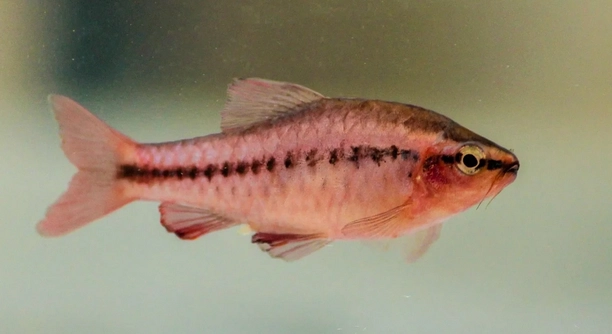
Introducing Cherry Barbs to your tank can be an exciting yet challenging experience for any aquarium owner. These colorful and active fish can add vibrancy to your underwater world, but careful planning is key to a smooth transition.
The best approach to adding Cherry Barbs to an existing tank is to ensure the environment is stable and the fish are introduced slowly. Carefully monitor water parameters, maintain proper tank conditions, and add the barbs in small groups to minimize stress.
By following these tips, you can create a welcoming space for your new Cherry Barbs while keeping your existing tank inhabitants happy and healthy. Understanding the steps involved ensures a successful integration and a peaceful aquarium atmosphere.
Understanding Tank Compatibility
When introducing Cherry Barbs, it’s important to check if they are compatible with the other fish in your tank. These small, peaceful fish tend to thrive in a community setting with calm, non-aggressive species. Avoid adding them to tanks with overly territorial or aggressive fish, as this could cause stress or even harm to your Cherry Barbs.
Start by researching the behavior and temperament of your existing fish. This will help you determine if the tank’s environment is suitable for adding Cherry Barbs. For example, fast-moving species or overly territorial fish like cichlids may not be ideal tankmates.
Cherry Barbs are typically compatible with many other species, such as tetras, danios, and peaceful livebearers. They are social fish that enjoy being in groups, so make sure your tank has enough space for them to feel comfortable. Introducing them to a tank with similar species will help them adjust better and encourage natural behaviors. This will ensure that all the fish in your aquarium are at ease and can coexist peacefully.
Tank Size and Space
The size of your tank will also play a major role in how successfully Cherry Barbs adjust.
Cherry Barbs are small fish that require adequate space to swim freely. A minimum of 20 gallons is recommended for a small group, but a larger tank will provide a better environment for them to flourish.
A spacious tank not only reduces territorial issues but also improves the overall water quality. With more space, your Cherry Barbs can find their own spots for hiding, feeding, and swimming, which will reduce stress. Make sure to keep the tank well-filtered and avoid overcrowding, as both can negatively impact the water quality and the health of your fish.
Water Conditions
Cherry Barbs are sensitive to water conditions and need stable, clean water to thrive. Keep the water temperature between 72°F and 79°F (22°C to 26°C). The pH should be slightly acidic to neutral, ranging from 6.0 to 7.5.
Maintaining consistent water parameters is crucial for their health. Sudden changes in temperature, pH, or hardness can stress the fish, making it harder for them to adjust to their new environment. Use a reliable water testing kit to regularly check for any imbalances.
Proper filtration is also essential for keeping the water clean. A good filter will help maintain a healthy environment for your Cherry Barbs and prevent toxins from building up. Perform partial water changes at least once a week to keep the tank’s water fresh and stable.
Acclimating Cherry Barbs
Acclimating Cherry Barbs to their new tank is a key step in ensuring a smooth transition.
When you first bring your Cherry Barbs home, avoid just dropping them into the tank. Use the drip acclimation method to slowly adjust their water temperature and parameters to match the tank. This reduces the risk of shock, helping them feel more comfortable in their new surroundings.
If you’re adding them to a tank with other fish, wait for the water to stabilize for a few days before introducing the new fish. Monitor their behavior closely for the first few hours after adding them to ensure they are adjusting well and not showing signs of stress or aggression.
Feeding Cherry Barbs
Cherry Barbs are omnivores and will eat a variety of foods. A balanced diet of high-quality flakes, pellets, and live or frozen foods will keep them healthy.
Feed them small portions two to three times a day. Avoid overfeeding, as this can pollute the water and cause health issues. Always remove any uneaten food after a few minutes.
Tank Decoration
Cherry Barbs enjoy a tank with plenty of hiding spots. Use plants, rocks, and driftwood to create a natural, peaceful environment.
Adding dense plants like Java fern or moss provides hiding places and encourages them to exhibit natural behaviors. A well-decorated tank not only helps reduce stress but also makes the fish feel secure.
FAQ
What is the best way to introduce Cherry Barbs to an established tank?
To introduce Cherry Barbs to an existing tank, ensure your water parameters are stable. Acclimate them slowly using the drip method to avoid shock. Start by adding them in small groups, as they are social fish and thrive in numbers. Make sure there is enough space and hiding spots in the tank to help them settle in. Monitor their behavior for any signs of aggression or stress from other fish. Keep the water clean and perform regular water changes to maintain a healthy environment.
Can Cherry Barbs live with other fish?
Yes, Cherry Barbs are peaceful and can live with many other non-aggressive species. They do well with other community fish such as tetras, rasboras, and peaceful livebearers. Avoid aggressive or territorial fish like cichlids or larger species that might harm them. Always check the temperament of potential tankmates to ensure compatibility.
How many Cherry Barbs should I have in my tank?
Cherry Barbs are social fish, so it’s best to keep them in groups of at least 6 or more. A small group will help them feel secure and reduce stress. In smaller tanks, try to keep the number of Cherry Barbs manageable to avoid overcrowding. In larger tanks, a larger group will allow them to interact naturally.
What do Cherry Barbs eat?
Cherry Barbs are omnivores and will accept a variety of foods. A well-balanced diet includes high-quality flakes or pellets, supplemented with live or frozen food like brine shrimp or daphnia. They will also enjoy vegetables like blanched spinach or zucchini. Feed them small portions two to three times a day to avoid overfeeding.
How long do Cherry Barbs live?
With proper care, Cherry Barbs can live up to 3 to 5 years. Their lifespan can be affected by factors such as water quality, tank mates, and diet. Regular water changes, proper filtration, and monitoring of water parameters will help keep them healthy and ensure they live a long life.
Are Cherry Barbs hardy fish?
Yes, Cherry Barbs are relatively hardy, but they still require stable water conditions. They are not as sensitive as some other species, but fluctuations in water temperature, pH, or ammonia levels can stress them out. Keeping the tank clean and ensuring that the water parameters remain stable will help them thrive.
Do Cherry Barbs need a lot of space?
While Cherry Barbs don’t need huge amounts of space, they do best in a tank with enough room to swim and explore. A tank of at least 20 gallons is recommended for a small group. Larger tanks allow them to swim freely and reduce the chance of territorial behavior from other fish.
Can Cherry Barbs breed in a community tank?
It is possible for Cherry Barbs to breed in a community tank, but it can be challenging. To encourage breeding, provide them with plants to lay eggs on, and ensure the water temperature is in the range of 75°F to 79°F (24°C to 26°C). Be prepared that other fish may eat the eggs or fry. If you want to raise the fry, it’s best to move them to a separate tank.
Are Cherry Barbs easy to care for?
Cherry Barbs are considered relatively easy to care for, especially for beginners. They are not as demanding as some other species but still require proper water conditions and a balanced diet. Regular tank maintenance, such as water changes and ensuring stable water parameters, is essential for their health.
Do Cherry Barbs require a filter?
Yes, Cherry Barbs do require a filter to maintain clean water. A good filter helps remove waste and toxins, keeping the water clear and safe for all fish. Make sure the filter is not too strong, as Cherry Barbs prefer calm water. Keep the filter running at all times to maintain water quality.
Final Thoughts
Adding Cherry Barbs to an established tank can be a rewarding experience. These small, peaceful fish bring vibrant color and activity to your aquarium. By following the right steps when introducing them, such as maintaining stable water conditions and introducing them in groups, you can help ensure a smooth transition. As with any fish, the key is proper care and attention to their needs. Ensuring that they feel safe and comfortable in their new home is essential for their long-term well-being.
When it comes to tankmates, Cherry Barbs are generally easy to keep with other peaceful species. Their gentle nature makes them a great addition to community tanks. However, it’s important to be mindful of the other fish in your tank. Avoid keeping them with aggressive species, as this could cause stress and harm. Having a peaceful environment for all the fish in the tank is important for maintaining balance. Make sure to also provide plenty of hiding spots and plants for the Cherry Barbs to swim around and feel secure.
Lastly, maintaining good water quality is crucial for the health of your Cherry Barbs. They are sensitive to water changes, so regular testing and monitoring of the water conditions will help keep them happy. Water temperature, pH levels, and cleanliness should always be within the optimal range for Cherry Barbs. With the right care, you can enjoy watching these lively fish swim in your tank for years to come.

Hello,
If you enjoy the content that we create, please consider saying a "Thank You!" by leaving a tip.
Every little bit helps us continue crafting quality advice that supports the health, happiness, and well-being of pets around the world, for pets of all shapes, sizes, and species.
We really appreciate the kindness and support that you show us!