
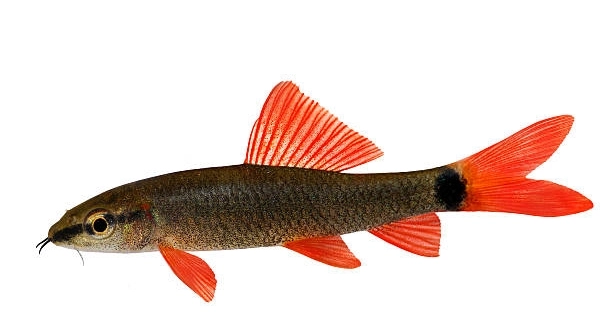
Rainbow sharks are popular freshwater fish known for their vibrant colors and active nature. Many fishkeepers enjoy keeping them with other species. However, choosing compatible tankmates can be challenging due to their territorial behavior and specific needs.
To improve compatibility, it is essential to select peaceful and similarly sized fish while providing ample space and hiding spots. Maintaining stable water conditions and monitoring interactions helps reduce stress and aggression among tankmates.
Learning how to balance these factors will help create a peaceful aquarium environment where your rainbow shark and its companions can thrive together.
Choosing the Right Tankmates
Selecting the right tankmates is the first step in ensuring your rainbow shark lives peacefully with others. Rainbow sharks can be territorial, especially in smaller tanks. It’s best to avoid small, slow-moving fish that may become targets. Instead, opt for medium-sized, fast-swimming species that can hold their own. Avoid other bottom-dwellers that compete for the same space, as this can cause conflict. Also, shy fish may get stressed by the shark’s activity. Some suitable companions include danios, barbs, and larger tetras. Always consider the temperament and size of potential tankmates before introducing them. This reduces the risk of aggressive encounters and ensures everyone has enough room to swim comfortably. Proper tankmate selection promotes a balanced and peaceful aquarium environment where fish can coexist without constant stress or fighting.
Keeping compatibility in mind helps prevent issues that arise from overcrowding or mismatched behavior.
Understanding your fish’s nature is key to picking companions that fit well with your rainbow shark’s personality.
Providing Ample Space and Hiding Spots
Rainbow sharks need enough space to establish their territory without feeling crowded. A larger tank helps reduce tension between fish and gives them room to explore. A minimum of 30 gallons is recommended, but bigger is always better when keeping multiple species. Including plenty of hiding spots like caves, plants, and decorations allows fish to retreat when they feel threatened. These shelters reduce stress and prevent aggressive behaviors. Avoid open tanks with little cover, as this can lead to increased fights over territory. Grouping hiding places throughout the tank helps fish spread out evenly, minimizing clashes. Adding decorations also makes the environment more natural, which benefits all inhabitants. Regularly rearranging the setup can prevent fish from becoming too attached to specific spots and reduce territorial disputes over time. Adequate space and hiding spots are essential for a harmonious aquarium where rainbow sharks and tankmates can thrive.
Maintaining Stable Water Conditions
Stable water conditions are vital for reducing stress and aggression in rainbow sharks and their tankmates. Sudden changes in temperature, pH, or ammonia levels can cause fish to become irritable or sick, leading to conflicts.
Regular testing and monitoring of water parameters help keep the tank environment consistent. Use a reliable water test kit to check pH, ammonia, nitrite, and nitrate levels weekly. Maintain the pH between 6.5 and 7.5, and keep the temperature around 74-80°F. Perform partial water changes regularly to remove toxins and replenish minerals. Avoid overcrowding, which can lead to poor water quality and stress. A well-filtered tank with stable parameters supports healthier, calmer fish that coexist better.
Besides water quality, keeping the tank clean by removing uneaten food and debris also prevents the buildup of harmful substances. Stable water conditions are a foundation for peaceful community tanks with rainbow sharks.
Monitoring Fish Behavior Closely
Watching your fish closely helps catch signs of aggression early before they escalate. Look for chasing, nipping, or hiding, which can indicate stress or conflict. Intervene quickly if you notice such behaviors.
If a particular fish becomes aggressive repeatedly, consider moving it to a separate tank or rearranging the aquarium layout to break up established territories. Sometimes adding more hiding spots or increasing tank size can reduce tension. Keep a log of behaviors to track patterns and changes over time. Being attentive allows you to adjust conditions to suit the needs of all tank inhabitants and maintain harmony.
Feeding Your Rainbow Shark Properly
A well-fed rainbow shark is less likely to show aggression toward tankmates. Provide a balanced diet with high-quality pellets, flakes, and occasional live or frozen foods.
Feed small amounts two to three times daily to prevent overfeeding, which can cause water issues and stress among fish.
Quarantine New Fish Before Adding
Quarantining new fish for at least two weeks helps prevent introducing diseases or parasites to your tank. Healthy tankmates reduce stress and aggression.
Always observe new arrivals for signs of illness before mixing them with established fish.
Avoid Overcrowding the Tank
Overcrowding increases stress, competition for resources, and territorial disputes among fish. Maintaining an appropriate number of fish for your tank size is essential to reduce conflicts.
Providing enough space helps each fish establish its own area and decreases aggressive encounters.
FAQ
How can I tell if my rainbow shark is being aggressive?
Aggressive behavior in rainbow sharks includes chasing other fish, nipping fins, and chasing them out of certain areas. They may flare their fins and swim rapidly when feeling threatened or territorial. If you notice one fish consistently bullying others or causing them to hide, it’s likely showing aggression.
What types of fish should I avoid keeping with a rainbow shark?
Avoid very small, slow-moving, or shy fish. These types often become targets because rainbow sharks are territorial and active swimmers. Also, avoid other bottom-dwelling fish that share the same space, such as certain catfish or loaches, to prevent competition and fights over territory.
Can adding more hiding places reduce aggression?
Yes, providing plenty of hiding spots helps fish feel safe and less stressed. When fish have places to retreat, they are less likely to confront each other. This reduces fights and gives shy or smaller fish a chance to escape aggressive behavior.
How big should my tank be for a rainbow shark and its tankmates?
A minimum of 30 gallons is recommended for one rainbow shark with compatible tankmates. Bigger tanks are better because they provide more space to establish territories and reduce stress. Overcrowding leads to more aggression and health problems.
How often should I change the water to keep aggression down?
Perform partial water changes of 20-30% every week or two. Regular water changes keep the tank clean and water parameters stable, which helps reduce stress and aggressive behavior. Clean water supports fish health and calm interactions.
Is it normal for rainbow sharks to chase other fish sometimes?
Some chasing is normal because rainbow sharks are naturally territorial. However, constant or severe chasing that injures other fish is a problem. If chasing becomes intense, try rearranging the tank or separating the aggressive fish.
What diet is best to keep my rainbow shark healthy and calm?
A varied diet including high-quality sinking pellets, flakes, and live or frozen foods like bloodworms or brine shrimp is best. Feeding small amounts two to three times daily prevents hunger-driven aggression and supports overall health.
Should I quarantine new fish before adding them to the tank?
Yes, quarantining new fish for two weeks prevents introducing diseases that cause stress and aggression. Observing new fish in a separate tank helps ensure they are healthy before mixing with existing fish.
Can tank decorations influence fish behavior?
Definitely. Decorations like rocks, plants, and caves create natural boundaries and reduce territorial disputes. They also provide shelter and places for fish to hide, which lowers stress and aggressive encounters.
How do I handle an overly aggressive rainbow shark?
If aggression persists, consider moving the shark to a larger tank or a tank by itself. Rearranging decorations or adding more hiding spots may help. In some cases, separating aggressive fish is necessary to protect others.
What water parameters are ideal for rainbow sharks and their tankmates?
Maintain a temperature between 74-80°F, pH from 6.5 to 7.5, and low ammonia and nitrite levels. Stable water conditions are crucial for fish health and reducing aggressive behavior.
Can overcrowding cause health problems besides aggression?
Yes, overcrowding stresses fish and increases the risk of disease outbreaks. It also lowers oxygen levels and worsens water quality, which harms all tank inhabitants.
How do I know if tankmates are stressed?
Signs of stress include hiding, loss of appetite, faded colors, and erratic swimming. Stressed fish are more vulnerable to disease and aggression from others.
Is it okay to keep more than one rainbow shark together?
Keeping multiple rainbow sharks together is usually not recommended unless the tank is very large and heavily planted. They tend to be territorial toward each other, which can cause fights.
How long do rainbow sharks typically live?
With proper care, rainbow sharks can live up to 5 to 8 years. Good tank conditions, a proper diet, and peaceful tankmates contribute to a long, healthy life.
Final Thoughts
Keeping rainbow sharks with compatible tankmates requires attention to several important factors. Choosing peaceful and similarly sized fish helps reduce conflict and allows everyone to share the tank more comfortably. It is important to avoid overcrowding the aquarium because too many fish in a small space can cause stress and aggression. Providing enough room, along with plenty of hiding spots, lets fish establish their own territory and feel secure. When each fish has a place to retreat, it lowers the chance of fights and makes the tank a calmer environment.
Maintaining stable water conditions is also key to keeping your rainbow shark and its tankmates healthy. Sudden changes in temperature, pH, or water quality can make fish irritable and prone to aggression. Regular testing and partial water changes help maintain a clean, balanced environment. Feeding your fish a varied diet with the right portions keeps them healthy and reduces hunger-driven fights. Watching your fish’s behavior closely lets you notice early signs of stress or aggression, so you can take action before problems get worse.
In the end, creating a peaceful community tank takes some effort and care, but it is very rewarding. When tankmates live together without constant fighting, it is easier to enjoy their colors and natural behaviors. Your rainbow shark can thrive alongside other fish if you pay attention to their needs and the tank setup. Remember that every fish is different, so patience and observation will help you make adjustments as needed. With time, your aquarium can become a balanced, beautiful space where all its inhabitants are happy and healthy.

Hello,
If you enjoy the content that we create, please consider saying a "Thank You!" by leaving a tip.
Every little bit helps us continue crafting quality advice that supports the health, happiness, and well-being of pets around the world, for pets of all shapes, sizes, and species.
We really appreciate the kindness and support that you show us!