
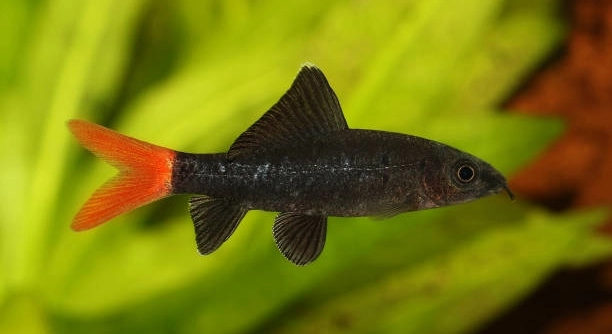
Have you ever brought home a rainbow shark, only to realize it seems shy, stressed, or even aggressive in its new tank?
Helping your rainbow shark settle into its new home involves careful attention to tank setup, water conditions, and proper tank mates. These elements play a key role in reducing stress and encouraging natural behavior in your fish.
From choosing the right decor to managing tank dynamics, each step matters in creating a safe and peaceful space your rainbow shark can thrive in.
Choose the Right Tank Setup
Rainbow sharks need plenty of space to feel secure. A tank that is at least 55 gallons gives them room to swim and claim their territory. These fish are naturally territorial, especially as they mature. Adding rocks, caves, and plants helps break up lines of sight and gives your shark places to hide or rest. Avoid overly crowded tanks, as too many fish in a small space can cause stress and aggression. Using a soft substrate like sand is ideal, since rainbow sharks enjoy digging. Make sure the tank has a secure lid, because they are known to jump. Good water flow, a strong filter, and steady lighting will also make your shark more comfortable. Setting up a stable, roomy environment from the beginning helps prevent unwanted behaviors later on and gives your fish a calm place to settle into its new home without being overwhelmed by sudden changes.
A clean, well-decorated tank that mimics their natural habitat helps reduce stress. It also allows your rainbow shark to show more relaxed and active behavior.
Give your fish time to explore and adjust before adding other tank mates. Letting it settle in first lowers the risk of defensive behavior and aggression.
Maintain Ideal Water Conditions
Poor water quality can quickly stress a rainbow shark. Keeping things stable helps it feel safe and healthy.
Water temperature should stay between 75–80°F, with pH between 6.5–7.5. Use a reliable heater and thermometer to avoid sudden changes. Rainbow sharks need well-oxygenated water, so consider adding an air stone or ensuring strong filtration. Ammonia, nitrite, and nitrate levels should always be monitored using a good test kit. Do regular water changes—20 to 25 percent weekly works well—to keep the tank clean. Always treat tap water with a conditioner to remove chlorine and heavy metals. Avoid using harsh chemicals or medications unless necessary. If possible, cycle the tank before adding your rainbow shark to allow beneficial bacteria to establish. This process helps keep harmful toxins from building up. Keeping the water clean and within the right parameters helps prevent illness, supports normal behavior, and allows your fish to adapt without unnecessary stress. Consistency is key when it comes to water quality.
Pick Tank Mates Carefully
Rainbow sharks can become aggressive if they feel crowded or threatened. They do best with peaceful fish that swim in the upper parts of the tank and don’t look or behave like them.
Avoid housing rainbow sharks with other bottom dwellers or similar-shaped fish like red-tailed sharks or albino sharks. These fish may trigger territorial behavior, especially in smaller tanks. Good options include barbs, gouramis, danios, or rasboras—species that are fast enough to avoid conflict and don’t challenge the rainbow shark for space. Always add tank mates after the rainbow shark has had time to settle in. Rearranging decorations before adding new fish can also help reduce territorial aggression. If you see chasing or biting, you may need to rehome one of the fish. While they can be aggressive, a rainbow shark kept in the right setting with the right tank mates can live peacefully for many years.
Tank mates should be chosen with care and introduced slowly. Watch how your rainbow shark reacts to them over the first few days. If you notice signs of stress—like hiding, chasing, or refusing food—you may need to separate the fish. The goal is to build a stable, low-stress environment that supports everyone in the tank.
Feed a Balanced Diet
Rainbow sharks are omnivores and need both plant and animal-based foods. Offer them sinking pellets as their main food, since they stay near the bottom of the tank.
Supplement their diet with algae wafers, blanched vegetables like zucchini or spinach, and occasional treats like bloodworms or brine shrimp. Feeding them once or twice a day in small portions is best. Remove any leftovers to prevent water quality issues. A balanced diet helps support their immune system, color, and energy levels. Avoid overfeeding—it can lead to bloating and excess waste. You may also notice aggression if your shark is hungry or competing for food. If you have other fish in the tank, make sure all of them are getting enough to eat. Spread food around the tank so the rainbow shark doesn’t try to guard it all. A proper diet helps your fish stay active, calm, and healthy long-term.
Give It Time to Adjust
When first introduced to a new tank, rainbow sharks often act shy or hide. This is normal and part of the adjustment process. Let it settle at its own pace without interfering too much or making sudden changes.
Avoid adding tank mates or changing the layout right away. Stability helps your fish feel safe. Sudden movement, loud sounds, or tapping the glass can slow down the settling process and cause extra stress.
Limit Light and Disruption Early On
Keep tank lights dim or off for the first day or two. This helps reduce stress while the shark adjusts. Limit activity around the tank and avoid loud noises. If possible, place the tank in a low-traffic area to create a calmer environment. Rainbow sharks may hide more at first, which is completely normal. Allow it space to explore when it’s ready. Once it begins swimming more freely and showing interest in food, it’s a sign it’s starting to settle. Be patient, and resist the urge to constantly check or move things around. Small, steady steps help the fish feel more at ease.
Monitor Behavior Closely
Watch for changes in swimming patterns, eating habits, or color. These may signal stress or illness and should be addressed early.
How long does it take for a rainbow shark to settle into a new tank?
Rainbow sharks usually take about one to two weeks to adjust to a new environment. During this time, they may hide or act nervous as they explore and get used to their surroundings. Providing a stable tank setup and maintaining consistent water conditions speeds up this process. Avoid frequent changes or disturbances to help your fish feel secure more quickly.
Why is my rainbow shark hiding all the time?
Hiding is normal behavior for rainbow sharks, especially when they are new to a tank. They use hiding spots to feel safe and reduce stress. If your fish is hiding excessively after the first few weeks, check water quality and tank mates. Poor water or aggressive neighbors can cause ongoing stress, making the fish reluctant to swim freely.
Can rainbow sharks live with other fish?
Yes, but tank mates should be chosen carefully. Rainbow sharks are territorial and can show aggression toward similar-shaped or bottom-dwelling fish. Peaceful, fast swimmers that occupy different tank levels, such as barbs or danios, tend to coexist better. Always observe their interactions and be ready to separate fish if needed.
What should I feed my rainbow shark?
A varied diet is best. Use sinking pellets as a staple, and add algae wafers, blanched vegetables, and occasional protein treats like bloodworms. Feed small amounts once or twice daily to avoid overfeeding. A balanced diet supports their color, health, and reduces aggressive behavior linked to hunger.
Why is my rainbow shark chasing other fish?
Chasing is a sign of territorial behavior or stress. It often happens if the tank is too small or overcrowded. Rearranging tank decorations can help reset territories. If aggression continues, consider increasing tank size or separating fish. Proper feeding also reduces competition and aggressive tendencies.
How do I know if my rainbow shark is stressed?
Signs of stress include hiding constantly, loss of color, rapid breathing, or refusal to eat. Stress may come from poor water quality, incompatible tank mates, or sudden changes. Testing water and observing fish behavior regularly helps catch stress early so corrective actions can be taken.
Is it necessary to cycle my tank before adding a rainbow shark?
Yes. A fully cycled tank establishes beneficial bacteria that break down harmful ammonia and nitrites. This creates a safe environment for your fish and reduces illness risk. Cycling usually takes 4–6 weeks but can be faster with proper methods. Avoid adding fish before cycling is complete.
How often should I change the water?
Weekly water changes of 20 to 25 percent are recommended. Regular changes remove toxins and keep water fresh. Use a water conditioner to remove chlorine and other chemicals from tap water. Consistent maintenance supports your rainbow shark’s health and helps it settle comfortably.
Can rainbow sharks jump out of the tank?
Yes, rainbow sharks can jump, especially if startled or in poor water conditions. Always use a secure tank lid to prevent escapes. Jumping can cause injury or death, so it’s important to minimize stressors and provide hiding spots to make your fish feel safe.
What is the ideal tank temperature for a rainbow shark?
Maintain the water temperature between 75 and 80°F (24–27°C). Sudden temperature changes can stress your fish, so use a reliable heater and thermometer. Consistent temperature helps keep the rainbow shark healthy and active.
Taking care of a rainbow shark and helping it settle into its new home requires patience and attention. These fish are sensitive to changes in their environment, so creating a stable and comfortable tank is very important. Providing enough space, clean water, and proper hiding spots will help your rainbow shark feel safe. It is also important to maintain the right water temperature and quality, as sudden changes can cause stress or illness. Keeping the tank environment steady and peaceful is the best way to help your fish adjust smoothly.
Choosing compatible tank mates and feeding a balanced diet also plays a big role in your rainbow shark’s well-being. Avoid overcrowding the tank and choose fish that are peaceful and swim in different areas of the tank to reduce conflict. Feeding your fish the right kinds of food in small, regular amounts helps support its health and keeps aggressive behavior low. Overfeeding or poor diet can lead to health problems and stress. Watching how your rainbow shark interacts with other fish can give you important clues about how well it is settling in.
Finally, remember that every rainbow shark is different, and some may take longer to adjust than others. Avoid rushing the process by making too many changes at once. Give your fish time to explore and feel comfortable. Keep an eye on its behavior and appearance, and act quickly if you see signs of illness or stress. By providing steady care and a good environment, you will help your rainbow shark thrive and enjoy its new home for many years to come. Patience and consistency are key to a happy and healthy fish.

Hello,
If you enjoy the content that we create, please consider saying a "Thank You!" by leaving a tip.
Every little bit helps us continue crafting quality advice that supports the health, happiness, and well-being of pets around the world, for pets of all shapes, sizes, and species.
We really appreciate the kindness and support that you show us!