
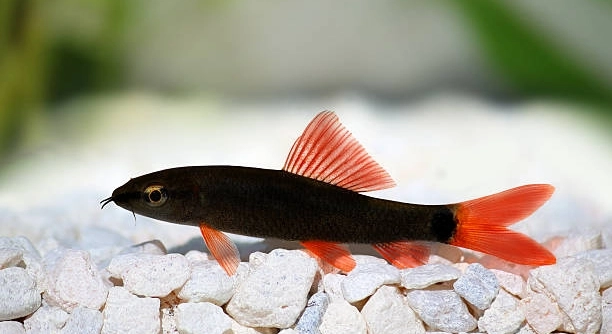
Is your rainbow shark acting shy or stressed in its new tank, leaving you unsure how to help it feel at home? Transitioning to a new environment can be difficult for this unique and active freshwater fish.
The best way to help your rainbow shark feel comfortable in a new tank is to provide plenty of hiding spots, maintain stable water conditions, and avoid adding aggressive tank mates during the initial adjustment period.
With the right setup and a few small changes, you can create a space where your rainbow shark feels safe, confident, and ready to thrive.
Create Plenty of Hiding Spaces
Rainbow sharks can be territorial and often feel uneasy in open spaces. When moved to a new tank, they need secure areas to retreat to while they get used to their surroundings. Adding caves, plants, and driftwood gives your fish places to hide, which helps lower stress levels. When they feel safe, they explore more and become less aggressive toward other fish. Avoid crowding the tank, but make sure there’s enough cover at different levels. Artificial decorations work well, but natural elements like rocks and live plants are often better for water quality and comfort.
Hiding spots not only reduce anxiety but also make your rainbow shark feel more in control of its environment. This leads to more natural behavior and a better chance of settling in well.
Choosing the right items for your tank setup can make all the difference. Smooth rocks, stacked carefully, provide shelter while keeping your fish safe from sharp edges. You can also use clay pots turned on their side, or create tunnels from PVC pipes. Tall plants like anubias or java fern help block lines of sight, which reduces tension. The key is to offer variety without making the tank feel cramped. A few well-placed spots are often enough.
Keep Water Conditions Consistent
Rainbow sharks are sensitive to changes in water quality. Stable parameters help them adjust faster and stay healthy in a new tank.
Start by keeping the temperature between 75°F and 81°F, and use a reliable heater to prevent sudden changes. pH levels should stay between 6.5 and 7.5, with ammonia and nitrite levels at zero. Nitrate levels should be kept low, ideally under 20 ppm. Use a test kit weekly to track changes. If you’re adding your rainbow shark to a newly cycled tank, make sure the cycling process is fully complete. Frequent water changes, around 20–25% each week, help keep things steady. Use a dechlorinator when changing water to avoid stressing the fish. Avoid adding too many new tank mates during the first few weeks. This gives your rainbow shark time to settle without extra competition or stress. Keeping a calm, clean environment will give your fish the best chance to thrive.
Limit Aggression from Tank Mates
Rainbow sharks are known to be territorial, especially when introduced to new surroundings. Keeping them with calm, non-aggressive species helps reduce stress and creates a more peaceful tank environment.
Avoid housing your rainbow shark with other bottom dwellers or similarly shaped fish. Fish like red tail sharks, bala sharks, or even other rainbow sharks can trigger territorial behavior. Instead, go for upper or mid-level swimmers that don’t compete for space. Good choices include barbs, danios, or larger tetras. These fish move quickly and are less likely to provoke or challenge the rainbow shark. It’s also helpful to keep your tank size generous—at least 55 gallons—to give all fish their own territory. Rearranging the tank slightly before introducing new fish can also help. It breaks established zones and gives everyone a fresh start, including your rainbow shark.
Monitoring your tank for signs of aggression is important during the first few weeks. If you notice constant chasing, fin nipping, or one fish hiding all the time, it’s a sign that something isn’t working. You may need to remove the problem fish or add more hiding spots to ease tension. Quick action helps avoid injuries and keeps your tank stable as your rainbow shark adjusts to its new space.
Feed the Right Way During the Adjustment
During the first few days in a new tank, rainbow sharks may not eat much. That’s normal, and forcing extra food can lead to poor water quality and more stress.
Stick to feeding small amounts once per day, using sinking pellets or algae wafers that reach the bottom. Avoid flakes, as they often float and won’t get noticed. If your shark skips a meal or two at first, don’t worry—it should begin eating again once it feels safe. Remove uneaten food within a few minutes to prevent buildup and water changes. Keeping feeding consistent helps your fish settle faster and feel more secure.
Once your rainbow shark starts eating regularly, you can offer more variety. Add blanched vegetables like zucchini or cucumber once or twice a week. You can also offer bloodworms or brine shrimp as a treat, but only in small amounts. Overfeeding can cause digestive issues and lead to ammonia spikes, especially in a new tank where the balance is still delicate. Feeding at the same time each day helps create routine and lowers stress. Observing how your shark eats is also a good way to spot early signs of illness or discomfort. A healthy appetite is one of the first signs that your fish feels comfortable.
Keep Lighting Soft and Consistent
Bright lighting can overwhelm a rainbow shark, especially in a new environment. Use soft, dimmable lights or add floating plants to reduce brightness. A calm setting helps your fish feel safer and less exposed during the adjustment phase.
Try to keep lighting on a regular schedule. Around 8–10 hours a day is enough. Too much light can stress your fish, while too little affects its activity levels. Use a timer if needed to avoid sudden changes or long dark periods, which can throw off your rainbow shark’s natural rhythm.
Avoid Rearranging the Tank Too Soon
Once your rainbow shark begins to settle, avoid moving decorations or changing layouts. Frequent changes can reset territory boundaries and trigger stress or aggression. Let your fish adjust to its space before making any major changes. Keeping the layout stable builds comfort and encourages normal behavior.
Be Patient with Behavior Changes
Some hiding, pacing, or food refusal is expected in the beginning. Give your rainbow shark time to adjust. Most behavior issues settle once the fish feels safe and confident in its surroundings. Patience is key during the first few weeks.
FAQ
How long does it take for a rainbow shark to adjust to a new tank?
Most rainbow sharks take about one to two weeks to adjust to a new tank. During this time, it’s common for them to hide, avoid food, or act territorial. If the environment is calm and stable, they usually begin exploring more and eating regularly by the end of the first week. Some may need a bit longer, especially if there are tank mates or frequent changes to their setup. Keeping water conditions steady and avoiding disruptions will help speed up the adjustment process.
Why is my rainbow shark hiding all the time?
Rainbow sharks often hide when they feel unsafe or stressed. In a new tank, this is completely normal. Hiding helps them feel secure while they get used to their surroundings. They may also stay hidden if the lighting is too bright or if there aren’t enough hiding places. Over time, as they become more comfortable, they’ll start to come out more often. If the hiding continues beyond two weeks, check for water issues or signs of bullying from tank mates.
Can I keep more than one rainbow shark in the same tank?
It’s not recommended to keep more than one rainbow shark in the same tank unless the space is very large—at least 125 gallons. Rainbow sharks are territorial and usually do not get along with others of their kind. Keeping two in a smaller tank can lead to constant chasing, injuries, or extreme stress. If you really want more than one, the tank must be large with plenty of hiding places and broken sightlines to reduce tension.
What should I feed a rainbow shark that won’t eat?
If your rainbow shark isn’t eating during the first few days, don’t panic. Offer small portions of sinking pellets and remove uneaten food after 5 minutes. Once your fish feels safe, it should begin eating again. You can also try offering a small piece of blanched zucchini or a tiny amount of frozen bloodworms. Make sure the food reaches the bottom where rainbow sharks typically feed. Avoid overfeeding during this period, as it can make water conditions worse.
Why is my rainbow shark chasing other fish?
Chasing is usually related to territory, especially in smaller tanks. Rainbow sharks are naturally territorial, and they may see other bottom dwellers or similar-looking fish as a threat. Make sure your tank is at least 55 gallons, with plenty of decorations and hiding spots. Rearranging the layout can sometimes help reset territories. Also, check that tank mates are fast and peaceful—not too slow or aggressive. Avoid housing your rainbow shark with other shark-like fish, which often triggers aggression.
What tank size is best for a rainbow shark?
A 55-gallon tank is the minimum recommended size for one rainbow shark. This gives them enough space to swim freely and establish their own area. Smaller tanks often lead to stress and aggression, especially if there are other fish present. Larger tanks also help keep water parameters stable, which is especially important during the adjustment period. If you’re planning to add tank mates, the bigger the tank, the better.
How can I tell if my rainbow shark is stressed?
Signs of stress include constant hiding, faded color, rapid breathing, loss of appetite, or aggressive chasing. In a new tank, mild stress is expected at first, but it should improve within a week or two. If the behavior continues, check your water conditions and make sure there’s enough space and hiding areas. Stress can lead to illness over time, so it’s important to respond early. Keeping lighting soft, tank mates peaceful, and feedings consistent can make a big difference.
What water parameters do rainbow sharks need?
Rainbow sharks thrive in water with a temperature between 75°F and 81°F, a pH of 6.5 to 7.5, and ammonia and nitrite levels at 0 ppm. Nitrates should stay under 20 ppm. These fish are sensitive to poor water quality, so use a test kit regularly and change 20–25% of the water weekly. Avoid sudden changes in temperature or pH, especially during their adjustment period. Stable water conditions help prevent stress and illness.
Is it okay to add decorations after the rainbow shark is in the tank?
It’s better to finalize most of the decorations before introducing your rainbow shark. Rearranging the tank soon after they’re added can disrupt their sense of territory and cause stress. If you need to add something, do it gradually and avoid moving key hiding spots. Small changes are fine once your fish is settled, but try not to make large adjustments during the first few weeks. Stability helps them feel safe and more confident.
Final Thoughts
Helping your rainbow shark feel comfortable in a new tank takes time, patience, and a bit of planning. The early days are often the hardest, as your fish adjusts to new surroundings, water conditions, and possible tank mates. It’s normal to see some hiding, changes in behavior, or even a lack of appetite at first. This does not always mean something is wrong—it simply takes time for fish to feel secure. Creating a calm space with plenty of hiding places and soft lighting can make a big difference. Avoid changing things too quickly, and allow your rainbow shark to settle at its own pace.
A steady routine will help build trust and reduce stress. Feeding at the same time each day, keeping the tank clean, and checking water conditions regularly all play an important role in your fish’s overall comfort. Avoid adding other aggressive or territorial fish, especially during the first few weeks. Choosing peaceful tank mates that swim in different areas of the tank helps keep the peace and allows your rainbow shark to form its own space without conflict. Most behavior issues can be avoided by keeping the tank large enough and well-decorated with hiding spots. When your fish feels safe, it will become more active, display better colors, and show more natural behavior.
Caring for a rainbow shark is not difficult, but it does require consistency. These fish are strong and active once settled, but they do not handle sudden changes well. A calm, stable environment is key. Over time, you’ll likely notice your rainbow shark exploring more and reacting to your presence in small ways. Watching this shift can be rewarding. It shows that your efforts are working and that your fish feels at home. By understanding their needs and making a few smart choices in the early stages, you give your rainbow shark the best chance to thrive in its new tank. Keep things simple, pay attention to changes, and enjoy the process of caring for such a unique and interesting fish.

Hello,
If you enjoy the content that we create, please consider saying a "Thank You!" by leaving a tip.
Every little bit helps us continue crafting quality advice that supports the health, happiness, and well-being of pets around the world, for pets of all shapes, sizes, and species.
We really appreciate the kindness and support that you show us!