
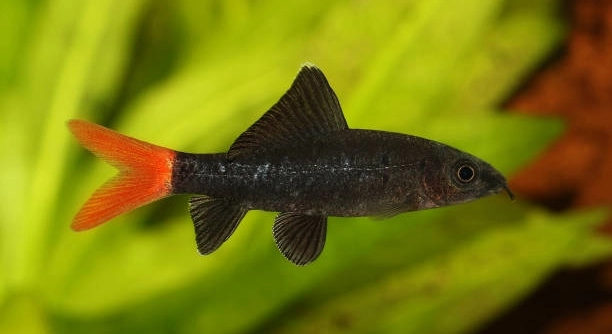
Are you preparing to move your rainbow shark to a new tank and want to ensure a smooth transition? Adjusting to a new environment can be stressful for this species, but with the right approach, you can help your fish settle comfortably and thrive. This article provides practical guidance for successful tank introductions.
Helping your rainbow shark adapt to a new tank involves gradual acclimation, maintaining stable water conditions, and providing adequate hiding spaces. Minimizing stress through careful handling and monitoring water quality ensures the fish’s well-being during the transition period.
Following these tips will support your rainbow shark’s health and comfort as it adjusts to its new home, making the process easier for both you and your fish.
Prepare the New Tank in Advance
Setting up the new tank before introducing your rainbow shark is essential. Make sure the water is fully cycled to remove harmful toxins like ammonia and nitrites. The temperature should match the current tank, ideally between 74 and 80°F, to avoid shocking the fish. Add decorations such as rocks, plants, and hiding spots to help your shark feel secure. Good filtration is also important to keep the water clean and oxygenated. Testing the water parameters like pH and hardness ensures the environment is stable. If the tank is too bright, provide some shaded areas to reduce stress. Taking time to prepare the new tank properly gives your rainbow shark a safe and comfortable place to explore once introduced.
Gradually acclimate your rainbow shark to avoid sudden changes. This helps the fish adjust without stress or health issues.
Introducing your rainbow shark into a well-prepared tank sets a strong foundation for its health. Fish thrive in stable environments, and your effort will show in their behavior and color vibrancy. Proper preparation prevents common problems such as disease outbreaks and aggressive behavior, which often occur when fish are stressed. Keeping the tank conditions consistent during the move makes the adjustment period smoother for your rainbow shark. Adding plenty of hiding spots gives the fish places to retreat while it gets used to the new surroundings. This helps reduce anxiety and encourages natural behavior, which is important for overall well-being. Regularly testing the water during the first weeks after moving ensures everything remains balanced. These steps contribute to a healthy, happy rainbow shark that can settle quickly and start exploring its new tank confidently.
Introduce the Fish Slowly and Carefully
Avoid placing your rainbow shark directly into the new tank without adjustment.
A slow introduction prevents stress and health problems.
Start by floating the bag or container with your rainbow shark in the new tank water for about 15 to 20 minutes. This helps the fish get used to the temperature. Then, gradually add small amounts of the tank water into the bag every 10 minutes for about an hour. This process allows the fish to adapt to the new water chemistry. After acclimation, gently release the fish into the tank, avoiding pouring the bag water directly to reduce contamination risks. Handling the fish minimally and calmly during this process also lowers stress. Keep the lighting dimmed during the first day to help the fish feel secure. Observe the rainbow shark closely after introduction to catch any signs of stress or illness early. Taking these precautions helps the fish settle safely and adjust to its new home.
Monitor Water Quality Closely
Keep a close eye on water quality during the first weeks.
Test ammonia, nitrite, nitrate, and pH levels regularly to catch any changes early. Water fluctuations can stress your rainbow shark and cause health issues. Maintaining clean water is critical for a smooth adjustment period.
Use a reliable test kit and change water as needed to keep conditions stable. Frequent small water changes prevent toxins from building up. Avoid overfeeding, as leftover food can quickly pollute the tank. Also, clean the filter media gently to preserve beneficial bacteria. Keeping water stable supports your fish’s immune system and helps reduce stress while adapting.
Provide a Balanced Diet
Offer varied food to support your rainbow shark’s health.
Include high-quality pellets or flakes designed for omnivorous fish as a staple. Supplement with live or frozen foods like bloodworms or brine shrimp occasionally. Adding fresh vegetables such as blanched zucchini or peas gives fiber and nutrients. Feeding small portions twice a day prevents overeating and keeps the tank cleaner. A balanced diet improves your fish’s color and activity level, which is a good sign of well-being. Avoid sudden diet changes during adjustment to prevent digestive issues. Gradually introduce new foods to help the shark accept them without stress. Consistent nutrition supports immune function, helping the fish recover from any stress caused by the move.
Reduce Stress with Proper Lighting
Keep lighting soft and dim during the first few days.
Bright lights can overwhelm your rainbow shark, increasing stress.
Maintain Stable Temperature
Avoid sudden temperature changes by using a reliable heater. Consistent warmth between 74 and 80°F helps your fish feel secure. Sudden drops or spikes can weaken its immune system and delay adjustment.
Watch for Signs of Illness
Look for unusual behavior or physical changes. Early detection helps prevent serious health problems.
FAQ
How long does it take for a rainbow shark to adjust to a new tank?
Rainbow sharks typically take about one to two weeks to settle into a new environment. During this period, they may hide more than usual and show less activity. Providing stable water conditions, hiding spots, and minimal disturbance helps speed up the adjustment process. Patience is important, as rushing the fish can cause unnecessary stress.
Can I put multiple rainbow sharks in the same tank?
Rainbow sharks can be territorial, especially in smaller tanks. It’s best to keep only one per tank or provide a very large aquarium with plenty of hiding places to reduce aggression. Introducing multiple rainbow sharks without enough space often leads to fights and stress.
What signs show that my rainbow shark is stressed after moving?
Common signs include hiding excessively, loss of appetite, faded colors, and erratic swimming. Stress can weaken their immune system, making them vulnerable to disease. Monitoring these behaviors early helps you intervene with water changes or adjusting tank conditions.
How often should I test the water after moving my rainbow shark?
Testing water every two to three days for the first two weeks is ideal. Focus on ammonia, nitrites, nitrates, and pH. Frequent testing ensures that water remains safe, as small tanks or new setups can experience quick fluctuations.
Is it necessary to quarantine a new rainbow shark before adding it to my tank?
Quarantining new fish is highly recommended to prevent introducing diseases to your established tank. A quarantine period of at least two weeks allows you to observe the fish for illness and treat if necessary before introducing it to your main aquarium.
What should I do if my rainbow shark refuses to eat after moving?
Refusal to eat can be a stress response. Offer familiar foods and try feeding during low light conditions to make your fish feel more secure. If the fish doesn’t eat for more than three days, check water parameters and consider consulting a vet.
Can I use water from the old tank when moving my rainbow shark?
Using water from the old tank during acclimation helps reduce shock by keeping water chemistry stable. It’s good to float the fish’s bag in the new tank and slowly add the new tank water while keeping some old water to ease the transition.
How important is hiding space for rainbow sharks in a new tank?
Hiding spaces are essential to reduce stress. Rainbow sharks naturally seek shelter to feel safe, especially when adjusting to new surroundings. Providing caves, plants, or decorations where they can retreat helps them adapt more quickly.
What temperature is best for rainbow sharks during adjustment?
Maintaining a stable temperature between 74 and 80°F is best. Sudden changes in temperature can cause stress and illness. Use a quality heater and monitor with a thermometer to keep the environment consistent.
Are there any signs that indicate my rainbow shark is healthy after moving?
Healthy rainbow sharks are active, have vibrant colors, and show interest in food. They swim confidently and explore their tank. Regularly observing these signs helps confirm your fish is adapting well.
Final thoughts are important when caring for a rainbow shark during its adjustment to a new tank. The process can be stressful for both the fish and the owner, but careful planning and attention to detail make a big difference. Ensuring the tank is fully prepared before introducing your rainbow shark helps create a stable environment. Stable water conditions, the right temperature, and proper filtration provide the foundation for your fish’s health. Taking these steps reduces the risk of illness and supports a smooth transition.
It is also crucial to handle your rainbow shark gently during the move. Gradual acclimation to the new water helps prevent shock, which can weaken the fish’s immune system. Providing hiding spots in the tank gives the fish places to retreat and feel safe. Stress can cause behavior changes and health problems, so watching your rainbow shark closely is necessary. Regular testing of water quality and keeping the tank clean ensure your fish remains in good condition. Feeding a balanced diet supports its immune system and encourages healthy growth.
Patience plays a key role in helping your rainbow shark settle. Every fish adjusts at its own pace, and rushing the process may cause more harm than good. Monitoring your fish for signs of stress or illness allows for quick intervention if needed. With time and care, your rainbow shark will become comfortable in its new home and show its natural behaviors. Taking these simple steps will help maintain your fish’s well-being and allow you to enjoy a vibrant, active pet in your aquarium.

Hello,
If you enjoy the content that we create, please consider saying a "Thank You!" by leaving a tip.
Every little bit helps us continue crafting quality advice that supports the health, happiness, and well-being of pets around the world, for pets of all shapes, sizes, and species.
We really appreciate the kindness and support that you show us!