
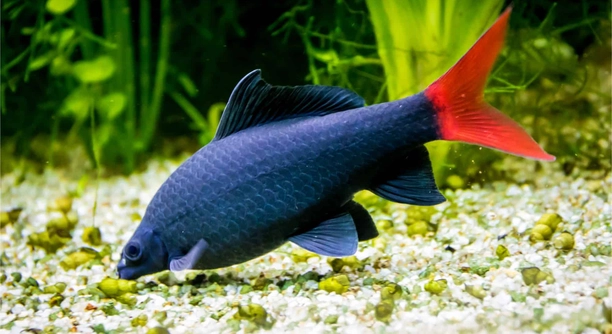
Is your rainbow shark acting uneasy or hiding more than usual after being introduced to a new tank environment? These behaviors are common when fish face unfamiliar surroundings, and a few adjustments can make a big difference.
Helping your rainbow shark adapt to new tank conditions involves maintaining stable water parameters, reducing stress through gradual acclimation, and providing proper hiding spots. Consistent lighting, minimal disturbances, and a compatible tank setup also promote smoother transitions and overall fish health.
Learning these basic strategies will support your fish’s comfort and help you build a more stable and peaceful aquatic home.
Give Your Rainbow Shark Time to Adjust
When you bring your rainbow shark home, the first few days are critical. It’s common for the fish to hide or act shy. This is a natural response to stress. The tank may be completely new to them, and they’ll need time to feel safe. Keep the environment calm by avoiding loud noises and bright lights. Limit interaction for the first couple of days and resist the urge to rearrange things in the tank. Let them get used to one stable environment. Make sure tankmates are peaceful and not too active. Aggressive or fast-swimming fish may cause your rainbow shark to stay hidden longer or show signs of stress. Keep the tank lights off for a few hours after introducing the shark and offer food once it becomes more comfortable. Observe its behavior from a distance, and don’t panic if it hides a lot during the first week.
Let your rainbow shark settle in before expecting it to swim around freely.
As it gets used to its environment, your rainbow shark will begin to explore more. Avoid rushing the process. Stress can make the fish vulnerable to health problems. A peaceful, stable setting helps your fish build confidence and explore its space more comfortably over time.
Keep the Water Conditions Stable
Shifting water conditions can make your rainbow shark feel unsafe. Sudden changes in temperature, pH, or hardness can cause stress and illness.
Rainbow sharks need water temperatures between 75°F and 81°F, with a pH range of 6.5 to 7.5. Use a reliable heater and thermometer to avoid temperature swings. Keep an eye on the tank’s pH with a weekly test. If the pH begins to shift, avoid large chemical corrections. Instead, focus on gradual changes with water conditioners or partial water changes using aged water. Water hardness should stay moderate, as extremes can create stress. Perform regular 20–25% water changes each week to keep nitrates under control. Use a gravel vacuum to remove waste and uneaten food. Make sure your filter is working properly, and clean it monthly without using soap. Stick to a schedule so the tank environment remains predictable. Consistency will help your rainbow shark stay healthy and calm in its new home.
Limit Tank Mates and Control Aggression
Rainbow sharks are territorial and may act aggressively toward other bottom-dwellers or fish with similar shapes. It’s best to limit tank mates that compete for the same space.
Avoid keeping other sharks or fish with long fins in the same tank. Choose peaceful mid- or top-level swimmers like barbs, danios, or gouramis. Ensure the tank is large enough—at least 55 gallons—so your rainbow shark can establish its territory. Use plants, caves, and driftwood to break lines of sight and reduce stress. This helps avoid chasing or fin-nipping behavior. Introduce all fish when they’re young and grow them together if possible. Rearranging décor before introducing a new fish can prevent territory issues. Always watch for signs of fighting or injuries. If aggression continues, you may need to separate fish for safety. A calm tank helps your rainbow shark feel safe and secure in its surroundings.
A peaceful tank supports better feeding habits, lower stress, and stronger immunity. When fish constantly fight, it creates an unstable environment. Keeping the right mix of fish and managing territory is key to a healthy tank. Your rainbow shark will behave better when it doesn’t feel threatened or challenged. Stable social dynamics help all fish live more comfortably together.
Provide Hiding Spots and Territory
Rainbow sharks need a defined space they can claim as their own. Hiding spots give them comfort, especially during stressful changes or illness. Without shelter, they may act aggressively or become withdrawn.
Use caves, rocks, plants, and driftwood to build a tank layout that offers visual breaks. These structures allow the rainbow shark to retreat when stressed or tired. Spread the decorations evenly to reduce competition for space. Avoid sharp objects that can injure the fish. Creating these safe zones helps reduce aggression and improve overall comfort. When your shark has a space to hide, it feels more in control and less reactive. It will still come out to explore, especially if it feels unthreatened. Don’t overcrowd the tank with too many decorations, but make sure there are enough zones for both hiding and swimming. A balanced setup supports better health and helps your fish adjust to new conditions more easily.
Feed a Consistent and Balanced Diet
A stable diet helps your rainbow shark feel secure in its environment. Stick to a feeding routine and avoid overfeeding. Use high-quality sinking pellets as the main food, and supplement with occasional protein treats.
Overfeeding leads to poor water quality and stress. Feed small portions once or twice daily. Remove uneaten food after five minutes to prevent buildup. Include some blanched vegetables like zucchini or spinach for variety. A consistent diet supports better digestion, immunity, and behavior.
Reduce Sudden Changes in the Environment
Rainbow sharks react strongly to environmental changes, especially sudden ones. Avoid quick shifts in lighting, loud noises near the tank, or drastic decor changes. If you must clean or rearrange the tank, do it gradually. Stability encourages trust and helps your fish feel comfortable. Let the tank stay as predictable as possible.
Use Proper Lighting and Tank Placement
Place the tank in a low-traffic area with soft lighting. Too much noise or light can stress your rainbow shark. A quiet spot allows for better rest and reduces defensive behavior.
FAQ
How long does it take for a rainbow shark to adjust to a new tank?
Most rainbow sharks take one to two weeks to fully adjust to a new tank. Some may settle in sooner, while others can take a little longer depending on the tank setup and stress levels. During this time, avoid rearranging the tank or introducing new fish. Let the environment stay stable and quiet. Provide enough hiding spots and keep the lights low at first. Be patient and avoid handling the fish. Over time, your rainbow shark should become more active and explore more freely.
Can I keep more than one rainbow shark in the same tank?
It’s best to keep only one rainbow shark per tank. They are territorial and often become aggressive toward others of their kind. If you try to keep more than one, you’ll need a very large tank—at least 125 gallons—with many hiding places and divided spaces to reduce conflict. Even then, fights may still happen. For most home aquariums, a single rainbow shark is safest. If you want to add tank mates, choose peaceful, mid- or top-dwelling species that do not resemble the rainbow shark or compete for space.
What are signs that my rainbow shark is stressed?
Stressed rainbow sharks may hide constantly, stop eating, breathe rapidly, or become more aggressive. Their colors can fade slightly, and their behavior may become unpredictable. Stress is often caused by sudden changes in water conditions, poor tank setup, or aggressive tank mates. Watch for these signs during the first few weeks after introducing your fish. If the behavior continues, check the water parameters and tank environment. Sometimes a simple change, like adding a new hiding spot or improving water quality, can make a big difference in reducing stress.
What should I feed my rainbow shark for optimal health?
A balanced diet includes high-quality sinking pellets, algae wafers, and occasional protein sources like bloodworms or brine shrimp. Offer small portions once or twice a day. You can also feed blanched vegetables such as zucchini, spinach, or cucumber a few times per week. Variety is helpful but don’t overfeed. Uneaten food should be removed within five minutes. A steady feeding schedule with clean food supports healthy digestion, stronger immunity, and better behavior. Stick to a consistent routine to avoid stressing the fish with frequent dietary changes.
Can rainbow sharks live with other bottom-dwellers like plecos or loaches?
It depends on the tank size and personality of the fish. Rainbow sharks often show territorial behavior toward bottom-dwelling species like plecos, loaches, or catfish. In a large tank with lots of hiding spots and broken lines of sight, they may tolerate each other. Introduce all fish at a young age and monitor their interactions. If chasing or fighting becomes common, you may need to rehome one of the fish. Avoid pairing rainbow sharks with fish that have a similar shape or swimming pattern to reduce the chance of aggression.
Do rainbow sharks need a filter in their tank?
Yes, a filter is essential. Rainbow sharks produce waste like any other fish, and the filter helps maintain water quality by removing toxins and debris. Choose a filter that fits your tank size and doesn’t create too strong a current. A sponge filter or a hang-on-back filter with adjustable flow works well. Regularly clean the filter using tank water—not tap water—to keep beneficial bacteria alive. Proper filtration helps stabilize water parameters and keeps your rainbow shark healthier over time. Good filtration also reduces the frequency of water changes needed.
What size tank is best for a rainbow shark?
A single rainbow shark needs at least a 55-gallon tank to thrive. A smaller tank increases stress and leads to more aggressive behavior. The larger the tank, the more room the shark has to establish a territory and swim freely. For tanks with other fish, go bigger—75 gallons or more. Make sure the tank is long rather than tall to give your shark horizontal swimming space. Include caves, plants, and decorations to create hiding zones and natural breaks in sightlines. A proper tank size is one of the most important steps in supporting your fish’s health.
How often should I change the water in a rainbow shark tank?
Change about 20–25% of the water weekly. This keeps nitrate levels low and helps maintain overall water quality. Use a gravel vacuum to remove debris during water changes. Always treat tap water with a conditioner before adding it to the tank. Make sure the new water matches the tank’s temperature to avoid shocking the fish. Regular water changes are key to preventing stress and illness. Skipping changes for too long can lead to cloudy water, algae growth, or dangerous ammonia buildup. Consistency is what keeps your rainbow shark’s environment stable and safe.
Final Thoughts
Helping your rainbow shark adapt to new tank conditions takes time, patience, and attention to detail. These fish are sensitive to changes in their environment, so the way you set up the tank and manage daily care has a big impact. A calm and stable space will always lead to better behavior and stronger health. Try to keep things consistent, especially during the first few weeks. Avoid sudden changes in lighting, water parameters, or tank layout. Let your rainbow shark get comfortable at its own pace without too much interference. Simple steps, like using the right decorations or keeping a steady feeding schedule, can go a long way.
Aggression and stress are common issues with rainbow sharks, but they can be avoided with the right setup. Providing enough space, choosing peaceful tank mates, and offering hiding spots can reduce conflict. Keep in mind that every fish has its own personality. What works for one rainbow shark may not work for another. Stay observant and adjust as needed. If your fish hides more than usual or acts restless, check the water conditions first. Often, a small fix—like correcting temperature or pH—can improve the situation quickly. Watching for changes and acting early is better than waiting until the problem becomes more serious.
Once your rainbow shark feels secure, you’ll start to see its natural behavior. It will swim confidently, explore the tank, and show off its bold colors. A healthy rainbow shark adds energy and beauty to any aquarium. The key is to create a space where the fish feels safe and has room to grow. While they don’t require constant attention, they do need regular care. Clean water, a proper diet, and peaceful surroundings all work together to keep your fish happy. By keeping things simple and consistent, you’ll not only help your rainbow shark adjust—you’ll also make your entire tank more stable. It’s a small effort that leads to a healthier, more enjoyable aquarium for everyone.

Hello,
If you enjoy the content that we create, please consider saying a "Thank You!" by leaving a tip.
Every little bit helps us continue crafting quality advice that supports the health, happiness, and well-being of pets around the world, for pets of all shapes, sizes, and species.
We really appreciate the kindness and support that you show us!