
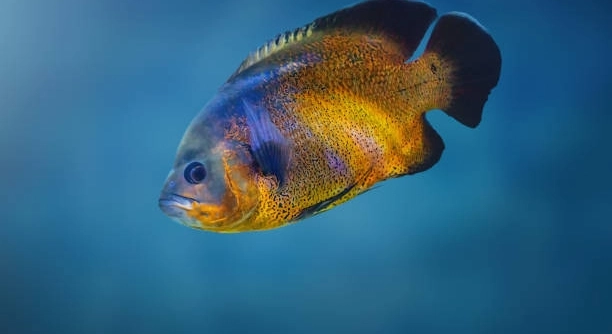
Oscar fish are beautiful and unique creatures, often requiring special care and attention. They can be unpredictable and even aggressive, which makes handling them a delicate task. Proper handling is essential for their well-being.
To handle Oscar fish gently, it’s important to be calm and patient. Avoid sudden movements, as these can stress the fish. Make sure to support their body evenly when moving them to prevent injury and maintain a safe environment.
Gentle handling ensures the safety of both the fish and the person. It helps reduce stress and injury risks. Understanding the specific needs of Oscar fish will make the process smoother and more effective.
Understanding Oscar Fish Behavior
Oscar fish are known for their curious and sometimes unpredictable behavior. They can become aggressive, especially during feeding times or when they feel threatened. It’s essential to understand their mood and body language. When an Oscar fish feels secure, it will usually move calmly and swim freely. However, stress or discomfort can lead to hiding, erratic swimming, or even aggression toward other fish. It’s important to observe your fish and recognize these signs early to avoid unnecessary stress. If you handle them during these moments, it could cause them to become more anxious or even defensive.
When your Oscar fish feels calm, handling it will be much easier. Approach it slowly and let the fish get used to your presence. This reduces their stress and makes it easier to handle them without triggering aggressive behavior.
Always give your Oscar fish time to adjust. Regular interactions and creating a secure environment are key to handling them without fear of provoking them.
Creating a Safe Environment
Oscar fish thrive in a comfortable, stress-free environment. Providing them with plenty of space to swim and hiding spots can make a significant difference in their behavior.
To create this safe space, make sure the tank is large enough, with decorations like rocks, plants, or caves where they can retreat if needed. These hiding spots help them feel secure and reduce anxiety when handled. A tank that’s too small can lead to territorial behavior and aggression, making it more difficult to interact with them. Maintaining a stable environment with proper water conditions—such as temperature, pH, and filtration—also supports their well-being. This creates an ideal setting for gently handling your Oscar fish when needed.
The right environment reduces stress, improves health, and makes handling less of a challenge. Keep the tank clean and free from harmful chemicals, and always monitor the fish’s behavior for any signs of stress. With patience, your Oscar will feel more comfortable being handled and interacting with you.
The Importance of Water Quality
Maintaining clean water is vital for your Oscar fish’s health. Poor water quality can stress the fish and make it harder for them to feel comfortable. Regular water changes and monitoring water parameters, like pH, ammonia, and nitrate levels, will help keep the environment stable.
Oscar fish need high water quality to thrive. Keeping the water clean supports their immune system and reduces the risk of diseases. Filtration is key for ensuring that the water stays clear and safe. Without proper filtration, waste builds up, leading to toxic levels that can harm the fish.
Keeping water at the right temperature, around 75-80°F (24-27°C), also supports their health. If the water is too warm or too cold, it can cause stress or illness. Regularly testing water quality and adjusting the filtration system will keep your fish in good condition, making them more comfortable when you handle them.
Feeding Habits and Handling
Feeding your Oscar fish at regular times can help prevent aggressive behavior, especially when handling them. If they associate you with feeding, it can make them more comfortable with your presence.
Avoid overfeeding as this can lead to obesity and water pollution. Stick to a feeding schedule and offer a balanced diet, which may include pellets, live food, and frozen options. Ensure you feed them enough without overdoing it.
Handling your Oscar fish immediately after feeding can be risky. They may become defensive and might bite. It’s best to wait for a while after feeding before attempting to handle them. Also, avoid feeding them while they are in a highly active or territorial mood, as they might be harder to manage during these times.
Handling Techniques
When handling your Oscar fish, approach it slowly and avoid sudden movements. Sudden actions can startle them and cause stress. Gently scoop the fish with both hands, supporting its body evenly to prevent injury. Never grab or squeeze the fish, as this can harm its delicate fins and body.
You can also use a net, but make sure it’s large enough to avoid tangling. Keep the net steady and move slowly to avoid causing panic. The fish may try to escape, but with gentle handling, you can avoid any harm.
Avoiding Stress Triggers
To avoid stress when handling your Oscar fish, minimize noise and activity around the tank. Fish can easily pick up on loud sounds or sudden movements, which can cause them to become anxious.
Try to keep the tank in a calm and quiet area. Reducing external stress will make the Oscar feel safer and more comfortable when you need to handle it. Keeping interactions peaceful is key to maintaining its overall well-being.
Recognizing Signs of Distress
It’s important to learn the signs of distress in Oscar fish. They may stop eating, swim erratically, or hide more often when stressed.
Pay attention to these changes in behavior and adjust the environment accordingly. Distress can be caused by poor water quality, inappropriate handling, or territorial issues with other fish.
FAQ
How do I know if my Oscar fish is stressed?
Oscar fish can show several signs of stress, including erratic swimming, hiding, loss of appetite, or aggression toward other tank mates. If the water quality is poor, they may appear lethargic or have difficulty breathing. Changes in their normal behavior, like constantly swimming near the surface or bottom, can also be an indication of stress. Keep an eye on any alterations in their usual routine, and make adjustments to the tank setup or their environment to reduce stress.
What is the best way to handle an Oscar fish without stressing it?
The best way to handle an Oscar fish is to approach it slowly and gently. When you need to move them, use both hands to support their body evenly, making sure to avoid squeezing. If you’re using a net, make sure it’s large enough to hold the fish comfortably without tangling. Never grab the fish by its fins or tail. Avoid sudden movements to prevent startling the fish. Calm handling will make the process less stressful for both you and the Oscar.
Can I keep multiple Oscar fish together in one tank?
Oscar fish can be territorial, especially as they grow. It’s generally better to keep them alone in a tank, especially if you want to avoid aggression. However, if you want to keep more than one Oscar, ensure the tank is large enough (at least 75 gallons) and provide plenty of hiding spots to reduce territorial disputes. Introduce them slowly and monitor their behavior carefully. If any aggressive behavior becomes a problem, you may need to separate them.
How often should I clean my Oscar fish tank?
Regular cleaning of the tank is essential to maintain a healthy environment. You should clean the tank about once a week, performing water changes of 20-30%. Remove any uneaten food, debris, and vacuum the substrate to prevent buildup of harmful waste. Regularly check the filtration system to ensure it’s working efficiently. Keeping the tank clean will not only help the Oscar feel safe but will also promote overall health and prevent water quality issues.
What temperature is best for an Oscar fish tank?
Oscar fish prefer water temperatures between 75-80°F (24-27°C). It’s important to keep the temperature stable to prevent stress. Use a reliable aquarium heater to maintain the proper range. Fluctuating temperatures can cause discomfort, lead to illness, or even shorten their lifespan. Invest in a thermometer to monitor the tank’s temperature and adjust the heater if necessary.
How do I prevent aggression in my Oscar fish?
Oscar fish are naturally territorial, and aggression can be a problem, especially during feeding times or when they feel threatened. To reduce aggression, ensure the tank is large enough and has plenty of hiding spaces for the fish to retreat when they feel stressed. Avoid overcrowding, and only keep tank mates that are large enough to not be seen as prey. If aggression persists, you may need to separate the fish to avoid injury.
What should I feed my Oscar fish?
Oscar fish are omnivores and enjoy a varied diet. You can feed them high-quality pellets, live or frozen foods like worms, shrimp, and fish. Occasionally, they can also eat vegetables like peas or spinach. Make sure the food is properly sized for their mouth, and feed them once or twice a day. Avoid overfeeding, as this can lead to obesity and poor water quality. Ensure they are getting a balanced diet to support their health and energy levels.
Can I handle my Oscar fish every day?
It’s best to handle your Oscar fish only when necessary. Frequent handling can stress them out, leading to health problems. Try to minimize handling unless you need to move them for tank maintenance or during a medical situation. If you do handle them, be calm and gentle, and give them time to adjust after any interaction. Less frequent handling will make the fish feel safer and more comfortable in the long run.
Is it normal for my Oscar fish to be aggressive toward other fish?
Yes, Oscar fish can be aggressive toward other fish, particularly if they feel their space is being invaded. They may chase or nip at smaller fish, especially if they are placed in the same tank without enough space or hiding places. Introducing other fish with similar sizes and temperaments can help reduce aggression. Always observe how your Oscar interacts with tank mates and be ready to separate them if fights occur.
Why is my Oscar fish swimming at the top of the tank?
If your Oscar fish is swimming near the top of the tank, it may be an indicator of a water quality issue, like low oxygen levels or poor water circulation. Check the filtration system and make sure it’s working properly. If the tank is crowded, this can also cause the fish to feel stressed. In some cases, Oscars swim at the top during feeding time, anticipating food. However, if this behavior continues without any obvious reason, it’s worth testing the water parameters to ensure everything is in balance.
What size tank do I need for an Oscar fish?
Oscar fish require a large tank as they grow quickly and can reach up to 14-18 inches in length. A minimum of 55 gallons is recommended for a single Oscar fish, but a 75-gallon or larger tank is even better, especially if you plan to keep more than one. A larger tank provides ample space for swimming, reduces territorial behavior, and helps maintain stable water parameters.
How long can an Oscar fish live?
With proper care, an Oscar fish can live for 10-15 years, sometimes even longer. Providing a clean and stable environment, a balanced diet, and minimal stress will contribute to a longer and healthier life. Regular maintenance of their tank and careful handling will help ensure your Oscar fish thrives for many years.
Final Thoughts
Caring for Oscar fish requires attention and patience, but with the right approach, they can thrive in your aquarium for many years. These fish are known for their striking appearance and unique personalities, making them a rewarding pet. However, they can also be demanding due to their size and behavior. By maintaining proper water quality, creating a comfortable environment, and understanding their needs, you can ensure your Oscar fish stays healthy and happy.
One of the most important factors to keep in mind is the water quality. Oscars are sensitive to poor water conditions, so regular water changes and monitoring of pH, ammonia, and nitrate levels are essential. A clean tank not only keeps the fish healthy but also prevents stress and aggressive behavior. Make sure the filtration system is up to the task and provides proper circulation, as stagnant water can harm your fish. Maintaining a stable water temperature between 75-80°F (24-27°C) is also crucial for their well-being.
Handling your Oscar fish requires care and understanding. These fish can become easily stressed by sudden movements or improper handling. When you need to move or interact with them, approach slowly and be gentle. Avoid frequent handling, as it can lead to anxiety and health issues. Instead, create a safe, secure environment in the tank with plenty of space and hiding spots, which will help reduce territorial aggression. With time, your Oscar fish will feel more comfortable in its environment, and handling will become easier and less stressful for both of you.

Hello,
If you enjoy the content that we create, please consider saying a "Thank You!" by leaving a tip.
Every little bit helps us continue crafting quality advice that supports the health, happiness, and well-being of pets around the world, for pets of all shapes, sizes, and species.
We really appreciate the kindness and support that you show us!