
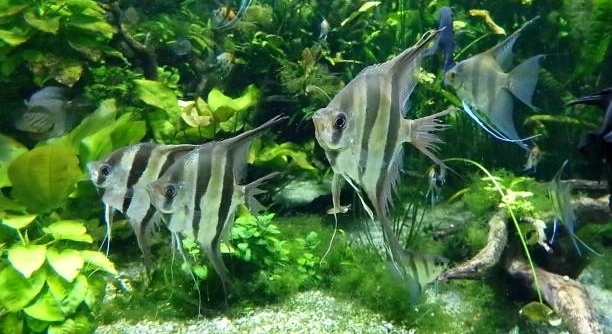
Aggressive behavior in angelfish can be frustrating, especially if you’re trying to maintain a peaceful aquarium. Many aquarium owners face this challenge and wonder how to deal with their angelfish’s aggression effectively.
To handle aggressive angelfish behavior, it’s important to first understand the causes. Aggression often stems from territorial instincts, mating behavior, or stress. Identifying the root cause helps in applying the right solution, whether through tank adjustments, environmental changes, or selective breeding.
Managing angelfish aggression doesn’t need to be complicated. With a few simple adjustments, you can create a peaceful environment for all your aquarium inhabitants.
Understanding Angelfish Aggression
Aggressive angelfish behavior is often linked to several factors. One of the main reasons for their aggression is territoriality. Angelfish are known to guard their space, especially during breeding periods. When they feel their area is being invaded, they may become more aggressive. Another common cause of aggression can be stress. Stress might arise from factors like water conditions, tankmates, or overcrowding. Angelfish, like many fish, need a stable and safe environment to thrive. If they feel threatened or uncomfortable, their natural response can be aggression.
It’s important to address the cause of aggression in a calm and consistent manner. Identifying the source of stress is the first step in resolving this issue.
While territorial behavior is common, other factors such as sudden changes in water quality can exacerbate the aggression. If you notice an angelfish acting aggressively, check the water temperature, pH levels, and ammonia levels. Regular water changes and maintaining the right balance can reduce stress. Similarly, providing enough space in the tank can give angelfish a sense of security. If the aggression continues, adjusting tankmates may also help. Choose peaceful fish species that won’t provoke the angelfish.
Creating the Right Tank Setup
The layout of your tank plays a big role in minimizing angelfish aggression.
Adding plenty of plants, rocks, and hiding spots gives angelfish places to retreat when they feel threatened. These elements also break up sightlines, which can reduce territorial conflicts. Consider a tank with varied decorations, such as driftwood, that angelfish can use for shelter.
Additionally, ensure the tank is large enough. Angelfish need space to swim freely and establish their territories. A cramped tank will only increase aggression as fish fight for space. A 20-gallon tank or larger is ideal for a small group of angelfish. If possible, include visual barriers like plants or decorations that help separate their territory from other fish. By doing so, you create a less stressful environment where fish can coexist more peacefully.
Tankmate Selection
Choosing the right tankmates for your angelfish is key to minimizing aggression.
Angelfish can be territorial, especially during breeding. It’s best to pair them with peaceful species that won’t challenge their dominance. Avoid overly aggressive or overly small fish that might provoke your angelfish or become targets of bullying.
Consider species like tetras, gouramis, and peaceful catfish. These fish are large enough to not be intimidated by angelfish but not so aggressive that they will clash. Also, make sure your tankmates are of similar size, as smaller fish are often seen as easy targets for angelfish aggression. Keep in mind that some fish, such as other cichlids, might also display territorial behaviors. If they are placed in close quarters, this can lead to fights. If aggression remains a problem, introducing more hiding spots or rearranging the tank may help the fish feel more secure.
Breeding Behavior
Angelfish are particularly aggressive during the breeding process.
When angelfish pair off to breed, they can become more territorial. During this time, the male and female will fiercely defend their nesting area from any other fish. If your angelfish show signs of aggression, it’s likely they are protecting eggs or fry. Keeping the tank quiet and reducing disturbances can help minimize aggression.
Providing a separate breeding tank may be the best solution. If you’re unable to separate them, give your breeding pair a space where they feel secure. A designated corner with limited access to other fish is ideal. This allows the pair to focus on their task without feeling threatened. While breeding, their aggressive behavior will subside once they no longer feel the need to guard the eggs or fry, and they will return to their normal behavior.
Water Quality Management
Maintaining proper water quality is crucial to reducing aggression in angelfish.
Poor water conditions can cause stress, which often leads to aggression. Regular water changes, ideally 20% every week, will help keep levels balanced. Keep an eye on ammonia, nitrite, and nitrate levels, as these can directly affect your fish’s behavior.
Make sure the water temperature stays between 76-84°F (24-29°C). Angelfish are tropical fish and need warm water to feel comfortable. Also, check the pH level, keeping it between 6.5 and 7.5. The more stable and clean the water, the less likely your angelfish will become aggressive.
Feeding Habits
Angelfish may become aggressive if food is scarce or if there are too many fish competing for food.
Ensure you feed them enough but not excessively. Overfeeding can lead to water quality issues, which in turn can cause aggression. Aim for feeding two to three times a day, offering a variety of foods such as flakes, pellets, and live or frozen options like brine shrimp.
Size of the Tank
A small tank leads to stress, which can fuel aggressive behavior.
Angelfish need room to swim and establish their own territories. A minimum tank size of 20 gallons is recommended for one or two angelfish. For more, increase the tank size accordingly.
FAQ
What are the main causes of aggressive behavior in angelfish?
Aggression in angelfish is commonly caused by territorial instincts, stress, and breeding behavior. They are territorial fish, especially during mating, and may display aggression to defend their space. Stress from poor water quality, overcrowding, or incompatible tankmates can also make them more aggressive. Lastly, during breeding, both males and females can become highly protective of their eggs, leading to increased aggression.
How can I reduce aggression in my angelfish tank?
To reduce aggression, provide a spacious tank with plenty of hiding spots and decorations. This helps reduce territorial disputes by offering angelfish places to retreat. Ensure your water quality is stable with regular water changes and appropriate temperature and pH levels. Additionally, choose peaceful tankmates and avoid overcrowding, as a cramped space can increase stress. If aggression persists, rearranging the tank decorations can also help by disrupting territorial boundaries.
Can aggressive angelfish live with other fish?
Yes, but it’s important to choose the right tankmates. Peaceful fish that won’t challenge the angelfish’s space or dominance are ideal. Smaller fish, such as tetras or peaceful catfish, generally do well. Avoid adding aggressive species like other cichlids, which could trigger further aggression.
Should I separate aggressive angelfish from the tank?
If your angelfish shows persistent aggression, it may be necessary to separate them. Aggressive angelfish, especially during breeding, can harm other fish. If the aggression is too intense, placing the aggressive angelfish in a quarantine tank can help. This also provides time for you to monitor the fish and adjust the environment before reintroducing them.
How can I tell if my angelfish is stressed?
Stressed angelfish may display changes in behavior, such as hiding, excessive swimming, or loss of appetite. They may also exhibit unusual body language, like clamping their fins or darting around the tank. Stress can be caused by poor water conditions, overcrowding, or incompatible tankmates, so checking the water quality and environment is essential to identifying the cause.
Is it normal for angelfish to fight?
Yes, some fighting between angelfish is natural, especially if they are competing for territory or mates. However, excessive fighting or injury may indicate that the fish feel threatened or that the tank is too small. It’s important to provide ample space and hideouts for the angelfish to minimize aggression and avoid harm.
Can I keep multiple angelfish in the same tank?
Yes, you can keep multiple angelfish, but the tank needs to be large enough to accommodate their territorial nature. A 20-gallon tank or larger is recommended for one or two angelfish. If you plan to have more, ensure the tank is sufficiently spacious and that the fish have areas to establish their own territories. Keep an eye on their behavior, as some pairs may become aggressive toward each other, especially during breeding.
What tank size is best for angelfish?
Angelfish need enough space to thrive and avoid aggression. A 20-gallon tank is the minimum for one or two angelfish. For multiple fish, increase the tank size by 10 gallons for each additional angelfish. A larger tank provides more space for them to establish territories, reduces stress, and helps maintain water quality.
Why do my angelfish fight during breeding?
Breeding angelfish can become highly aggressive, as both males and females protect their eggs or fry. The aggression is part of their natural instinct to protect their offspring. During this time, it’s essential to provide them with a quiet, undisturbed environment to reduce external stressors. If the aggression becomes too intense, it may be beneficial to separate them into a breeding tank.
How can I tell if my angelfish are ready to breed?
When angelfish are ready to breed, they will begin to show interest in each other by swimming close together and cleaning a flat surface, such as a rock or leaf. The female will lay eggs on the chosen surface, and the male will fertilize them. During this time, both the male and female may become more aggressive as they protect their eggs.
Can water changes help with angelfish aggression?
Yes, regular water changes can reduce aggression by improving water quality and reducing stress. Poor water conditions are a common cause of aggression in angelfish. By maintaining clean water with appropriate temperature, pH, and hardness levels, your angelfish will feel more comfortable and less likely to display aggressive behavior.
Should I add plants to my angelfish tank?
Adding live plants to your angelfish tank can help reduce aggression by providing hiding spots and breaking up sightlines between fish. Plants create a more natural environment, allowing angelfish to feel secure in their territory. They can also serve as a buffer between fish, reducing direct confrontations.
How do I handle aggression if I have multiple species in my tank?
If you have multiple species, carefully select peaceful tankmates for your angelfish. Avoid species that are aggressive or too similar in size, as these can trigger territorial disputes. If aggression persists, consider rearranging the tank to disrupt territories and create a more neutral environment. Additionally, ensure that your tank has enough hiding spots for all fish.
Final Thoughts
Angelfish are beautiful and fascinating creatures, but their aggressive behavior can sometimes be a challenge for aquarium owners. Understanding the reasons behind their aggression is key to managing it effectively. Often, territorial instincts, breeding behavior, and stress are the main contributors to aggression in angelfish. By identifying the cause, you can take the right steps to minimize aggression and create a peaceful environment for all your tank inhabitants.
One of the most effective ways to prevent aggression is to ensure that your angelfish have a comfortable and stable environment. Maintaining good water quality, providing ample space, and adding plenty of hiding spots can all help reduce stress and territorial disputes. Choosing the right tankmates is just as important. Peaceful fish that won’t challenge the angelfish’s space or dominance are ideal companions. If aggression persists, separating aggressive individuals and adjusting their environment can also help.
Remember, angelfish behavior is often a reflection of their environment. By providing the right tank setup, managing water quality, and choosing the right tankmates, you can help keep aggression at bay. With a bit of care and attention, you can enjoy a thriving, peaceful aquarium with your angelfish and their companions.

Hello,
If you enjoy the content that we create, please consider saying a "Thank You!" by leaving a tip.
Every little bit helps us continue crafting quality advice that supports the health, happiness, and well-being of pets around the world, for pets of all shapes, sizes, and species.
We really appreciate the kindness and support that you show us!