
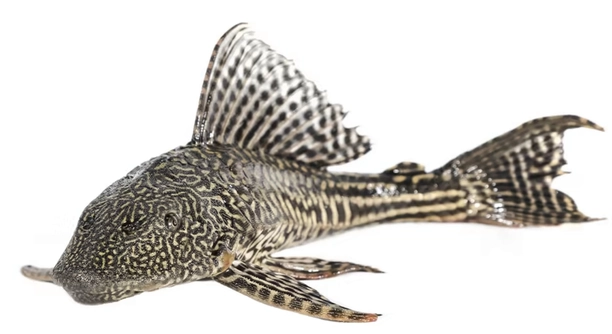
Handling a large adult plecostomus can be challenging for aquarium owners. These fish require specific care to ensure they thrive in your tank. Understanding their needs and behaviors will make your experience with them much easier and more rewarding.
The key to handling a large adult plecostomus is providing a spacious tank, stable water parameters, and a varied diet. Regular maintenance and monitoring are essential, as plecos are sensitive to water quality changes and can grow quite large over time.
With proper care, your plecostomus can live a long and healthy life. Keep reading for tips on how to manage their care effectively.
Tank Size and Space Requirements
A large adult plecostomus requires a substantial amount of space to thrive. For a healthy environment, provide at least a 75-gallon tank. These fish can grow up to 24 inches, so a cramped space can cause stress and health problems. Ensure the tank has enough horizontal space for swimming and vertical space for hiding.
It’s important to have areas where your plecostomus can seek refuge, such as caves or driftwood. These provide a sense of security. If they feel stressed or unsafe, they can become more aggressive or even less active.
Maintaining a proper tank size is not just about fitting the fish in; it’s about promoting their overall well-being. Overcrowding can lead to poor water quality, which affects their health. As plecos grow, the tank should be reevaluated to ensure it’s still suitable for their size. Proper space helps prevent these issues and supports a long, healthy life.
Water Quality and Maintenance
Water quality is crucial for the health of your plecostomus. Keep the tank water clean by performing regular water changes.
Plecos produce waste, and this can quickly affect water quality if not maintained properly. Invest in a good filtration system to help manage waste and keep the water clear. Regular water changes help to remove toxins and maintain the correct pH and hardness levels. Aim for at least a 25% water change every two weeks, or more often if needed.
Along with filtration, monitor the water temperature regularly. Plecos prefer stable conditions between 74-80°F. Sudden changes can cause stress, leading to potential health problems. Test the water regularly for ammonia, nitrites, and nitrates. Healthy water is essential for the plecostomus to thrive.
Diet and Feeding
Plecostomus are omnivores, so they require a balanced diet of plant matter and protein. Offer a variety of foods, including algae wafers, blanched vegetables, and occasional protein like shrimp or earthworms. These will help meet their nutritional needs.
It’s essential to feed your plecostomus after the lights go out since they are nocturnal. Ensure you give them enough food to graze on throughout the night, but don’t overfeed. Excess food will lead to water quality issues. Make sure the food is accessible to them at all levels of the tank.
Feeding can be tricky, especially as they grow larger and their appetite increases. Regularly monitor how much they are consuming and adjust the quantity accordingly. An underfed pleco can become malnourished, while overfeeding can lead to water problems. Consistency and variety in their diet will keep them healthy and active.
Hiding Places and Tank Decorations
Plecos enjoy hiding, especially during the day. To create a comfortable environment, provide caves, rocks, and driftwood for them to explore. These items mimic their natural habitat and give them a sense of security.
Adding plants and decorations also helps with water filtration. As your plecostomus feeds on algae and other debris, they will help maintain a cleaner tank. Decor such as driftwood is essential not only for hiding but also for helping them wear down their teeth. Plecos naturally gnaw on wood, which prevents their teeth from growing too long.
It’s important to create hiding spaces in multiple areas of the tank, especially as your pleco gets larger. As they become more confident in their environment, they may venture out more often. However, they will still need safe spaces to retreat to when they feel threatened or stressed. A well-decorated tank provides both practical benefits and a more natural environment.
Tank Mates and Compatibility
Plecostomus are generally peaceful, but they can be territorial, especially as they grow larger. It’s important to choose tank mates that won’t provoke them. Avoid keeping them with aggressive or overly active fish that might stress them out.
Ideal companions for plecos are other peaceful species like tetras, guppies, or peaceful cichlids. These fish will not compete with them for hiding spaces or food. Larger community fish are also a good choice, as long as they are not overly territorial. Always monitor interactions, especially in the early days, to ensure everyone is getting along.
Even though plecos are often calm, some can become defensive over their favorite hiding spots. It’s helpful to provide enough space and hiding areas for all the fish. This reduces the chance of conflicts and helps everyone settle into their environment more comfortably.
Water Temperature
Plecos thrive in stable water temperatures, ideally between 74-80°F. It’s crucial to avoid fluctuations, as rapid temperature changes can cause stress.
A reliable heater is necessary to maintain a constant temperature in the tank. Using an aquarium thermometer will help ensure that the water stays within the appropriate range. Plecos are sensitive to extremes and can become ill if conditions aren’t stable.
Regular Monitoring
Keep an eye on your plecostomus’ health and behavior. Look for any signs of stress, like decreased activity or loss of appetite.
Monitor their size as well. Larger plecos may need more space and resources to stay healthy. Make sure their environment continues to meet their needs as they grow, ensuring a longer, more comfortable life.
FAQ
What size tank does a large adult plecostomus need?
A large adult plecostomus requires at least a 75-gallon tank. These fish can grow quite large, up to 24 inches, and need ample space to swim. A tank of this size will also help maintain water quality, which is crucial for their health. As they grow, ensure the tank has enough horizontal and vertical space to accommodate their size comfortably.
Can plecostomus live with other fish?
Yes, plecostomus can live with other fish, but it’s important to choose compatible tank mates. Peaceful community fish like tetras or guppies work well. Avoid aggressive or overly active species that may stress them out. Plecos can be territorial, so providing plenty of hiding spaces is essential to prevent conflicts.
How often should I feed my plecostomus?
Feed your plecostomus once or twice a day. Offer a variety of foods such as algae wafers, blanched vegetables, and occasional protein like shrimp or earthworms. Since plecos are nocturnal, it’s best to feed them after the lights go out. Monitor their food intake to avoid overfeeding, as excess food can degrade water quality.
What is the best diet for a plecostomus?
A plecostomus requires a varied diet that includes both plant matter and protein. Algae wafers are a staple, as they mimic natural algae consumption. Blanched vegetables like zucchini, spinach, and cucumbers should also be offered. Occasionally provide protein-rich foods such as shrimp, bloodworms, or earthworms to supplement their diet. A balanced diet helps ensure they stay healthy and active.
How can I tell if my plecostomus is stressed?
Signs of stress in a plecostomus include reduced activity, loss of appetite, and hiding more than usual. If you notice these behaviors, it could be due to poor water quality, overcrowding, or incompatible tank mates. Check the water parameters and ensure the tank provides enough hiding spots and space for the pleco.
What water temperature is best for a plecostomus?
Plecostomus prefer water temperatures between 74-80°F. Stability is key, as rapid temperature fluctuations can cause stress. Use a reliable aquarium heater and thermometer to maintain a consistent temperature. Make sure the tank is kept within this range, as temperatures outside of it can lead to illness or discomfort for the pleco.
Do plecostomus need special water conditions?
Plecos thrive in water that is clean and well-filtered. They prefer slightly acidic to neutral pH, around 6.5-7.5, and soft to moderately hard water. Regular water changes are necessary to maintain good water quality. Ammonia and nitrite levels should be at zero, while nitrate levels should stay below 20 ppm. Keeping these conditions stable will help ensure your pleco stays healthy.
How big do plecostomus get?
Plecostomus can grow quite large, with some species reaching up to 24 inches in length. As they grow, their space requirements increase. Regularly assess the tank size to ensure it’s still suitable for their size. Proper space and water quality are essential for keeping plecos healthy as they mature.
How long do plecostomus live?
With proper care, plecostomus can live for 10 to 15 years. Their lifespan is largely influenced by water quality, diet, and tank conditions. Keeping the tank clean, feeding them a balanced diet, and providing them with adequate space will help ensure they live a long and healthy life.
Can plecostomus live in cold water?
Plecostomus are tropical fish and require warm water to thrive. They cannot live in cold water and may become ill if exposed to temperatures below 70°F for extended periods. A consistent water temperature of 74-80°F is necessary for their health and well-being. If your tank is in a colder environment, make sure to use an aquarium heater to maintain the proper temperature.
How often should I clean the tank for my plecostomus?
Regular tank cleaning is essential to maintain water quality. Perform a 25-30% water change every two weeks, or more often if the tank is heavily stocked. Use a gravel vacuum to remove debris from the substrate. Make sure to clean the filter regularly to ensure it’s functioning properly. Maintaining clean water will help keep your plecostomus healthy.
Do plecostomus eat algae?
Yes, plecostomus are natural algae eaters. They help control algae growth in the tank by scraping it off surfaces like rocks, glass, and decorations. However, they should not be relied upon as the sole source of algae control. Supplement their diet with algae wafers and vegetables to ensure they receive a balanced nutrition.
How can I tell if my plecostomus is sick?
Signs of illness in plecostomus include changes in swimming behavior, loss of appetite, or visible external signs like white spots, discoloration, or lesions. If your pleco becomes lethargic, has difficulty swimming, or shows signs of infection, check the water quality and isolate the fish if necessary. If symptoms persist, consult a veterinarian with experience in fish care.
What kind of filtration system is best for plecostomus?
A strong filtration system is crucial for plecostomus, as they produce a lot of waste. Canister filters or powerful hang-on-back filters work well for larger tanks. Ensure the filter provides adequate flow without being too strong, as plecos prefer slower-moving water. Regularly clean the filter to keep it running efficiently.
Can I keep a plecostomus in a smaller tank?
While it’s possible to keep a plecostomus in a smaller tank when they are young, it’s not recommended for long-term care. As they grow, they need more space to swim and thrive. A 75-gallon tank is the minimum size for an adult plecostomus, and anything smaller can lead to stress, poor water quality, and stunted growth.
Final Thoughts
Caring for a large adult plecostomus can be a rewarding experience, but it requires commitment. These fish are hardy and can live for many years if provided with the right environment. However, they do need specific care to stay healthy. Ensuring they have enough space, proper water conditions, and a balanced diet will help them thrive.
It’s also important to remember that plecos can grow very large, sometimes up to 24 inches. This means they will need a spacious tank and the right tank mates. You should also monitor their behavior regularly. If they seem stressed or sick, it could be a sign that their living conditions need adjustment. Ensuring good water quality and appropriate temperature will reduce many of the problems that can arise.
In conclusion, with proper care, a plecostomus can live a long, healthy life. Providing them with the right diet, tank mates, and environment is key to maintaining their well-being. While they do require attention and space, they are relatively easy to care for once you understand their needs. Whether you’re new to keeping plecos or have had them for a while, ensuring their tank is suitable will lead to a happy and healthy fish.

Hello,
If you enjoy the content that we create, please consider saying a "Thank You!" by leaving a tip.
Every little bit helps us continue crafting quality advice that supports the health, happiness, and well-being of pets around the world, for pets of all shapes, sizes, and species.
We really appreciate the kindness and support that you show us!