
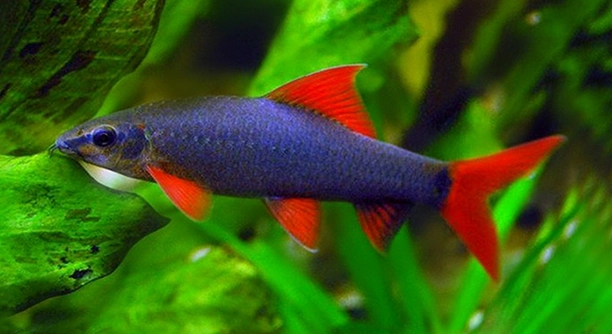
Many aquarium enthusiasts enjoy keeping rainbow sharks because of their striking colors and active behavior. Breeding these fish can be challenging, but it is possible with the right care and environment. Knowing how to support their natural instincts is key to success.
Successfully breeding rainbow sharks requires creating ideal water conditions, providing a balanced diet, and offering sufficient space with hiding spots. Maintaining stable parameters and recognizing breeding behavior also play important roles in encouraging spawning.
Understanding these basics will help you create the best environment for your rainbow sharks to thrive and reproduce naturally.
Creating the Right Environment for Breeding
Rainbow sharks need specific conditions to feel comfortable enough to breed. The tank should be at least 30 gallons, with plenty of swimming space. Use fine gravel or sand for the bottom, as this helps mimic their natural habitat. Water temperature should be steady between 75°F and 80°F, with a pH around 6.5 to 7.0. Gentle water flow is ideal because strong currents can stress the fish. Adding live plants and hiding spots helps reduce aggression and gives the fish places to retreat. Regular water changes are important to keep the water clean and free from harmful substances. Maintaining stable water conditions is essential because sudden changes can prevent breeding. Observing the fish for signs of pairing or territorial behavior can guide when to separate or introduce fish. Attention to these details makes the breeding process smoother and increases the chance of success.
Keeping a calm and consistent environment is key to encouraging rainbow sharks to breed naturally in your tank.
Proper tank setup, stable water conditions, and thoughtful decoration support healthy behavior in rainbow sharks. It is important to avoid overcrowding because these fish can become territorial, which might cause stress or injury. Separate aggressive individuals if necessary. Monitoring water quality closely and maintaining ideal parameters encourages spawning readiness. Using a dim light or providing shaded areas can also help simulate their preferred conditions. When the environment closely resembles their natural habitat, rainbow sharks feel safer, which is important for breeding. The more comfortable and secure they are, the more likely they will display breeding behaviors, such as chasing and nest preparation. Patience and careful observation throughout this process will guide when it is time to move forward with breeding efforts.
Feeding and Nutrition for Breeding Success
A balanced diet helps rainbow sharks build strength for breeding. Feeding high-quality pellets, live foods, and vegetables supports their health.
Nutrition directly affects fertility and egg production in rainbow sharks. Feeding a varied diet rich in protein, such as bloodworms and brine shrimp, encourages spawning behavior. Include some plant matter like blanched spinach or zucchini to balance their diet and improve coloration. Avoid overfeeding, as excess food can pollute the tank and stress the fish. Feeding small amounts two to three times daily ensures they get enough energy without degrading water quality. Healthy fish with good nutrition are more likely to breed and produce viable offspring. Also, offering food at regular times helps establish a routine that reduces stress. A well-fed rainbow shark is better prepared physically and mentally to reproduce, making diet an essential factor in breeding success.
Recognizing Breeding Behavior
Rainbow sharks show clear signs when they are ready to breed. Males become more territorial and may chase females. You might notice increased activity and color intensity.
During breeding, males often guard specific areas and display more vibrant colors to attract females. They may dig small pits in the substrate to prepare nesting spots. Females usually respond by swimming near these areas, sometimes flicking their fins. This behavior signals the start of spawning, so it’s important to watch closely. Separating overly aggressive males can prevent injury to females and improve breeding chances. Observing these patterns allows you to intervene at the right time and create a safe space for eggs.
Once spawning begins, the male usually guards the eggs, keeping them safe from other fish. Providing plenty of hiding places helps protect both the parents and the eggs during this period.
Setting Up a Separate Breeding Tank
A separate breeding tank increases the chances of successful spawning by reducing stress and aggression.
Use a smaller tank around 20 gallons with gentle filtration and low water flow. Soft substrate and plants provide places for eggs to attach and for fish to hide. Maintain water temperature and pH as in the main tank. Before moving the fish, acclimate them slowly to avoid shock. Place the breeding pair inside and monitor behavior closely. Remove any fish that show excessive aggression. Clean water and minimal disturbances help eggs develop properly. After spawning, remove adults to prevent egg predation. This tank setup makes it easier to control conditions and improve breeding outcomes.
Caring for the Eggs
Rainbow shark eggs are small and sticky, attaching to plants or tank surfaces. They need clean water and gentle filtration to stay healthy.
Remove any fungus or dead eggs to prevent spread. Regular water changes and careful monitoring improve hatching success.
Monitoring the Fry
Once the eggs hatch, the fry are very small and fragile. They need soft food like infusoria or powdered fry food.
Feeding tiny amounts frequently supports growth. Keep the tank clean but avoid strong currents that can harm the fry.
Preventing Aggression
Aggression is common during breeding, especially from males defending territory. Separate aggressive fish when needed.
Providing enough space and hiding spots reduces conflicts and keeps fish calmer.
Water Quality Maintenance
Maintaining high water quality is critical for breeding success. Regular testing and partial water changes keep conditions stable.
FAQ
How long does it take for rainbow shark eggs to hatch?
Rainbow shark eggs usually hatch within 3 to 5 days after spawning, depending on water temperature. Warmer water speeds up development, but keep the temperature steady to avoid stress. After hatching, the fry remain very small and vulnerable for several weeks, requiring careful feeding and tank maintenance.
What should I feed baby rainbow sharks?
Baby rainbow sharks, or fry, need very small food like infusoria or specially prepared powdered fry food during their first week. As they grow, you can introduce finely crushed flakes or baby brine shrimp. Feeding small amounts several times a day helps them grow steadily without fouling the water.
Can I keep adult rainbow sharks with their fry?
It is not recommended to keep adult rainbow sharks with their fry. Adults may see the fry as food or compete aggressively for territory. After spawning, it’s best to move the adults back to the main tank and keep the fry in a separate nursery tank until they are big enough to avoid predation.
How often should I change water during breeding?
During breeding and fry rearing, frequent water changes are important to maintain clean water and reduce toxins. Changing about 20-30% of the water twice a week helps keep parameters stable. Make sure to treat new water to remove chlorine and match temperature to avoid shocking the fish.
What are common problems that prevent rainbow sharks from breeding?
Common issues include poor water quality, overcrowding, and lack of proper hiding spots. Stress from aggressive tankmates or sudden changes in temperature and pH can also stop breeding behavior. Ensuring stable conditions and enough space with places to hide helps encourage natural spawning.
How can I tell if my rainbow shark is male or female?
Sexing rainbow sharks can be tricky because they look very similar. Males tend to be slightly slimmer and show more intense coloration, especially during breeding. Observing behavior, like increased chasing or territorial displays, can also help identify males during the breeding period.
Do rainbow sharks need specific lighting to breed?
Rainbow sharks do best with moderate lighting that mimics their natural environment. Too bright or harsh lighting can cause stress and hide their breeding behavior. Including shaded areas or floating plants helps create a comfortable setting that encourages spawning.
Is it necessary to use a breeder box or separate tank?
Using a separate breeding tank or breeder box increases success by reducing stress and protecting eggs from adults. It also allows for better control of water conditions. While some breeders manage in the main tank, separating fish is generally safer for eggs and fry survival.
How long do rainbow sharks live?
Rainbow sharks typically live between 5 and 8 years in captivity with proper care. Providing a healthy diet, clean water, and good tank conditions helps them reach their full lifespan.
Can rainbow sharks breed multiple times a year?
Yes, under ideal conditions, rainbow sharks can breed multiple times a year. Providing consistent water quality, good nutrition, and a peaceful environment encourages frequent spawning cycles.
What signs indicate successful breeding?
Signs include males chasing females, nest digging behavior, and visible clusters of eggs attached to surfaces. After spawning, males often guard the eggs aggressively. Monitoring these behaviors helps confirm breeding activity and guides the next steps in care.
How do I prevent fungus on eggs?
Fungus can develop if eggs are not kept clean. Removing dead or unfertilized eggs promptly helps prevent spread. Adding antifungal treatments designed for aquarium use can also protect eggs, but always follow product instructions carefully.
What is the best way to acclimate fish to a breeding tank?
Slow acclimation prevents stress and shock. Float the fish bag in the breeding tank for 15-20 minutes, then gradually add small amounts of tank water to the bag over 30-60 minutes before releasing the fish. This helps them adjust to new water conditions smoothly.
Can rainbow sharks breed in community tanks?
While possible, breeding in community tanks is more difficult due to competition and stress from other fish. Aggression may increase, and eggs or fry are at risk from other tankmates. A dedicated breeding tank is usually more effective.
How important is hiding space during breeding?
Hiding spaces reduce stress and aggression, which improves breeding chances. Both adults and fry benefit from plants, caves, or decorations that provide shelter. These areas help fish feel secure and can mimic natural breeding habitats.
Breeding rainbow sharks can be a rewarding experience when you provide the right care and environment. These fish need steady water conditions, proper nutrition, and enough space to feel comfortable. Paying attention to their behavior helps you know when they are ready to breed. Setting up a separate breeding tank with gentle filtration and plenty of hiding spots also improves the chances of success. By keeping their environment stable and clean, you support their natural instincts and make breeding easier.
It is important to be patient and observant throughout the process. Rainbow sharks can be territorial and sometimes aggressive, so managing their interactions carefully prevents injury and stress. Watching for signs like males chasing females or digging nests guides when to act. Once eggs are laid, protecting them from fungus and predators is key. Regular water changes and gentle care help the eggs develop into healthy fry. Feeding the fry small, frequent meals supports their growth during this delicate stage.
Overall, successful breeding depends on creating the best possible conditions and understanding the needs of rainbow sharks. Consistency with water quality, diet, and tank setup matters most. It may take time, but with steady care and attention, you can raise healthy baby rainbow sharks. Following these guidelines helps ensure the well-being of both adults and fry, making the effort worthwhile for anyone interested in breeding these colorful fish.

Hello,
If you enjoy the content that we create, please consider saying a "Thank You!" by leaving a tip.
Every little bit helps us continue crafting quality advice that supports the health, happiness, and well-being of pets around the world, for pets of all shapes, sizes, and species.
We really appreciate the kindness and support that you show us!