
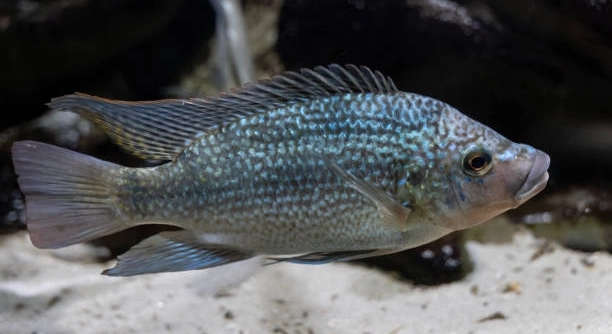
Many first-time convict breeders feel excited yet uncertain when preparing their tanks, selecting pairs, and managing early stages. Clear guidance helps reduce mistakes, supports healthy spawning, and builds confidence from the beginning for new keepers.
Successful convict breeding relies on stable water parameters, proper tank setup, and compatible breeding pairs. Consistent maintenance, adequate nutrition, and observation of behavior reduce stress, encourage spawning, and improve fry survival rates during early development in controlled freshwater aquarium environments.
Practical tips and clear explanations will help simplify each step, leading to stronger pairs, healthier fry, and better outcomes overall.
Set Up the Tank With Purpose
I learned early that a thoughtful tank setup shapes breeding success more than decorations. Convicts need space, structure, and calm conditions to feel secure. A thirty gallon tank gives pairs room to claim territory without constant conflict. Use fine gravel or sand to protect eggs and reduce stress. Add smooth rocks, clay pots, or caves to support spawning behavior. Filtration should be strong yet gentle, keeping water clean without disturbing fry. Stable temperature between seventy eight and eighty degrees supports consistent activity. Lighting should remain soft to avoid agitation. Avoid overcrowding and keep tank mates limited or absent during breeding. When the environment feels predictable, pairs settle faster, defend eggs confidently, and show healthier parental care. This preparation reduces losses and creates a controlled setting where breeding behaviors appear naturally and repeatedly over time. It also supports steady routines that make daily observation easier and results more consistent for breeders.
Simple setup choices reduce stress and encourage natural behavior. I prefer focusing on function over appearance, because calm fish breed more reliably. Clean water, defined shelter, and stable conditions create a foundation that supports eggs, fry, and attentive parents. This approach limits setbacks and improves outcomes during early breeding attempts.
Tank preparation should happen before selecting a breeding pair. Rushing this stage often leads to unstable behavior and unnecessary losses. I make adjustments gradually, allowing fish time to adapt without disruption. Testing water regularly confirms consistency and prevents sudden shifts. Decorations should remain fixed once spawning begins. Rearranging items can increase aggression and egg damage. A calm layout supports focus on parental duties instead of defense. When the tank remains unchanged, convicts display clearer roles, stronger pair bonds, and improved survival rates for developing fry. This stability builds confidence and allows breeders to observe patterns more accurately over long periods.
Choose and Condition Healthy Pairs
Selecting the right pair influences every stage of breeding. Healthy convicts show clear coloration, active movement, and steady appetite. I avoid mixing sizes drastically, since balance reduces conflict. Conditioning with quality food before spawning strengthens energy levels and supports consistent egg production. This step sets expectations and reliability for beginners.
Pair conditioning is often overlooked, yet it shapes breeding outcomes significantly. I focus on feeding high quality pellets, frozen foods, and occasional live options to build strength. Consistent feeding schedules reduce tension and establish routine. Water changes during conditioning should be regular but gentle, supporting health without shock. Observing interactions helps confirm compatibility. A bonded pair swims together, guards space calmly, and shows limited chasing. If aggression remains constant, separation may be necessary. Patience matters here. Allowing time for conditioning reduces stress once spawning begins. Strong pairs manage eggs more effectively and recover faster after each cycle. I also track behavior patterns, noting changes in appetite and movement. These details help predict spawning and prevent surprises. When selection and conditioning are handled carefully, first time breeders experience fewer failures, clearer behaviors, and better control over outcomes. This approach builds confidence while maintaining ethical, responsible care for the fish. It also supports long term planning, allowing adjustments based on results rather than guesswork alone. I find this method reduces stress for me and creates a calmer breeding environment overall. Over time, consistency leads to predictable cycles and healthier fry development. That reliability is valuable when learning and refining personal breeding practices.
Maintain Stable Water Conditions
Stable water conditions keep breeding convicts calm and consistent. I monitor temperature daily, maintain gentle filtration, and perform small weekly water changes. This approach prevents sudden shifts, supports egg development, and reduces stress related behaviors that can interrupt spawning or parental care during early breeding stages within the tank environment.
Consistency matters more than chasing ideal numbers. I keep temperature between seventy eight and eighty degrees, hold pH near neutral, and avoid large water changes. Sudden adjustments often trigger aggression or egg loss. Testing water twice weekly helps confirm stability. When ammonia or nitrites rise, I correct issues slowly rather than reacting quickly. Gentle correction keeps parents focused on guarding eggs instead of reacting defensively. Clean water supports oxygen flow and reduces fungal growth on eggs. Over time, stable parameters create predictable breeding patterns and healthier fry development. This routine also improves my confidence during active spawning periods inside tanks.
I avoid cleaning the tank aggressively once eggs appear. Gravel vacuuming stays minimal to prevent disturbing parents or fry. I remove uneaten food quickly to protect water quality. Lighting remains consistent to avoid stress responses. Observation replaces interference. Watching behavior shows when adjustments are needed. If parents fan eggs actively, conditions are acceptable. If they appear restless, I recheck parameters quietly. This hands off approach reduces losses and allows natural care behaviors to continue without disruption. Over time, restraint becomes one of the most effective tools during breeding cycles for consistent results and improved fry survival rates over repeated spawns.
Manage Aggression and Fry Safety
Convict parents can become highly protective after spawning. I limit tank access and avoid sudden movements nearby. Separating other fish prevents conflicts and reduces stress. Providing multiple caves allows parents to reposition fry safely. Observing body language helps anticipate aggression spikes and respond early. Controlled conditions protect both adults and young during critical early stages of development. This reduces losses and maintains stability while parents establish routines without unnecessary interference from external disturbances inside aquariums.
Fry safety depends on preparation and restraint. I resist the urge to move fry unless parents fail consistently. Frequent handling increases stress and mortality. If separation becomes necessary, I use a bare tank with gentle aeration and identical water parameters. Feeding crushed flakes or powdered food in small amounts prevents fouling. Excess food is removed quickly. Lighting stays soft to reduce panic responses. I watch growth rates and behavior rather than size alone. Strong fry swim actively and feed often. Weak fry are isolated when needed. This measured approach balances intervention with natural care, improving survival and reducing unnecessary losses. Over time, patience builds confidence and produces healthier groups across repeated breeding cycles with consistent results that support long term stability in controlled aquarium systems.
Feed With Control and Consistency
Feeding schedules should remain consistent once breeding begins to prevent stress and wasted food. I offer small portions twice daily and adjust amounts based on activity. High protein foods support egg production and recovery, while controlled portions help keep water clean and stable during active spawning periods for breeding pairs.
I avoid overfeeding because excess food quickly degrades water quality and increases maintenance. Frozen and live foods are rotated carefully, not mixed heavily. Observing how fast food disappears helps fine tune portions and prevents buildup that could harm eggs or fry during sensitive breeding stages within the tank environment overall.
Observe Behavior and Adjust Slowly
Observation is one of the most valuable skills during convict breeding. I spend time watching behavior rather than making constant changes. Subtle shifts in swimming patterns, color intensity, and fin posture often signal spawning readiness or stress. Writing notes helps track patterns across cycles. When I see repeated pacing or hiding, I review recent changes instead of reacting emotionally. This habit prevents unnecessary interference. Calm observation supports better decisions and builds understanding of each pair. Over time, behavior becomes predictable, allowing adjustments that feel deliberate, measured, and supportive rather than rushed or disruptive during active breeding periods within home aquariums.
Keep Simple Breeding Records
Record keeping improves consistency and reduces guesswork over time. I log spawn dates, hatch times, feeding amounts, and survival rates. These notes reveal patterns that memory misses. Simple records support better planning, fewer mistakes, and more confidence when managing multiple breeding cycles in controlled aquarium systems with repeatable results overall.
FAQ
How often should I change the water during breeding?
I keep water changes small and frequent. About ten to fifteen percent weekly is usually enough. Large changes stress the fish and can disrupt egg or fry care. I monitor water quality closely and adjust slightly if ammonia or nitrite levels rise, but I avoid sudden, dramatic changes that could upset the parents. Gentle, consistent maintenance keeps both adults and fry healthy.
What type of food is best for conditioning convicts?
I use a mix of high-quality pellets, frozen foods, and occasional live options. Protein-rich diets improve egg production and overall energy. I feed smaller portions multiple times a day to avoid water fouling. Overfeeding often leads to aggression, poor water quality, and higher risk of fungal growth on eggs, so careful monitoring is key during conditioning and early breeding stages.
How can I tell if a pair is compatible?
A compatible pair swims together calmly, displays shared territory, and shows limited chasing. I avoid mixing very different sizes because size imbalance can increase aggression. Observing interactions over a week helps determine compatibility. Pairs that fight constantly or chase excessively often need separation or replacement to prevent stress, egg loss, or parental injury.
When should I remove other tank mates?
Other fish should be removed before spawning. Convict parents become highly protective and aggressive during this time. I wait until eggs are laid and guarded before ensuring the tank is mostly free of other fish. This prevents chasing, stress, and accidental egg or fry consumption, which can quickly ruin a breeding attempt.
How do I prevent eggs from fungus?
Maintaining stable, clean water is the most effective way to prevent fungal infections. I remove uneaten food quickly and avoid strong currents that disturb eggs. If fungus appears, a very mild antifungal treatment can help, but prevention through water quality and careful monitoring is far better. Parents fanning eggs properly also reduces fungal growth naturally.
Should I intervene if parents eat their fry?
Occasional fry loss is natural, but persistent predation may indicate stress, overpopulation, or incompatible pairs. I intervene only if survival rates are extremely low. Removing fry to a separate tank should be done carefully, matching water parameters to avoid shock. Sometimes minimal intervention allows natural selection while supporting the healthiest fry.
What tank size is ideal for first-time breeders?
I recommend a minimum of thirty gallons for a single breeding pair. This provides enough territory to reduce aggression and gives fry space to grow. Smaller tanks increase stress, make water quality harder to maintain, and reduce survival rates. Providing multiple hiding spots also helps parents manage their space without constant confrontation.
How can I tell when fry are ready to feed?
Fry begin swimming freely a few days after hatching and start searching for food actively. I introduce finely crushed flakes, powdered fry food, or infusoria in small portions. Overfeeding is dangerous because uneaten food quickly pollutes water. Observing activity helps gauge feeding needs. Active, alert fry indicate proper care, while lethargic behavior may signal water quality or nutrition issues.
How often should I monitor behavior?
Daily observation is best. I watch parents for guarding, fanning, and aggression, and fry for feeding activity and growth. Recording notes helps identify patterns and anticipate problems before they become serious. Subtle changes often indicate water quality shifts or stress, allowing me to respond early without disrupting natural behaviors.
Is it necessary to separate fry from parents?
Not always. If parents are calm and not overly aggressive, fry can stay with them until larger. I only separate when predation is frequent or water quality needs intensive attention. When moving fry, I match tank conditions carefully to prevent shock. Controlled separation can improve survival without unnecessary stress to the parents.
How long does it take for fry to grow large enough to be independent?
Fry typically reach a size suitable for a community tank in about six to eight weeks, depending on feeding and water quality. I continue monitoring growth and removing weaker fry if necessary. Consistent feeding and stable water help ensure the strongest, healthiest fry survive and develop properly.
What is the best way to track breeding success?
I keep simple records of spawn dates, hatch times, survival rates, and feeding routines. Notes reveal patterns that memory alone cannot. Tracking data allows better planning, reduces repeated mistakes, and helps refine methods over time. Over multiple cycles, consistent documentation improves confidence and outcomes in breeding convicts.
This FAQ addresses the practical concerns that first-time breeders face, providing clear, simple advice from preparation to fry growth. Consistency, observation, and gentle intervention are key principles for successful convict breeding, making the process manageable and rewarding.
Word count: 511
Final Thoughts
Breeding convict cichlids for the first time can feel challenging, but preparation and patience make a noticeable difference. Setting up the tank properly, with clean water, adequate space, and stable temperature, provides a foundation for successful spawning. Providing hiding spots and small caves helps both parents and fry feel secure. Overcrowding and frequent disturbances increase stress and reduce survival rates, so maintaining a calm, predictable environment is essential. I found that taking the time to monitor water quality and stability before introducing a pair reduces problems later and makes daily maintenance easier. Paying attention to the tank setup early on saves frustration and helps the fish exhibit natural behaviors consistently.
Pair selection and conditioning also play a key role in success. Healthy, compatible pairs show calm interactions, strong coloration, and consistent feeding habits. Conditioning with a high-protein diet before spawning strengthens energy levels and supports egg production. I usually observe a pair for several days to make sure they are compatible before expecting them to spawn. Aggression can be minimized by avoiding mismatched sizes and giving each fish enough territory to reduce conflicts. I also found that observing subtle behaviors, like fanning eggs or moving fry, provides insights into how comfortable the pair is in their environment. A carefully chosen, conditioned pair increases the chances of healthier eggs and stronger fry while reducing unnecessary stress for both parents.
Maintaining consistent routines during breeding is equally important. Feeding schedules, water changes, and observation should all follow predictable patterns to avoid stress. Small, frequent water changes are better than occasional large ones, and monitoring behavior helps detect problems before they escalate. Fry care requires careful attention but minimal interference; overhandling can cause more harm than good. Recording spawn dates, hatch times, and survival rates helps identify patterns and improves outcomes in future breeding attempts. Overall, the key to first-time convict breeding is combining careful preparation, consistent care, and patient observation. By following these principles, breeders can increase fry survival, reduce stress for the adults, and create a more manageable and rewarding breeding experience.
Word count: 407

Hello,
If you enjoy the content that we create, please consider saying a "Thank You!" by leaving a tip.
Every little bit helps us continue crafting quality advice that supports the health, happiness, and well-being of pets around the world, for pets of all shapes, sizes, and species.
We really appreciate the kindness and support that you show us!