
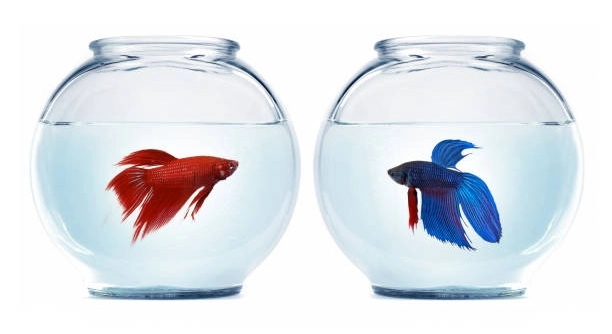
Feeding your betta fish the right food is essential to keeping them healthy and vibrant. A balanced diet plays a crucial role in their growth, energy, and overall well-being.
A balanced diet for your betta should include a mix of high-quality pellets, live or frozen food, and occasional plant matter. Ensuring a variety of protein-rich foods will keep your fish strong and vibrant while supporting its natural behavior.
By understanding these tips, you’ll be able to keep your betta fish healthy and happy. Learn how to make the right food choices to boost your fish’s well-being and ensure they live a long life.
1. Providing a Balanced Diet with Quality Pellets
A high-quality pellet is the foundation of your betta’s diet. These pellets are formulated to meet the nutritional needs of bettas, offering the right balance of protein, vitamins, and minerals. When choosing pellets, look for options designed specifically for bettas. They should be rich in protein, as bettas are carnivores. This ensures that your betta receives the essential nutrients required for energy, healthy growth, and vibrant colors.
Pellets should be the primary food but should be supplemented with other options for variety.
Along with pellets, bettas enjoy live or frozen food like brine shrimp, daphnia, and bloodworms. These foods provide extra protein, which is essential for muscle development and overall health. You can alternate between pellets and live or frozen food to keep your betta’s diet interesting and complete. Make sure to feed them small portions so they can finish their meal within a few minutes, preventing uneaten food from polluting the tank.
2. Adding Variety with Live or Frozen Foods
Live or frozen foods are excellent supplements to your betta’s diet. These foods closely resemble what they would find in the wild, providing natural nutrition.
Live foods can be found in most pet stores and offer a variety of options. They can encourage natural hunting behavior, which helps keep your betta active. However, be cautious of overfeeding, as too much can lead to water contamination. Frozen alternatives are a convenient option that still provides the same nutritional value. Be sure to thaw them properly before offering them to your fish.
In addition to protein, live and frozen foods also contain healthy fats and essential fatty acids. These fats are necessary for energy, skin health, and the betta’s vibrant colors. A good balance of protein and fats ensures that your betta maintains a healthy weight and stays active. For variety, you can rotate between different types of live and frozen foods. Always monitor your betta’s response and adjust their meals accordingly.
3. Including Vegetables for a Well-Rounded Diet
Occasionally offering plant matter can enhance your betta’s diet. Vegetables like peas, spinach, or lettuce can provide fiber and essential nutrients that are not found in animal-based foods. Fiber helps with digestion and can prevent constipation.
Bettas don’t typically consume a lot of plant matter, but adding small portions of vegetables to their diet helps promote overall health. To prepare vegetables, blanch them lightly to soften them, making it easier for your betta to consume. Avoid overfeeding, as too much plant matter can disrupt the balance in their diet.
Some bettas may be less interested in plant-based foods, so it’s important to monitor how your betta responds. Start with small amounts and adjust based on your fish’s preferences. Don’t make vegetables a regular part of their diet, but offering them occasionally can complement the protein-rich foods they eat. This will help provide a more balanced nutrient intake for your betta.
4. Avoiding Overfeeding to Maintain Health
Overfeeding can lead to health problems, including obesity and water pollution. Betta fish only need to be fed small amounts, twice a day, to stay healthy.
Feeding your betta more than they need can create waste, which, if not removed promptly, can lead to water quality issues. The extra food can also cause your betta to gain weight, resulting in a variety of health issues, such as fatty liver disease. Stick to the recommended feeding schedule, and only provide a small amount of food each time. Observe your betta’s body condition and adjust accordingly.
Feeding your betta the right amount of food is crucial to keeping them in good health. Overfeeding can quickly lead to poor water quality, which affects the overall well-being of your betta. Keep your betta’s diet simple, and avoid offering excess food. Doing so will keep their tank clean and healthy while helping them maintain a balanced and healthy lifestyle.
5. Providing Proper Tank Conditions for Eating
Your betta’s eating habits can be influenced by their environment. A clean, calm tank promotes healthy eating behaviors. Make sure the water is clean, the temperature is steady, and there are no strong currents.
Bettas are sensitive to water quality, so regular water changes are essential. A stable environment reduces stress and encourages your betta to eat properly. A stressed betta may refuse food or eat less than usual. Ensuring good water conditions helps create an environment where your betta feels comfortable and hungry.
6. Offering Treats Occasionally
Treats can be a fun way to enhance your betta’s diet but should be offered in moderation.
You can occasionally offer treats like freeze-dried worms or small pieces of cooked shrimp. Treats should not replace their regular meals but can add variety to their diet. Always choose treats that are safe for bettas and free from preservatives or additives.
7. Recognizing and Adjusting to Eating Habits
Every betta has its own eating habits. Some may prefer pellets, while others show more interest in live food.
By observing your betta’s preferences, you can adjust the types of food offered. Keep track of how much they eat and whether they show interest in different options. If your betta refuses food, it could be a sign of stress or an underlying health issue, so be alert. Adjusting to your betta’s eating habits ensures they get the proper nutrients while avoiding overfeeding.
FAQ
What should I feed my betta fish every day?
Bettas thrive on a diet primarily composed of high-quality pellets. Aim to feed them pellets twice a day, with each serving being small enough to be consumed in a few minutes. You can alternate between different types of food, including live or frozen food like bloodworms, brine shrimp, or daphnia, to ensure variety and provide essential protein. You can also offer small amounts of vegetables like peas or spinach occasionally, but these should not be the main part of their diet.
How often should I feed my betta fish?
Feed your betta fish two small meals each day. One in the morning and another in the evening. Overfeeding is a common mistake, so make sure to provide enough food that they can finish within 2-3 minutes. Excess food left in the tank can contaminate the water, affecting water quality and your betta’s health.
Can bettas eat pellets and live food together?
Yes, bettas can eat both pellets and live food together. Pellets should form the base of their diet, while live or frozen foods can be offered as treats or supplements. You can rotate between pellets and live food or mix them to give your betta variety. Just be sure not to overfeed.
What are the best live foods for betta fish?
Live foods like brine shrimp, bloodworms, and daphnia are great choices for bettas. These foods provide essential protein, fatty acids, and other nutrients. You can also offer live insects like fruit flies or blackworms. Always ensure the live food is properly sourced and free from parasites to avoid health issues.
Can I feed my betta vegetables?
Yes, bettas can eat certain vegetables in small amounts. Vegetables like peas, spinach, or lettuce provide fiber and additional nutrients. To prepare vegetables, lightly blanch them to soften them. Remove any uneaten vegetable portions after a few hours to prevent water contamination. Vegetables should not make up the main portion of their diet.
How do I know if I am overfeeding my betta?
Overfeeding can lead to several signs, such as uneaten food in the tank, cloudy water, or a bloated betta. A betta that is overfed may also gain weight, which can cause health issues like fatty liver disease. If your betta is not finishing its food within a few minutes or if the water quality drops quickly, reduce the amount of food you are offering.
What are some signs that my betta is not eating enough?
If your betta seems lethargic, is losing weight, or has dull colors, it might not be eating enough. Other signs include reduced activity or hiding more than usual. If your betta is not eating, make sure their environment is clean and free of stress factors like strong currents or incompatible tankmates.
Can I feed my betta fish too much live food?
Yes, you can feed your betta too much live food. While live food provides high-quality protein, overfeeding can lead to obesity and digestive issues. Live food should be offered in moderation, and it’s important to make sure you balance it with pellets and other food options for a complete diet.
What should I do if my betta refuses to eat?
If your betta refuses to eat, first check for water quality issues, as poor water conditions can cause stress and loss of appetite. Make sure the water temperature is between 76°F and 82°F. If the environment is stable and the betta still refuses food, consider checking for illnesses or consulting an aquarium specialist.
Are frozen foods as good as live foods for bettas?
Frozen foods can be just as beneficial as live foods. They retain most of their nutritional value and are free from parasites. Common frozen foods for bettas include brine shrimp, bloodworms, and daphnia. Just remember to thaw frozen food properly before feeding, and ensure you’re offering a variety of food options.
Final Thoughts
Feeding your betta a balanced diet is essential for its overall health and well-being. By providing a mix of high-quality pellets, live or frozen foods, and occasional plant matter, you can ensure that your betta gets all the nutrients it needs. Remember that variety is key, but it’s important to avoid overfeeding to keep your betta in optimal health. Keeping track of how much food you offer and monitoring their condition will help you adjust as needed to maintain balance.
It’s also important to pay attention to your betta’s environment. A stable, clean tank with the right water temperature and good water quality plays a significant role in their appetite and digestion. Stress caused by poor water conditions can reduce your betta’s interest in food, so always ensure that the tank is maintained well. If your betta seems uninterested in eating, check the water quality, and make sure the temperature is within the ideal range for your fish.
Lastly, always observe your betta’s eating habits. Some bettas may prefer certain types of food over others. You can try experimenting with different foods like brine shrimp, bloodworms, or even vegetables like peas to see what your betta enjoys most. By providing a well-rounded, balanced diet and maintaining good tank conditions, you’ll help your betta thrive and live a long, healthy life.

Hello,
If you enjoy the content that we create, please consider saying a "Thank You!" by leaving a tip.
Every little bit helps us continue crafting quality advice that supports the health, happiness, and well-being of pets around the world, for pets of all shapes, sizes, and species.
We really appreciate the kindness and support that you show us!