
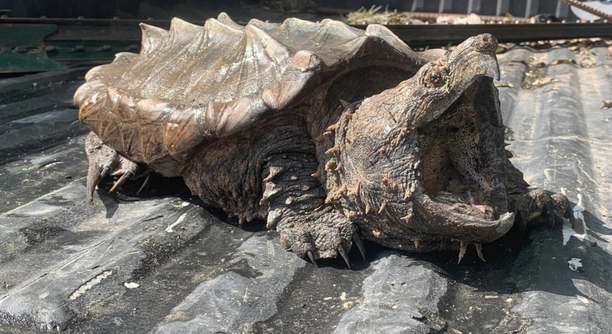
Alligator snapping turtles are fascinating creatures, and keeping them healthy requires a balanced diet. Providing the right nutrition is essential for their growth and well-being. Understanding their dietary needs can help ensure they thrive in your care.
To feed an alligator snapping turtle a balanced diet, you must offer a variety of foods such as fish, shrimp, vegetables, and specially formulated pellets. A mix of protein and vegetables will support their growth and overall health.
Proper diet plays a critical role in the turtle’s energy levels and immune system. Ensuring a well-rounded, nutritious meal plan will keep your alligator snapping turtle active and happy.
Importance of Protein in an Alligator Snapping Turtle’s Diet
Protein is a crucial part of an alligator snapping turtle’s diet. In the wild, these turtles are natural carnivores, feeding on fish, amphibians, and small invertebrates. This diet provides them with the essential nutrients needed for their growth and energy. A balanced amount of protein ensures their shell and bone health while also promoting muscle development. Without enough protein, the turtle may become weak, lose its appetite, or experience stunted growth. The key is to provide a variety of protein sources to meet their nutritional needs. You can offer them fish, shrimp, or even worms to keep their diet diverse.
Protein-rich foods also aid in maintaining a healthy immune system for your turtle. Over time, inadequate protein can lead to health issues, which may be difficult to reverse once they occur.
When offering protein, avoid overfeeding. Excessive protein can cause long-term health problems, including kidney stress and obesity. The balance of proteins, fats, and other nutrients is essential for their well-being, so always monitor the intake.
The Role of Vegetables
Vegetables play an important role in the diet of an alligator snapping turtle. While they are primarily carnivorous, a small portion of their diet should include vegetables for added vitamins and minerals.
Vegetables like leafy greens, carrots, and squash can help keep your turtle’s digestive system functioning properly and ensure they receive necessary nutrients. The key is to offer these foods in moderation.
A mix of vegetables provides fiber, which supports healthy digestion, while also offering vitamins such as A and C. These vitamins help in boosting their immune system and keeping their skin and shells healthy. Avoid offering starchy vegetables like potatoes, as they can upset their digestion.
The Importance of Calcium for Healthy Shell Development
Calcium is essential for maintaining a strong and healthy shell. An alligator snapping turtle needs calcium for proper shell growth and bone strength. Without enough calcium, the turtle’s shell can become soft or deformed.
To provide sufficient calcium, you can offer calcium-rich foods like cuttlebone, which can be easily added to their diet. You can also sprinkle calcium powder on their food. This helps maintain a proper calcium-to-phosphorus ratio, which is necessary for shell health. Be cautious, as too much calcium can lead to imbalances and other issues like kidney problems.
A well-balanced diet that includes calcium ensures that the turtle’s shell remains hard and durable, protecting it from external damage. Additionally, calcium plays a role in muscle function and overall skeletal health, supporting the turtle’s ability to move and hunt effectively.
Hydration Matters
Hydration is just as important as nutrition. Alligator snapping turtles need to stay hydrated for proper digestion and overall health. You should provide clean, fresh water at all times for drinking and soaking.
Turtles also absorb moisture through their skin, so it’s vital to keep their habitat moist. A water source for soaking should be deep enough for them to submerge their entire body, but not too deep to cause stress. Dehydration can lead to various health problems, including shedding issues, lethargy, and poor appetite.
Monitoring water quality is crucial. Dirty or stagnant water can harbor harmful bacteria that lead to infections. Regular water changes, combined with proper filtration, are essential for maintaining a healthy environment. Always ensure that the water temperature remains within the optimal range to avoid stress.
The Role of Vitamin D3
Vitamin D3 helps alligator snapping turtles absorb calcium effectively. Without adequate vitamin D3, they cannot utilize the calcium in their diet, leading to weak shells and bone issues.
This vitamin is essential for their overall health and growth. Turtles can produce vitamin D3 through exposure to UVB light, so make sure their habitat has proper lighting. Without enough UVB light, their body can’t process calcium.
Feeding Frequency
Feeding frequency plays an important role in maintaining a healthy alligator snapping turtle. Overfeeding can lead to obesity, while underfeeding can cause malnutrition.
A good rule is to feed your turtle two to three times a week, depending on its age and size. Young turtles may require more frequent feedings as they grow quickly.
Offering Variety
Variety in your turtle’s diet ensures that it receives a full range of nutrients. Too much of one food type can cause imbalances, which might affect the turtle’s health.
Make sure to mix up their meals regularly. Include a variety of proteins, vegetables, and supplements. This balance helps prevent dietary deficiencies and keeps them healthy.
FAQ
How often should I feed my alligator snapping turtle?
Alligator snapping turtles should be fed two to three times a week, depending on their age and size. Younger turtles require more frequent meals to support their rapid growth. Adult turtles can have a lighter feeding schedule. Make sure to monitor their weight and adjust the feeding frequency as necessary.
Can I feed my alligator snapping turtle fruit?
Yes, you can feed your alligator snapping turtle some fruits, but it should be offered in moderation. Fruits like apples, strawberries, and melons are okay, but they shouldn’t make up a large portion of their diet. Too much sugar can lead to digestive issues or obesity.
Is it necessary to provide UVB lighting?
UVB lighting is crucial for alligator snapping turtles. It helps them produce vitamin D3, which is necessary for calcium absorption. Without proper UVB exposure, they won’t be able to use the calcium in their food, which can lead to shell deformities and bone problems. Use a UVB bulb in their enclosure to provide the necessary light.
What should I do if my alligator snapping turtle isn’t eating?
If your alligator snapping turtle isn’t eating, first check the water quality and temperature. Stress from poor water conditions can cause a loss of appetite. Make sure the habitat is set up correctly and the temperature is optimal. If the turtle continues to refuse food, it may be sick, and you should consult a vet.
How can I tell if my alligator snapping turtle is healthy?
A healthy alligator snapping turtle will be active, have clear eyes, and a firm shell. The shell should be smooth, without soft spots or cracks. It should have a good appetite and be swimming or foraging. If you notice any changes in behavior, appearance, or eating habits, it could be a sign of a health problem.
Can alligator snapping turtles live in freshwater only?
Yes, alligator snapping turtles live in freshwater. They thrive in slow-moving rivers, lakes, and ponds. While they do need access to water, they also require land areas to bask. In captivity, their habitat should have a combination of both water for swimming and dry areas for resting and basking.
What is the best temperature for an alligator snapping turtle’s habitat?
The water temperature for an alligator snapping turtle should be kept between 72°F and 78°F (22°C to 25°C). A basking area should have a temperature of 85°F to 90°F (29°C to 32°C) to allow for proper thermoregulation. Too hot or too cold temperatures can stress the turtle and affect its health.
Should I feed my alligator snapping turtle live food?
Feeding live food is not necessary, but it can be a good option to stimulate your turtle’s natural hunting behavior. Fish, shrimp, and other live prey can be offered occasionally. However, be careful with the source of live food to avoid parasites or disease transmission. Frozen or pellet foods are often a safer alternative.
How can I make sure my alligator snapping turtle is getting enough calcium?
To ensure your alligator snapping turtle is getting enough calcium, provide calcium supplements such as cuttlebone or calcium powder. Dusting their food with calcium powder is an easy way to add it to their diet. You can also offer calcium-rich foods like fish with bones.
Is it safe to handle my alligator snapping turtle?
Alligator snapping turtles can be handled, but they should be treated with caution. They have strong jaws and may bite if they feel threatened. When handling them, use both hands to support their body, and avoid putting your fingers too close to their mouth. Always wash your hands afterward to avoid transferring bacteria from their shell.
What type of fish should I feed my alligator snapping turtle?
You can feed your alligator snapping turtle various fish, such as minnows, goldfish, or feeder fish. However, avoid feeding them goldfish regularly as they can contain parasites. It’s important to offer a variety of fish species and make sure they are gut-loaded with nutrients to enhance their value to the turtle’s diet.
Can alligator snapping turtles eat worms?
Yes, alligator snapping turtles can eat worms, such as earthworms or mealworms. Worms are a great source of protein and can be offered as a treat or part of a balanced diet. Be sure to offer fresh, pesticide-free worms to avoid harmful chemicals.
What kind of vegetables can I feed my alligator snapping turtle?
Alligator snapping turtles can eat a variety of vegetables. Offer leafy greens like kale, collard greens, and dandelion leaves. You can also provide squash, carrots, and bell peppers. Be sure to chop vegetables into small, manageable pieces to prevent choking. Avoid offering too much starchy vegetables like potatoes.
How do I keep my alligator snapping turtle’s habitat clean?
To keep the habitat clean, change the water regularly and use a high-quality filter. You should also spot-clean any waste or uneaten food daily. Performing a full tank cleaning every few weeks will help maintain a healthy environment. Regular maintenance ensures the turtle’s water is free from harmful bacteria and chemicals.
Can alligator snapping turtles eat pellets?
Yes, alligator snapping turtles can eat specially formulated turtle pellets. These pellets are designed to provide the necessary nutrients like protein, vitamins, and minerals. They should be used as part of a varied diet that also includes fresh foods such as fish, vegetables, and occasional treats.
Final Thoughts
Feeding an alligator snapping turtle a balanced diet is essential for their overall health and well-being. These turtles require a mix of protein, vegetables, calcium, and hydration to thrive. Understanding the right foods to offer and the correct frequency for feeding will help prevent health problems and ensure they stay active and strong. It’s important to remember that variety is key, and providing different types of food will give your turtle the nutrition it needs.
Proper care also extends beyond just feeding. Maintaining a clean habitat, ensuring proper lighting, and monitoring their water conditions are vital for their health. Alligator snapping turtles require access to UVB light for vitamin D3 production, which helps with calcium absorption. Without it, their shells and bones can become weak, leading to serious health issues. Keeping their environment clean and providing them with the correct temperature range will also help prevent stress and illness.
With the right care, your alligator snapping turtle will grow strong and healthy. Whether you are feeding them fish, shrimp, vegetables, or using supplements, balance is the most important aspect. Always watch for signs of illness or changes in behavior and consult a vet if needed. As long as you follow these guidelines and provide a varied and nutritious diet, your turtle will have a long, healthy life in your care. Taking the time to properly care for them will ensure they live comfortably and happily for many years.

Hello,
If you enjoy the content that we create, please consider saying a "Thank You!" by leaving a tip.
Every little bit helps us continue crafting quality advice that supports the health, happiness, and well-being of pets around the world, for pets of all shapes, sizes, and species.
We really appreciate the kindness and support that you show us!