
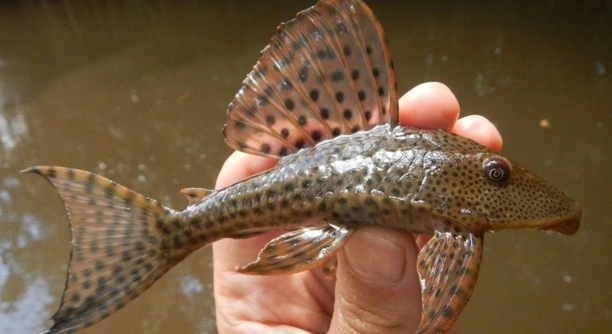
Is your plecostomus spending most of its time hiding behind tank decorations, barely showing interest in food or its surroundings?
Feeding a timid plecostomus requires patience, consistency, and the right food placement. Offering sinking foods during low-light hours and reducing tank disturbances can help encourage healthy eating behavior while also lowering the fish’s stress levels.
By learning a few simple techniques, you can make feeding time easier and less stressful for your plecostomus.
Choose the Right Feeding Time
Plecostomus are nocturnal, which means they are naturally more active during the night. If your pleco hides during the day, it may not notice food when it’s added to the tank. Try feeding after lights go out or just before dusk. This aligns with their natural feeding habits and makes them feel more comfortable venturing out. Sinking wafers, algae tablets, and soft vegetables like zucchini should be placed near the spots they usually hide. Avoid sudden tank movements or tapping, which can startle them. Allowing the tank to remain calm during this time helps create a secure feeding environment.
Feeding in the evening can encourage your pleco to eat more consistently and confidently.
Once your plecostomus realizes food arrives regularly in a low-stress setting, it will begin to associate that time with safety. Over time, it may start appearing earlier or even come out when it hears you approach the tank.
Keep the Tank Calm and Safe
A peaceful environment helps shy plecos feel safer and more willing to explore during feeding.
Noise and movement outside the tank can make timid plecostomus hide for longer. Position the tank in a quiet area away from high traffic zones. Try to keep tank mates peaceful and slow-moving to avoid stress or food competition. If possible, use floating plants or shaded areas to reduce bright light, which makes plecos feel exposed. A stable routine, from feeding times to lighting schedules, adds another layer of comfort. Sudden changes in the tank—like rearranging decorations or frequent water changes—can interrupt their eating habits. Use dim lighting during feeding to reduce pressure, and try to maintain consistent conditions. Some timid plecos need weeks before showing visible interest in food. Don’t panic. Offer food at the same time every day and remove any uneaten pieces after a few hours to keep the water clean. Patience, repetition, and a calm tank go a long way.
Offer the Right Foods
Timid plecostomus may ignore unfamiliar or unsuitable foods, especially in a busy tank. Stick to soft vegetables, sinking wafers, and algae tablets. These are easy for them to find and digest, even when hiding.
Start by blanching vegetables like zucchini, cucumber, or spinach and placing them near hiding spots. Plecos nibble slowly, so leave the food in for a few hours before removing it. Sinking algae wafers are great because they settle quickly and don’t float away. Make sure no other fish are eating their food before they get a chance. Feeding after lights go off also helps reduce competition. Plecos tend to come out when it’s quiet, and seeing food available during this time helps build a predictable habit. Avoid overfeeding, especially in smaller tanks, to prevent water issues that may further stress them.
Use variety in their diet to support nutrition and interest. Offer new foods gradually.
Timid plecos often ignore food simply because they don’t recognize it as edible. Adding one new item at a time allows them to get used to it without stress. If they show no interest at first, leave the food overnight. Some plecos prefer to eat when no one is watching. Use clips to secure veggies so they don’t drift away. You can even try soaking algae wafers in tank water before placing them near a hiding area. Avoid feeding during high-activity times, especially with faster tank mates nearby. Their eating window might be short, so help them find food easily. As they grow comfortable, they’ll become more responsive to feeding.
Add More Hiding Spots
When plecostomus feel exposed, they won’t eat well. Add more caves, tunnels, or driftwood to make them feel protected while feeding.
Use rock caves, coconut huts, PVC pipes, or aquarium-safe logs to create hiding areas. These spots should feel tight and dark, just the way plecos like them. Position some shelters near the tank’s base, where food usually settles. If they feel safe, they’ll begin to eat inside or just outside their hiding spots. Spread hiding spots around the tank so they have options and can avoid other fish. The more cover they have, the more confident they become. Try placing food close to their favorite shelter. Plecos will often wait nearby until it feels safe enough to feed. Rearranging decor occasionally may help keep the environment stimulating, but do it gradually so they don’t feel unsettled. Keep the area around their shelters quiet and low in activity to support relaxed feeding behavior.
Limit Tank Mates
Too many fast or aggressive fish can make a timid plecostomus feel unsafe. Choose calm, slow-moving tank mates that won’t compete for food. This gives your pleco more chances to eat without being chased or interrupted.
Avoid keeping them with fish that nip or dig. These behaviors can disturb your pleco’s feeding space and cause more hiding. Peaceful community fish like tetras or rasboras work better and won’t stress them during meals.
Monitor Feeding Habits
Watch closely to see if your plecostomus is eating. Uneaten food, weight loss, or constant hiding may mean it’s not getting enough. If you rarely see it eat, try feeding when the room is dark and quiet. Track which foods get eaten and how quickly. This helps you understand what works best. Note how long it takes for food to disappear and if tank mates are interfering. If needed, remove others during feeding to give your pleco private time. Keep an eye on waste buildup to avoid poor water quality. Regular checks will help you make small changes that improve feeding.
Be Patient
Some plecos take weeks to settle in and feel safe enough to eat around others. Keep routines steady, and let them set their own pace.
FAQ
Why is my plecostomus not eating?
A plecostomus may refuse food for several reasons, especially if it’s stressed or feels threatened. It could be adjusting to a new environment or hiding from aggressive tank mates. Make sure there are enough hiding spots and try feeding at night when the tank is quieter. Additionally, check the water conditions. Poor water quality can cause plecos to lose their appetite, so perform regular water changes and maintain the right temperature and pH levels.
How often should I feed my plecostomus?
Plecostomus are not daily feeders like some fish. Depending on their size and the tank conditions, feeding every other day or every third day is sufficient. Overfeeding can lead to poor water quality, which might make your pleco even more timid. Provide small amounts of food and remove any uneaten portions after a few hours to prevent it from decomposing in the tank.
Can I feed my plecostomus vegetables?
Yes, plecos love vegetables like zucchini, cucumber, spinach, and sweet potato. Blanch the vegetables first to soften them and make them easier to eat. Secure them with a clip or weigh them down to keep them from floating away. Providing fresh veggies adds variety and important nutrients to their diet, helping to keep them healthy and engaged.
Why is my plecostomus hiding all the time?
Plecostomus are naturally shy, especially in new environments or when they feel stressed. They prefer to stay hidden in dark, quiet spaces to feel safe. Make sure your tank has plenty of caves, rocks, and plants for your pleco to hide in. Avoid disturbing them too much during the day, as this can make them more reluctant to come out and feed.
How do I encourage my plecostomus to eat algae wafers?
To get your pleco to eat algae wafers, try placing them near their hiding spots or in areas they frequent. If they’re not interested at first, give them time to adjust. Wafers can be placed in low-light areas where your pleco feels more comfortable. If necessary, soften the wafers by soaking them in tank water before dropping them in the tank.
Is my plecostomus too young to eat algae wafers?
Young plecos can eat algae wafers, but they might prefer smaller food items that are easier to consume. For younger plecos, break up the wafers into smaller pieces or provide softer foods like finely grated vegetables or specially formulated baby pleco food. Gradually introduce the wafers as they grow and become more accustomed to the food.
Can plecostomus eat pellets instead of wafers?
Yes, plecos can eat pellets as an alternative to algae wafers, but make sure to choose sinking pellets designed for bottom feeders. Avoid surface pellets, as they may not sink quickly enough for your pleco to access. Ensure that the pellets are small enough for them to eat comfortably. Like with algae wafers, remove any uneaten pellets after a few hours to avoid polluting the water.
Do plecostomus need a specific water temperature?
Yes, plecos are tropical fish and require a water temperature between 75°F and 80°F (24°C to 27°C). Water that’s too cold can slow down their metabolism and make them less likely to feed or be active. Use an aquarium heater to maintain a stable temperature and monitor it regularly to ensure it stays within the ideal range.
How can I tell if my plecostomus is stressed?
Signs of stress in plecostomus can include hiding more than usual, refusing to eat, rapid gill movement, or swimming erratically. Stress can be caused by aggressive tank mates, poor water quality, or drastic changes in the tank environment. Keep the tank quiet, maintain consistent water parameters, and avoid overcrowding to help reduce stress.
Why does my plecostomus suck on the glass?
Sucking on the glass is natural behavior for a plecostomus. They use their sucker-like mouth to graze on algae and biofilm. However, if you see this behavior more frequently, it could indicate that there isn’t enough algae or natural food sources in the tank. Ensure a balanced diet with algae wafers and vegetables to keep your pleco well-fed.
Can I keep multiple plecostomus in the same tank?
It is possible to keep multiple plecos in the same tank, but be careful of territorial behavior, especially in smaller tanks. Larger plecos can become aggressive toward each other, especially if there isn’t enough hiding space or resources. It’s best to keep plecos in tanks of at least 75 gallons if you plan to have more than one. Make sure there are plenty of hiding spots and avoid overstocking to reduce aggression.
Are plecostomus good for a community tank?
Plecostomus can make great additions to a peaceful community tank, but their temperament depends on the species. Smaller plecos are generally more docile and can live well with other calm fish, while larger species can become territorial. Always monitor tank interactions to ensure no fish are being bullied or stressed. Providing ample hiding spots and considering the size of tank mates can help reduce conflicts.
Final Thoughts
Taking care of a timid plecostomus requires patience and attention. These fish are naturally shy and will often hide, especially in a new environment. It’s important to create a peaceful, stress-free setting with plenty of hiding spots, so your pleco feels secure enough to come out and feed. By monitoring tank mates and keeping the water quality in check, you can reduce stress and help your pleco adjust more easily.
Feeding habits play a key role in ensuring your plecostomus stays healthy. Providing a balanced diet of algae, vegetables, and specially formulated foods is essential. Try offering food during quiet hours when the tank is calm, and avoid overcrowding to prevent competition for food. If your pleco refuses to eat, check for any issues in the environment, such as poor water quality or aggressive tank mates, which could be affecting its appetite. Over time, a healthy feeding routine will encourage your pleco to feel more comfortable in its space.
Finally, remember that plecostomus are nocturnal by nature, meaning they will likely be more active after the lights are out. This is normal behavior, so don’t worry if your pleco hides during the day and only becomes active at night. With time and consistent care, your pleco will grow more accustomed to its surroundings and become more confident. As long as you provide a safe, clean environment with plenty of food, your timid plecostomus will thrive.

Hello,
If you enjoy the content that we create, please consider saying a "Thank You!" by leaving a tip.
Every little bit helps us continue crafting quality advice that supports the health, happiness, and well-being of pets around the world, for pets of all shapes, sizes, and species.
We really appreciate the kindness and support that you show us!